
What to Do on the Atlantic Coast of Martinique? From Le Robert to Le Vauclin
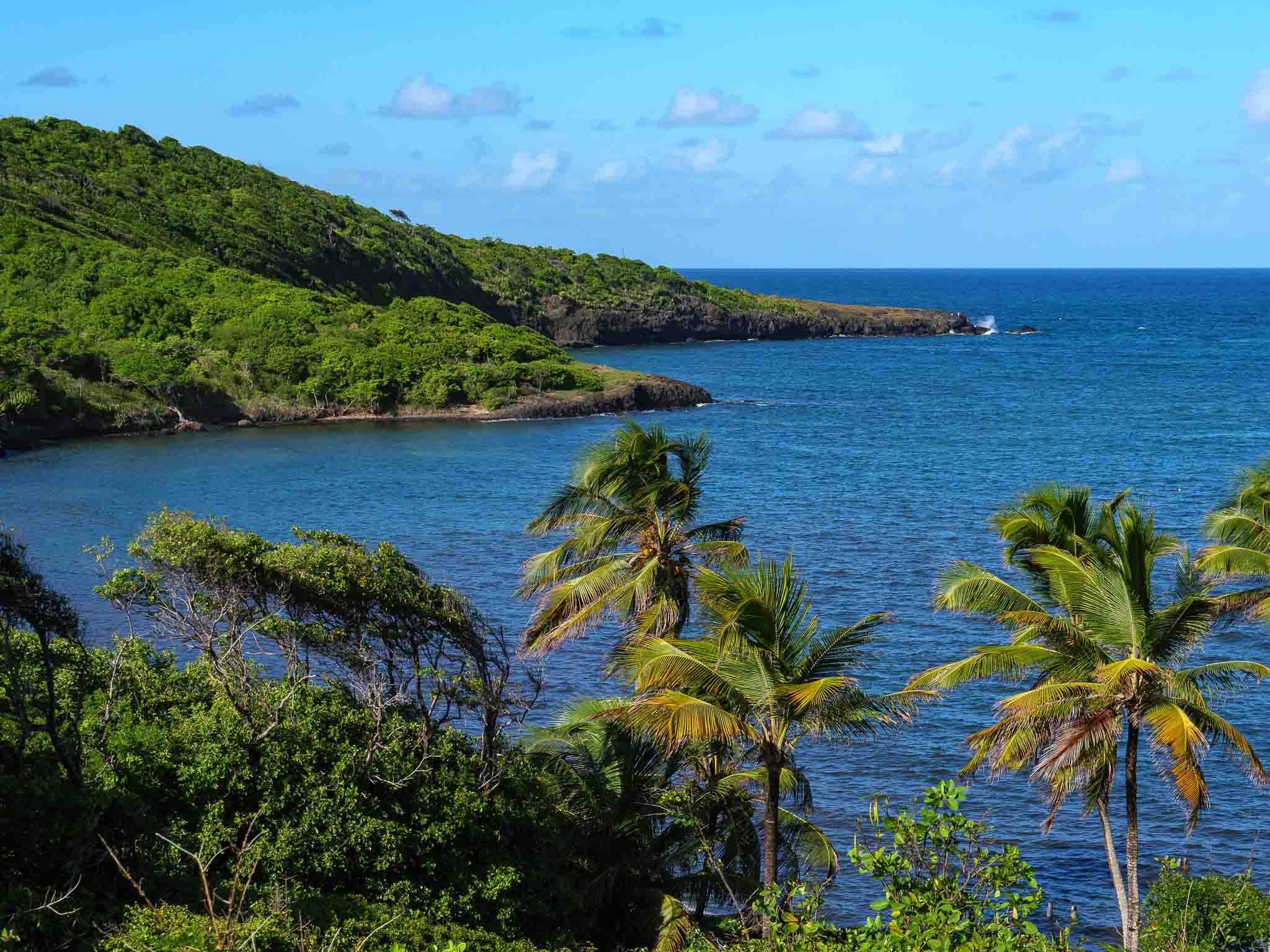
Welcome to the wild Atlantic Coast of Martinique! This is a stunning coastline that we explore very regularly over time. Nevertheless, we still haven’t covered every single hidden corner of it!
In our eyes, this coast stands out as the wildest and most contrasting region of the entire island. It offers spectacular landscapes alongside an immense variety of outdoor activities. Between turquoise islets, mysterious mangrove channels, and world-class hiking trails, memorable discoveries are never lacking here.
An Authentic Coast to Discover (Sargassum Reality Check)
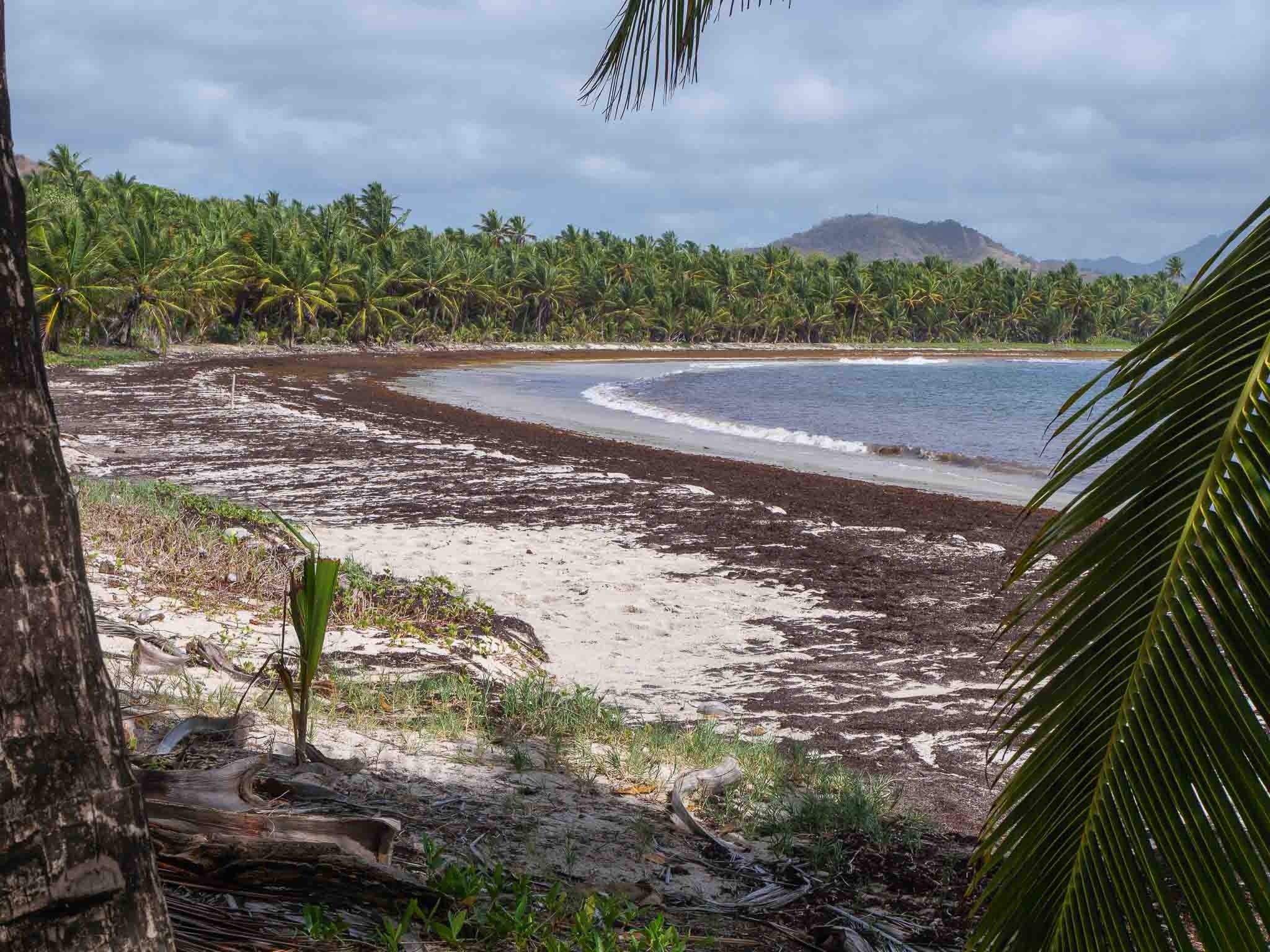
Let’s be completely honest with you. This specific side of the island periodically suffers from wash-ups of sargassum seaweed. For this exact reason, we sometimes tend to head here slightly less often. However, sargassum or not, this region is overflowing with magnificent gems just waiting to be explored.
We truly invite you to look past this natural phenomenon. Head out to meet this vibrant, deeply authentic side of Martinique!
Our Tips for Planning Your Island Itinerary
This region serves as a ideal stopover if you plan to visit the Caravelle Peninsula up north. Furthermore, it creates a seamless transition to continue your journey down to the southern beaches of Sainte-Anne. Ready to explore the coastline from Le Robert all the way to the coves of Le Vauclin and Macabou? Follow our step-by-step guide!
To plan your entire trip across the island, check out our complete destination guide to visiting Martinique.
In this guide
Practical Information & Logistics for Your Atlantic Coast Visit
Le Robert: Turquoise Islets and Endemic Iguanas
Le François: Art, Heritage, and Exceptional Rum at Habitation Clément
Le Vauclin: Wild Mangroves, Panoramic Views, and Turquoise Lagoons
The Wild Macabou Coast: Coastal Hiking and the Heart of Grosse Roche
Where to Stay on the Atlantic Coast of Martinique?
Frequently Asked Questions: Visiting Martinique’s Atlantic Coast
Practical Information & Logistics for Your Atlantic Coast Visit
To help you effortlessly organize your getaway along Martinique’s Atlantic Coast, we have gathered all the useful booking links right in this section.
Disclosure: Some links in this article are affiliate links. By booking through our links, you support our blog at no extra cost to you. Thank you for your support!
Compare flight deals and book on Kayak.com.
Compare car rental rates on DiscoverCars.
Find your hotel in the Le Robert area by checking our recommendations.
Book your tours and activities on GetYourGuide.
How to Get to Martinique
From mainland North America, direct flights to Aimé Césaire International Airport (FDF) operate regularly from major hubs such as Miami (MIA), Montreal (YUL), and Toronto (YYZ). European travelers can fly directly from Paris (Orly/CDG) via Air France, Air Caraïbes, or Corsair (~8.5 hours flight time).
To secure your flight tickets at the absolute best rate, we strongly advise comparing options early on Kayak.
How to Reach the Atlantic Coast from Aimé Césaire Airport
Aimé Césaire International Airport is located in the municipality of Le Lamentin. It occupies an ideal strategic position right in the center of the island.
Car Rental: An Absolute Prerequisite: To explore the Atlantic Coast peacefully, renting a vehicle is mandatory. Public transportation does not sufficiently serve hiking trailheads or isolated coastal sites. Remember to reserve your car well in advance, especially during peak season.
Routes and Drive Times from the Airport: Upon exiting the terminal, accessing the Atlantic Coast towns is direct and well-signposted:
To reach Le Robert (North Atlantic Coast): Take the RN1 highway toward La Trinité / Le Robert. The drive takes about 15 to 20 minutes (~9 miles / 15 km).
To reach Le François (Central Atlantic): Take the RN6 highway from Le Lamentin toward Le François. Count on a 15 to 20-minute drive (~11 miles / 18 km).
To reach Le Vauclin & Macabou (South Atlantic): Continue on the RN6 past Le François until you reach Le Vauclin. The total drive time is approximately 30 to 35 minutes (~17 miles / 28 km).
Local Resident Tip: Watch Out for Rush Hour
The airport sits right at the main traffic bottleneck of the island. If you collect your rental car between 4:30 PM and 6:30 PM on weekdays, exercise patience. Heavy traffic jams frequently form on the RN1 and RN6 exiting the commercial zones of Le Lamentin.
If your flight lands in the late afternoon, spare yourself the stress! Take advantage of the time to do your initial grocery shopping at the shopping centers near the airport before hitting the road to your accommodation.
Where to Rent Your Car at the Best Price?
To explore the Atlantic Coast and its secluded treasures, a car is indispensable. We strongly recommend booking through DiscoverCars.
Why Use DiscoverCars in Martinique?
- Comprehensive Choice: It compares local agencies and international brands in real-time.
- Best Rates: You avoid unpleasant surprises and secure competitive pricing.
- Flexible Cancellation: Most bookings offer free cancellation up to 48 hours before pickup.
- Total Transparency: No hidden fees when collecting your keys at Aimé Césaire Airport.
Our Tip: Book several months in advance, particularly if traveling between December and May.
How Much Time Should You Spend Exploring the Atlantic Coast?
The ideal duration depends entirely on your overall travel pace and favorite activities.
On a map, driving distances appear quite short. However, winding coastal roads and tropical temperatures slow down travel. Here are three recommended timeframes:
Option 1 | A Single Day Excursion: If your trip is short, dedicate at least one full day to this area to explore Îlet Chancel in Le Robert and tour Habitation Clément.
Option 2 | 2 Full Days: This is the ideal duration to explore from Le Robert down to Le Vauclin without rushing. Consequently, you can smoothly alternate between beach relaxation, hiking, and cultural visits.
Local Resident Advice: Adapt your day to the weather! On the windward Atlantic coast, weather can change quickly. Always prioritize outdoor hikes early in the morning to avoid intense heat and afternoon tropical showers.
What to Do on the Atlantic Coast of Martinique? Our North-to-South Itinerary
To help you structure your trip, we have arranged this itinerary following a natural geographic progression from North to South.
We will start at the bay of Le Robert and work our way down to the wild coves of Macabou. This logical route avoids unnecessary back-and-forth driving.
How to Organize Your Lodging for This Route? Depending on your travel style, two main options are available:
Option 1 — Road Trip Style (Switching Accommodations): You can book one night in Le Robert or Le François, then a second night in Le Vauclin. This is ideal for a step-by-step immersive trip.
Option 2 — Central Base Camp (Star Itinerary): Distances remain reasonable. You can unpack your bags in a central accommodation (in Le François or Le Vauclin) and radiate out to the north and south each day.
Le Robert: Turquoise Islets and Endemic Iguanas
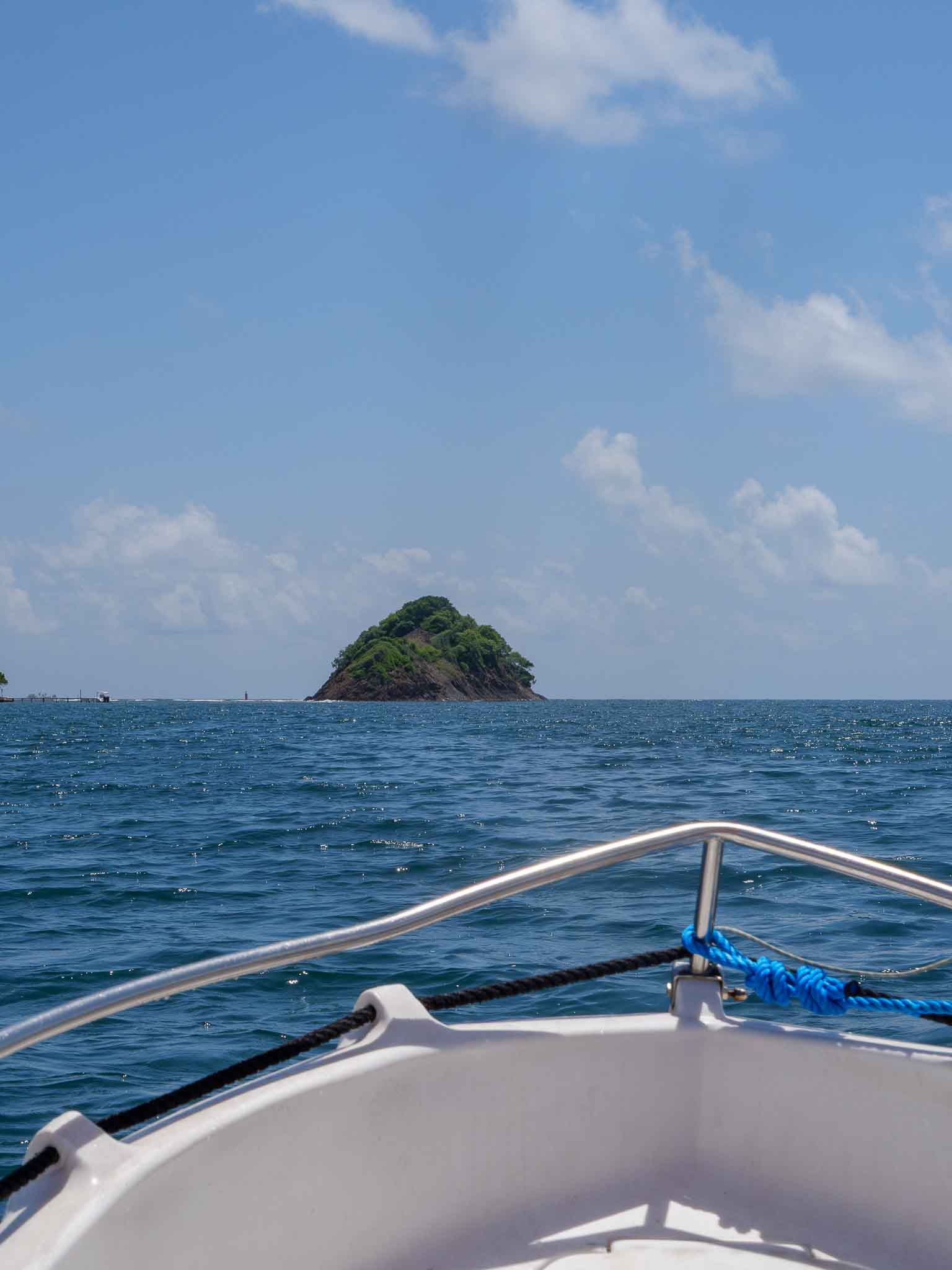
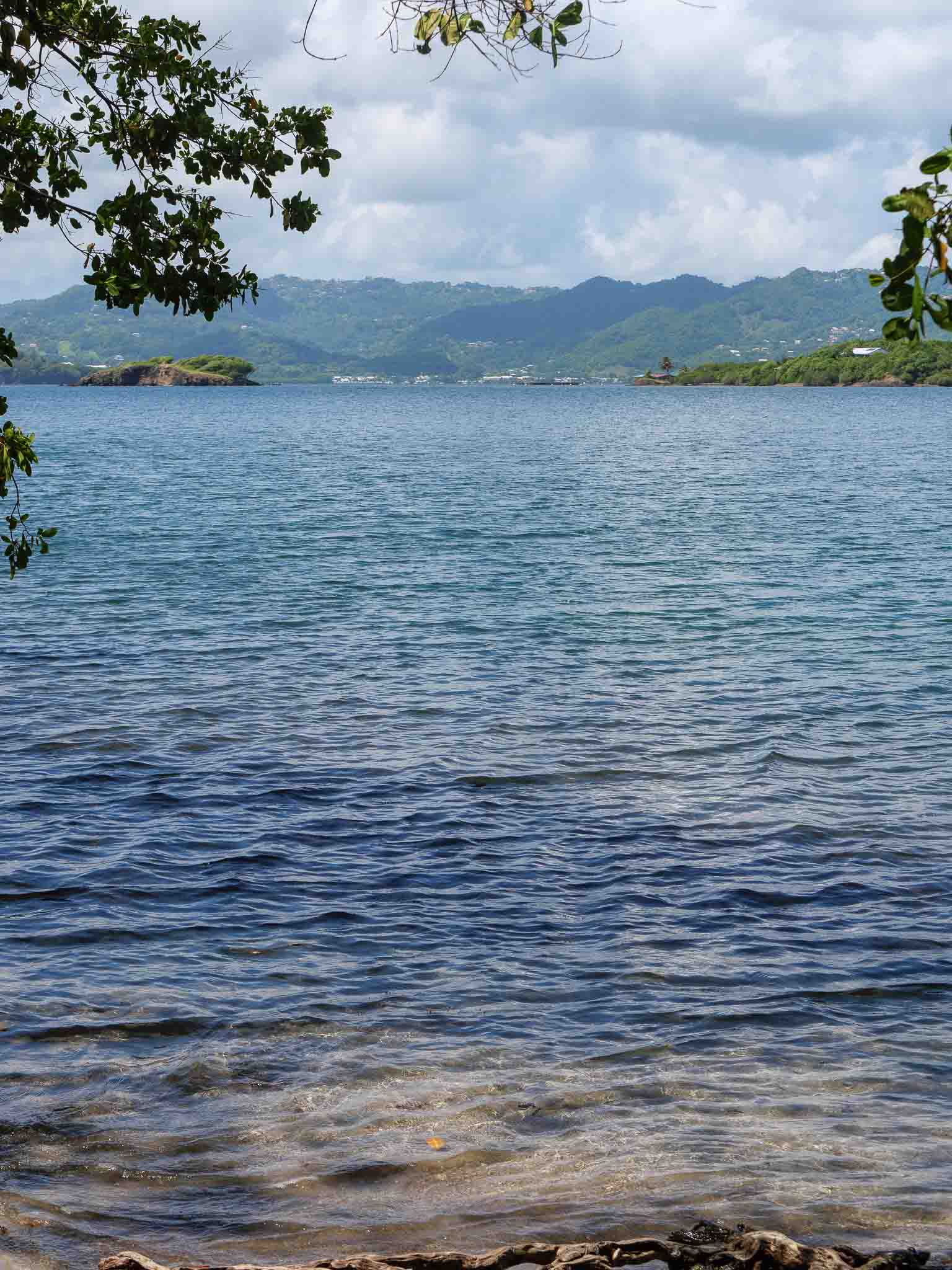
Îlet Chancel is the largest islet in the bay of Le Robert. It is a deeply fascinating stop to integrate into your day out on the water.
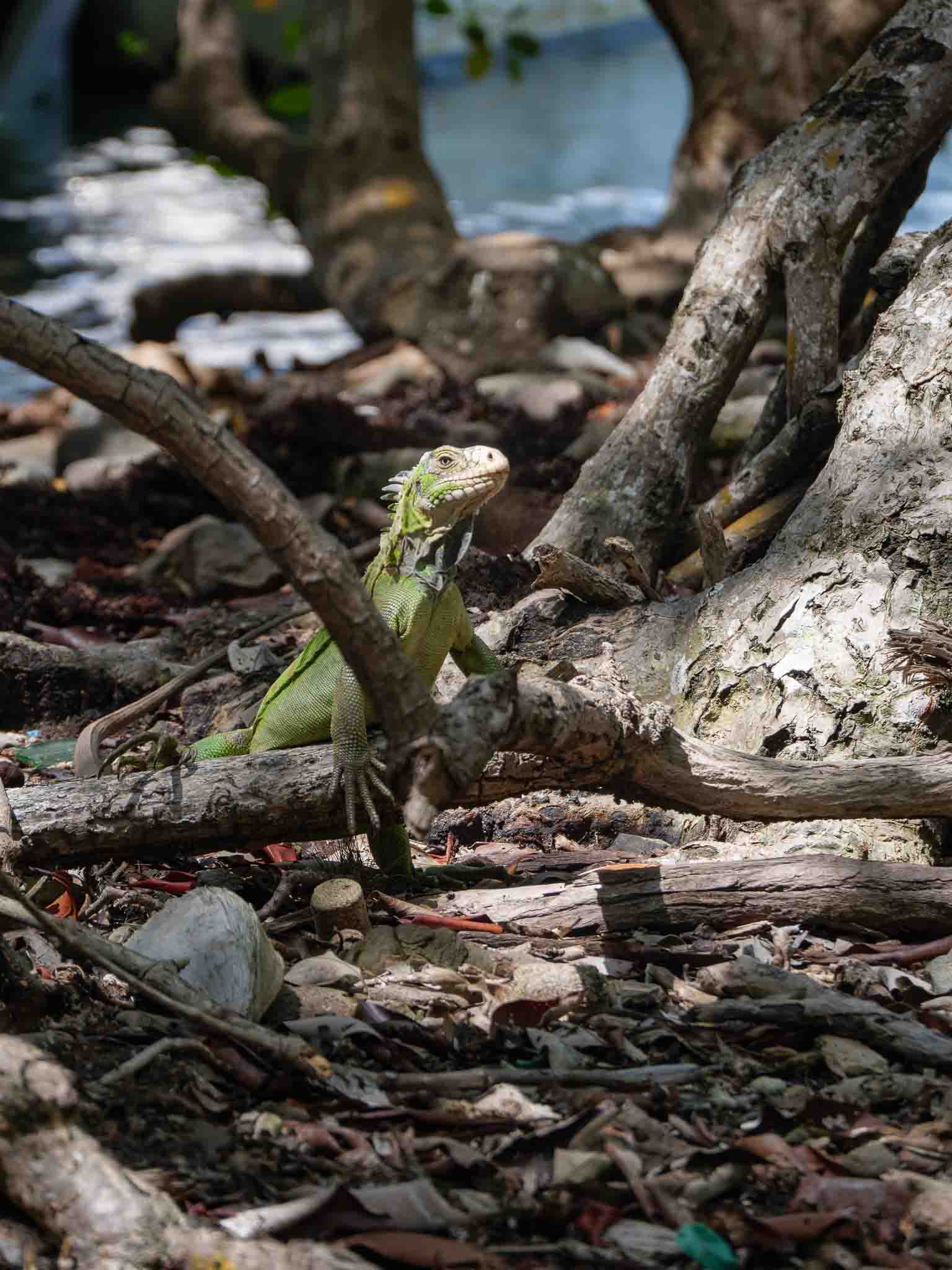
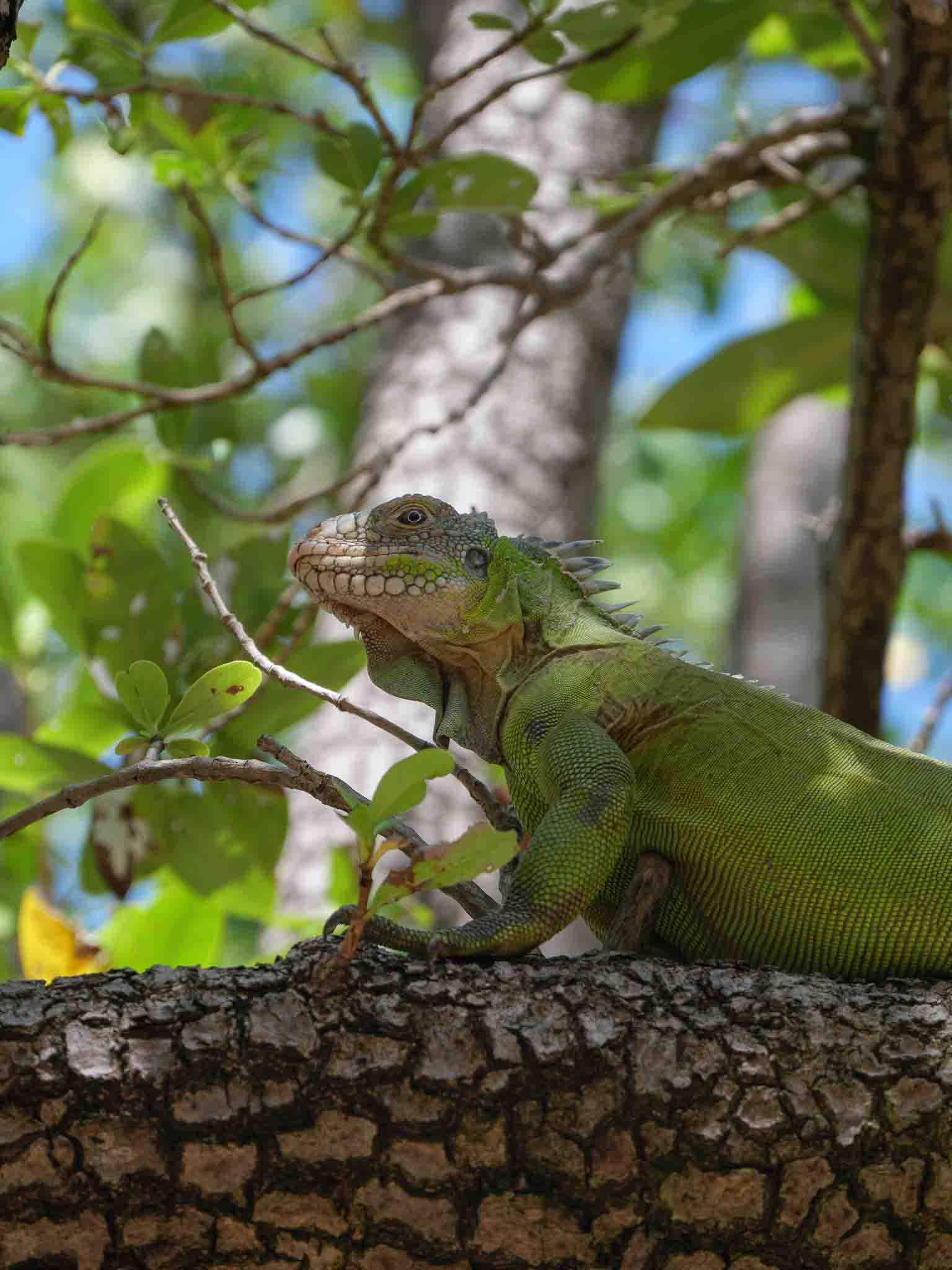
This protected natural site charms nature enthusiasts and history lovers alike. Indeed, the islet shelters the very last remaining colony of the Lesser Antillean Iguana (Iguana delicatissima, locally called iguane péyi). This endemic species is strictly protected by law. You will easily spot them lounging in the trees or among the branches of manchineel trees.
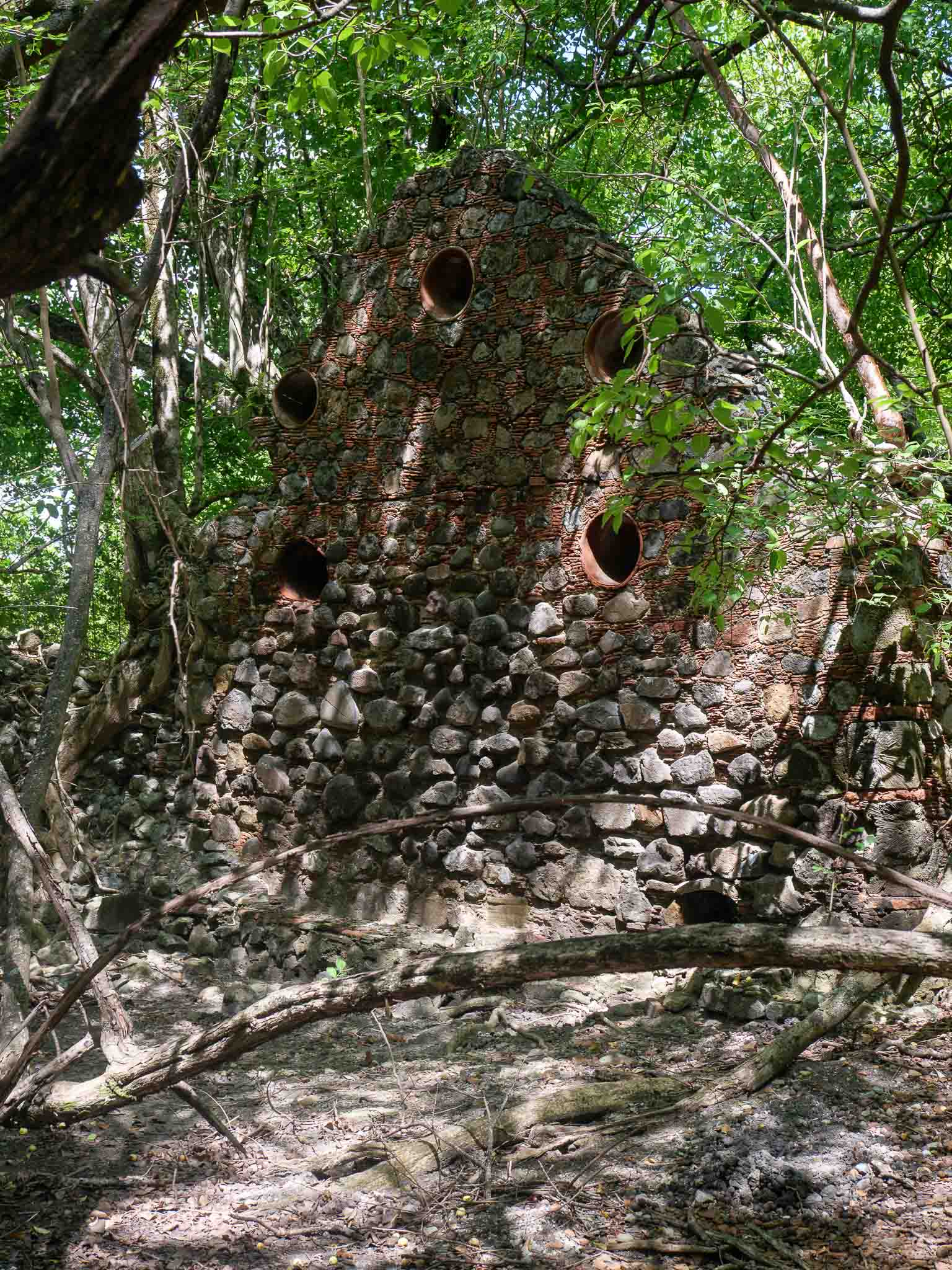
Furthermore, Îlet Chancel houses the historic ruins of an 18th-century sugar plantation. A marked educational trail leads visitors through the woods to discover the remains of the old sugar refinery, dungeons, and brickworks.
Most boat tours also include a stop at Îlet Madame. This tiny islet delivers a picture-perfect tropical backdrop:
An Idylic White Sand Beach: Its small wooden pier and powdery sand invite immediate relaxation.
Translucent Shallow Waters (Fonds Blancs): The water is extraordinarily clear and shallow. It is an ideal spot to pop on your snorkel mask and admire small tropical fish.
Great Picnic Amenities: Shaded wooden gazebos (carbets) are set up beneath the trees, making it a dream spot for a picnic sheltered from the sun.
Exploring the Islets with Freedom: License-Free Boats or Kayaks
To fully enjoy your day out on the bay, several great options exist:
- Renting a License-Free Motorboat with Ti Canots: This is an experience we tested and approved 100%! It is ideal for organizing your half-day or full-day excursion at your own pace. Handling the small boat is very simple and quick. Pack your picnic lunch for the day and set sail across the calm bay.
Kayaking for the Adventurous: For active travelers, crossing the bay by kayak offers a wonderful alternative. You will glide right over shallow seagrass beds while getting a great workout. Book your kayak experience via Get Your Guide.
Where to Eat in Pointe Savane? Our 2 Favorite Addresses!
After a day out at sea, Pointe Savane offers an enchanting waterfront setting for lunch or dinner:
Lili au Lagon: The absolute must-visit restaurant in this area. It serves refined cuisine featuring fresh local products right on the sand facing the lagoon. The atmosphere is wonderful for both lunch and dinner.
Chez Nonna: Located along the main access road, this excellent Italian restaurant represents a delicious alternative loved by local residents. It is a fantastic choice if you crave fresh pasta or authentic Mediterranean dishes.
Le François: Art, Heritage, and Exceptional Rum at Habitation Clément
After exploring the bay of Le Robert, continue south to Le François. Here stands Habitation Clément, a true crown jewel of Martinique’s cultural heritage.
Our Favorite Estate: The Site We Have Visited the Most!
Let us be completely transparent: this is the single historical estate we have visited most frequently across the entire island. Whenever family or friends come to visit us in Martinique, we systematically bring them here! It is our mandatory stop. The estate effortlessly succeeds in captivating every single type of traveler.
Why Do We Love Habitation Clément So Much?
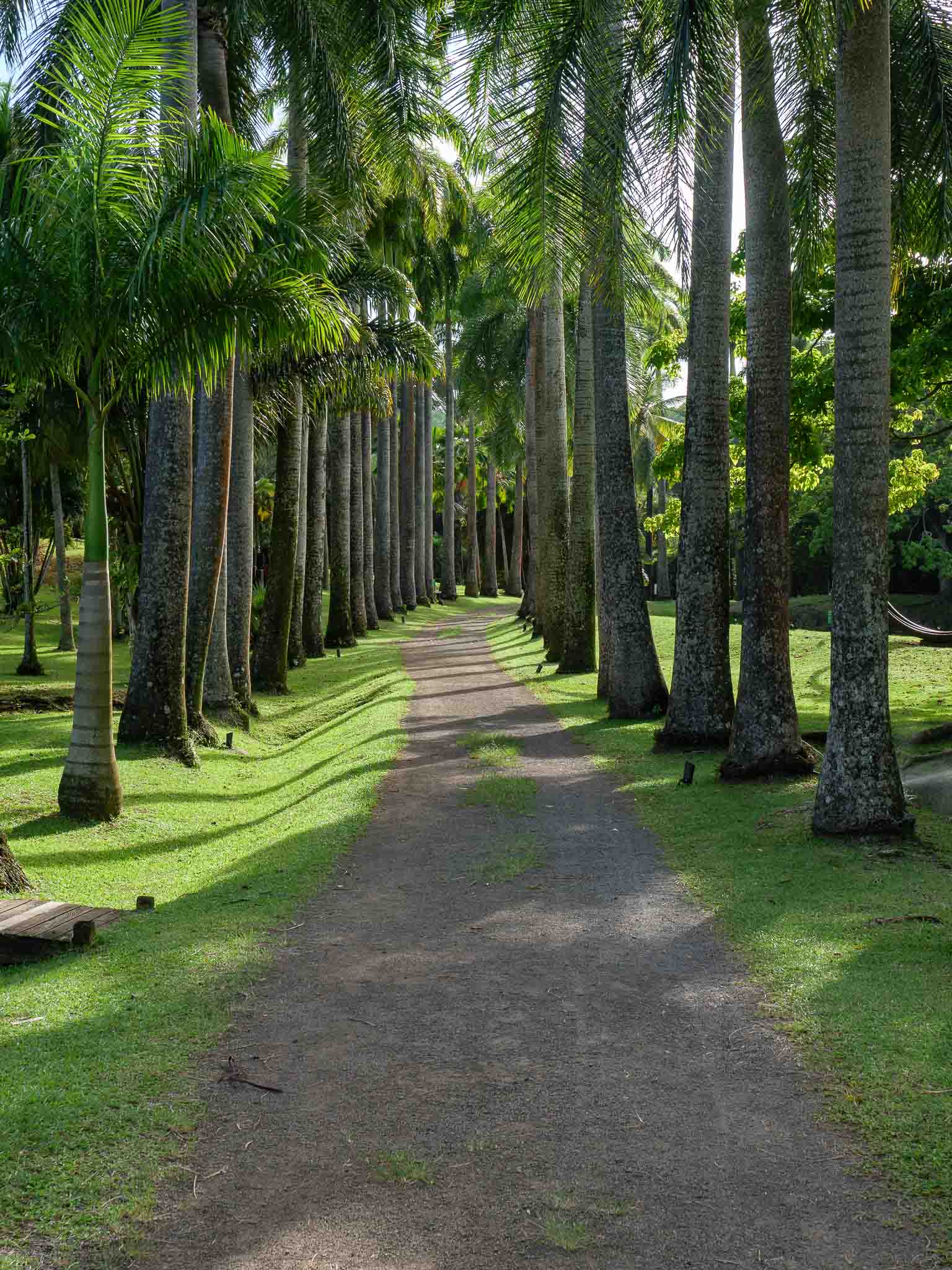
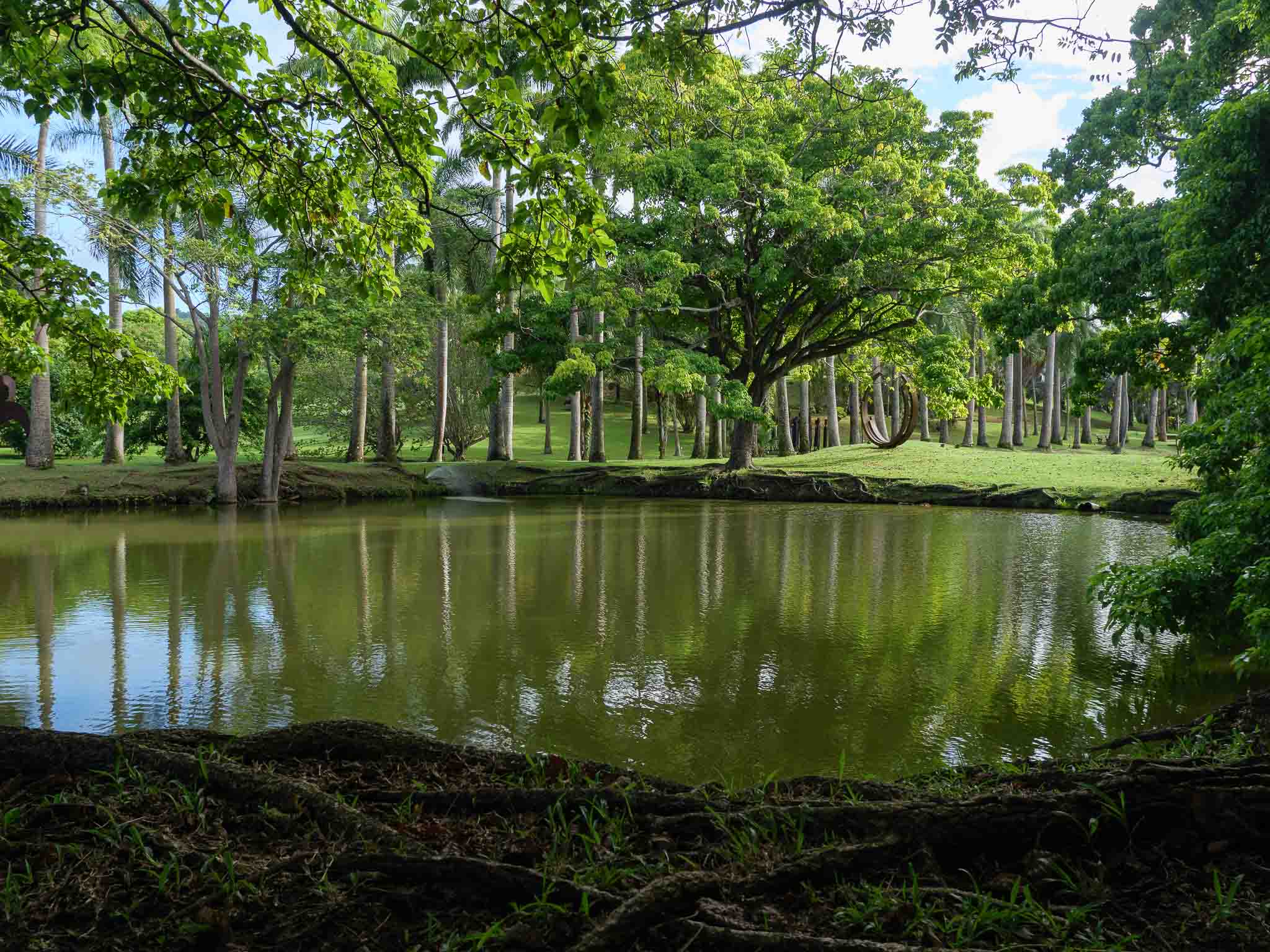
Its Immense Botanical Gardens: The 40-acre (16-hectare) park is officially classified as a “Remarkable Garden.” We love strolling among century-old trees, rare palm species, and peaceful water lily ponds. It offers a walk of absolute serenity.
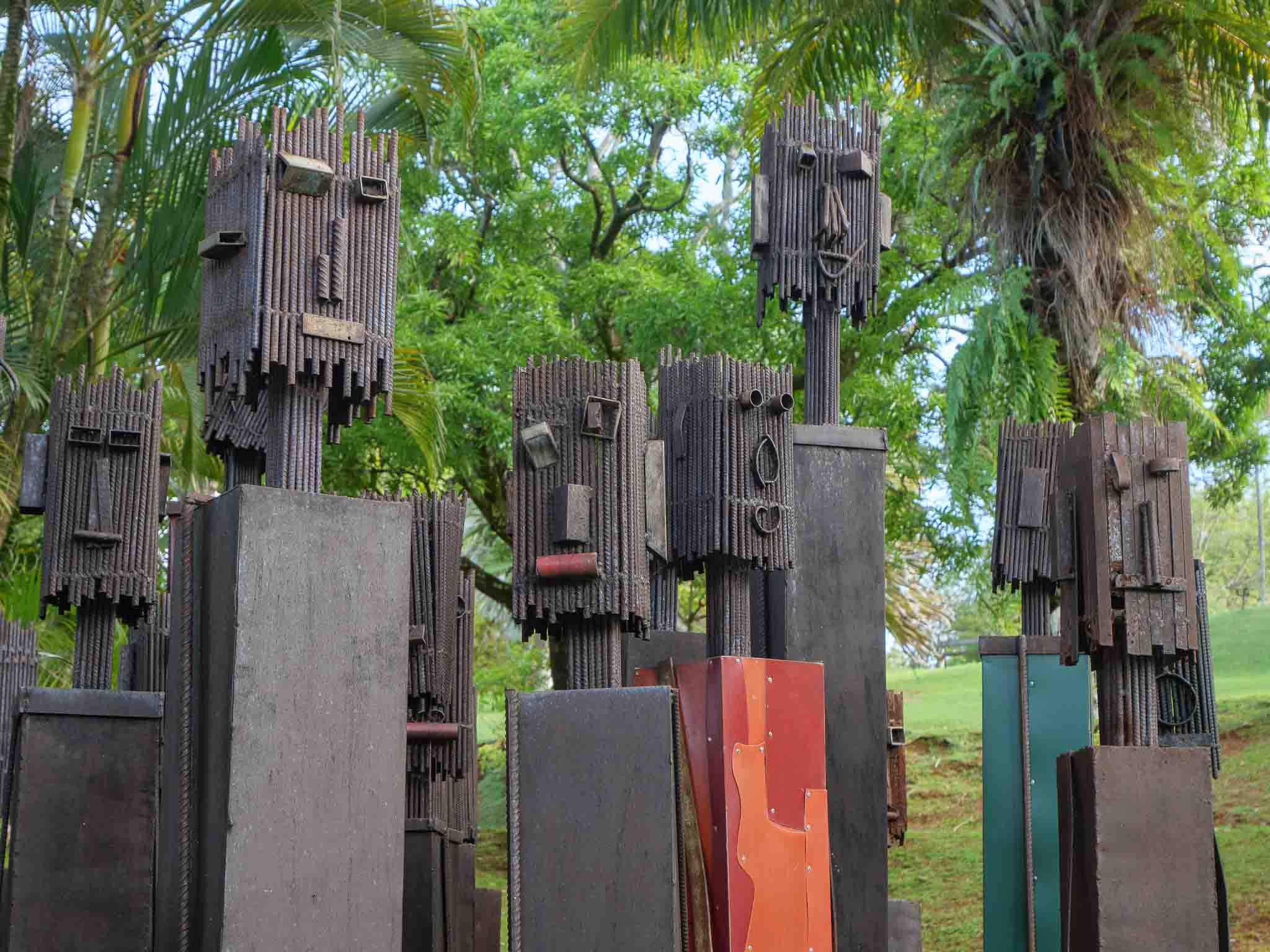
Fondation Clément & Contemporary Art: The estate houses an outstanding contemporary art foundation. Monumental sculptures line the outdoor gardens, while galleries exhibit works by Caribbean artists free of charge.
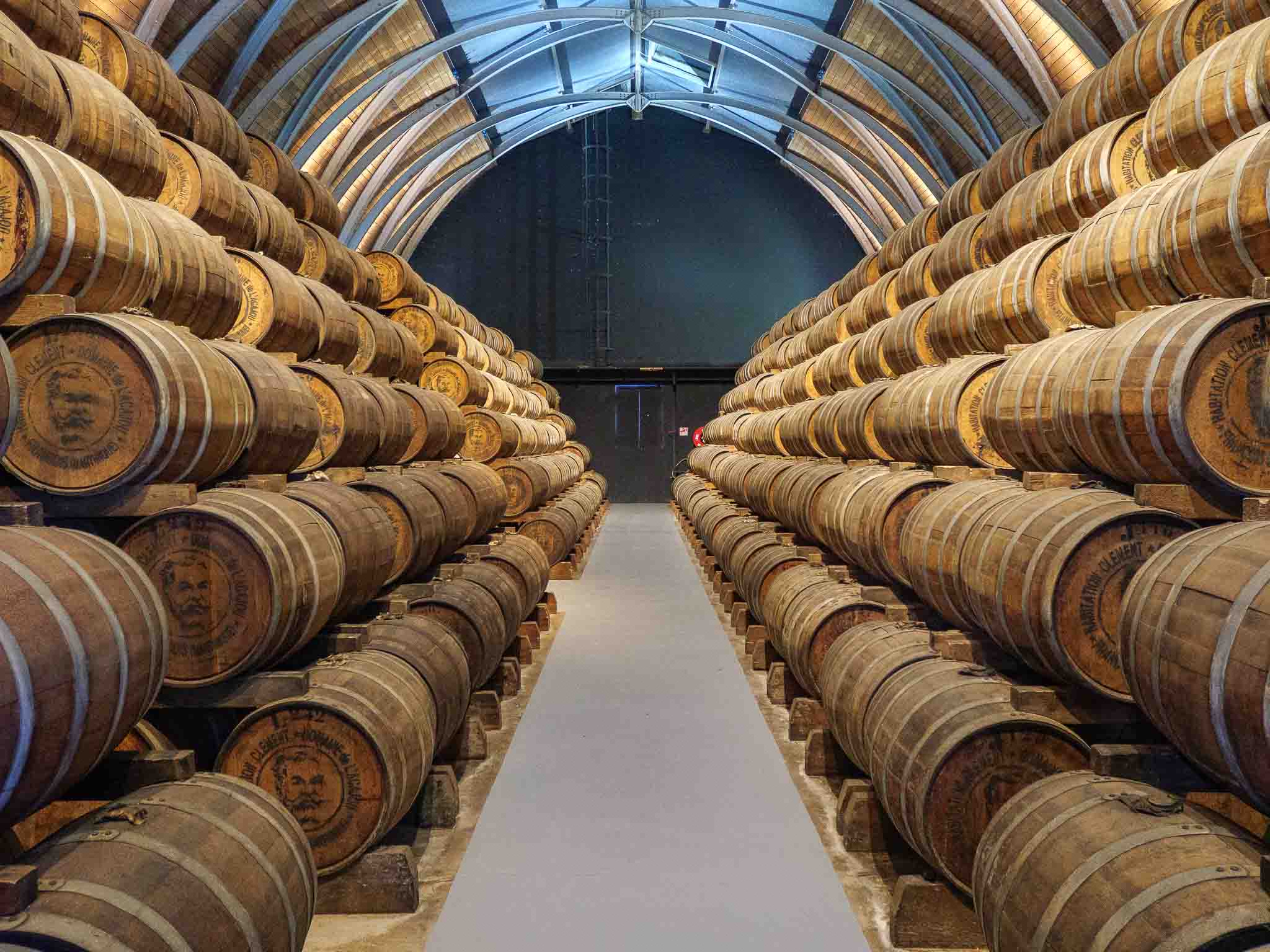
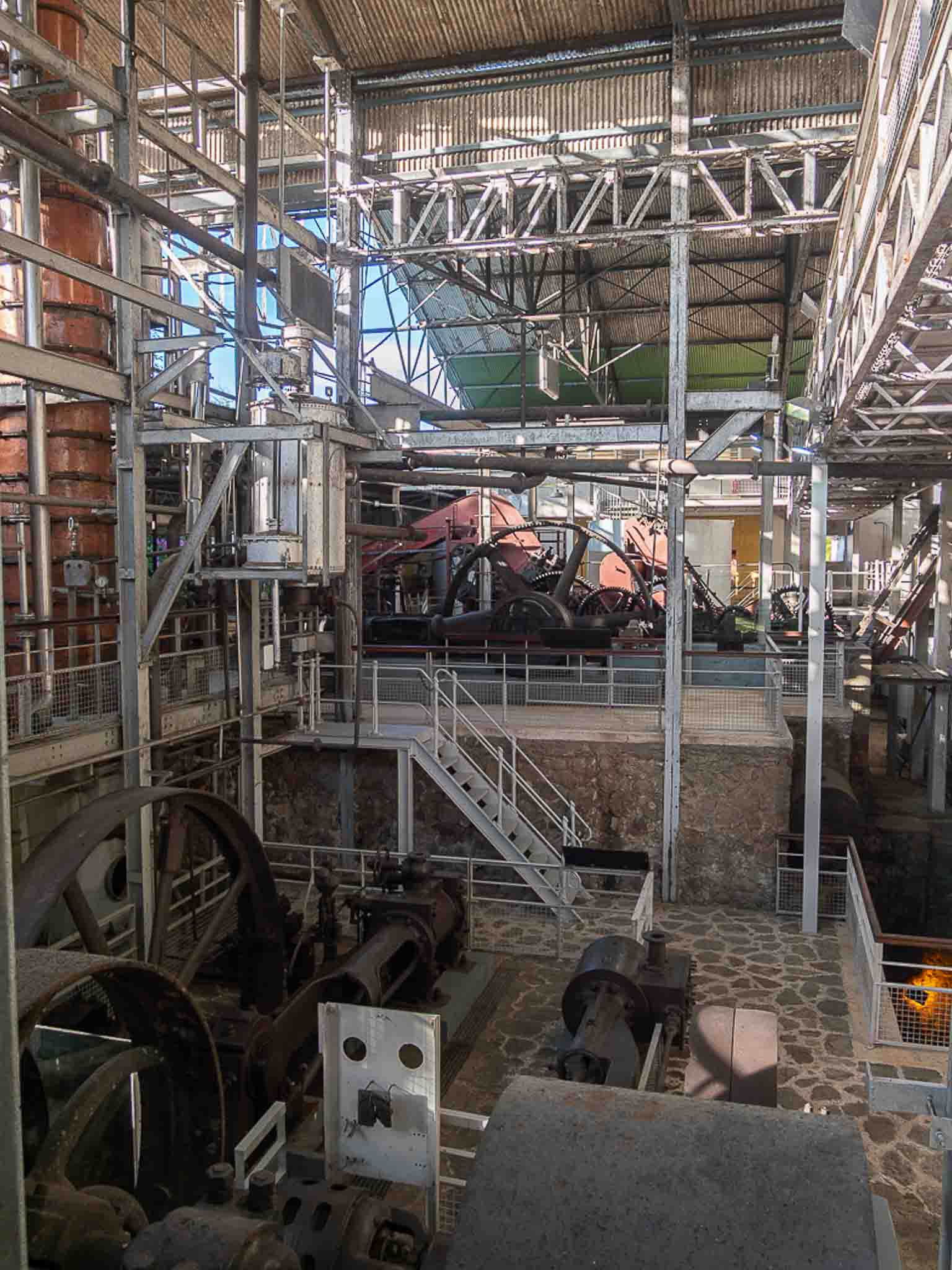
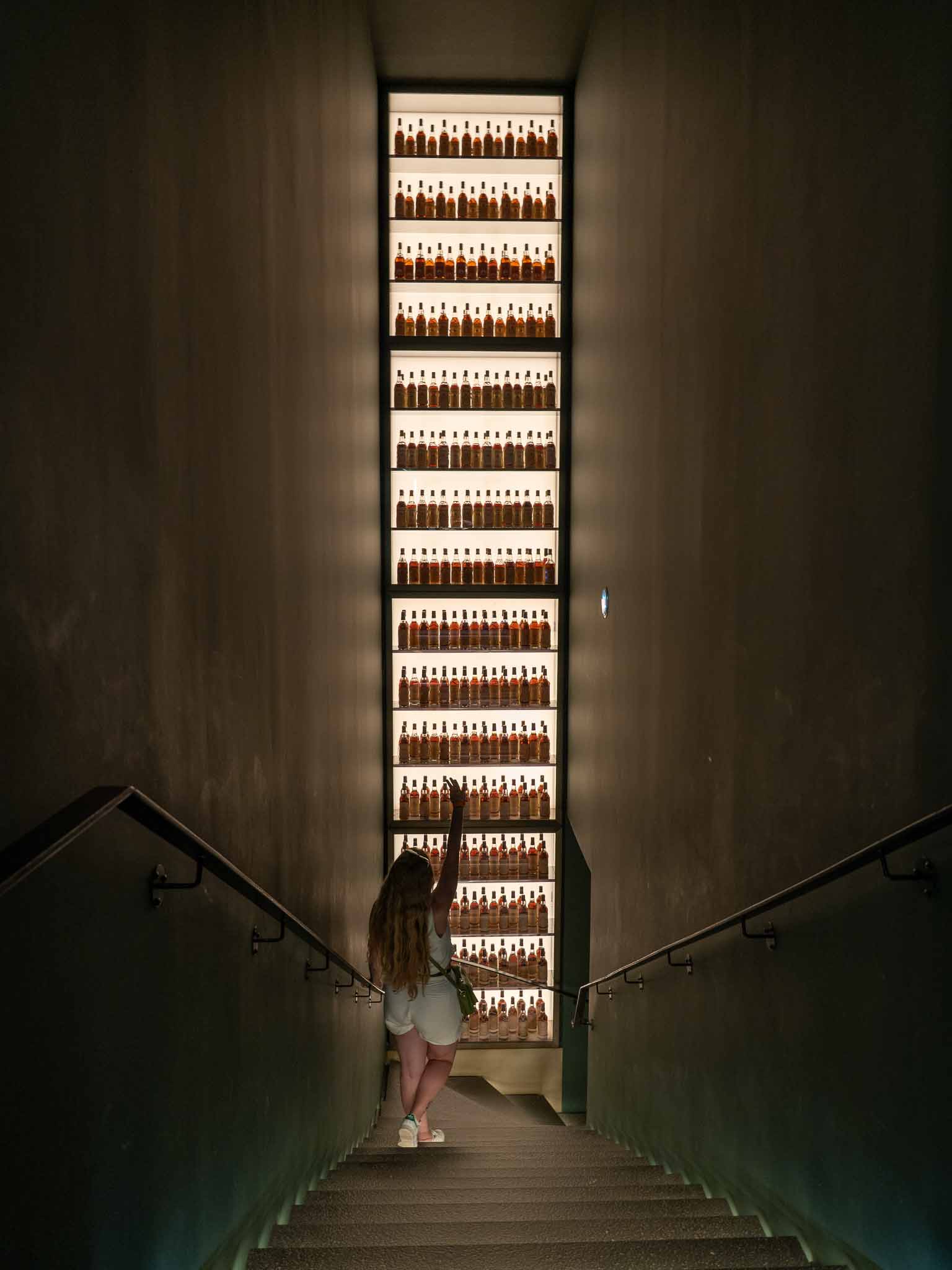
Industrial Heritage & Olfactory Trail: The beautifully restored historic distillery allows visitors to fully understand the rum-making process. We particularly enjoy the olfactory trail, which awakens your senses to the subtle aromas of aged rum.
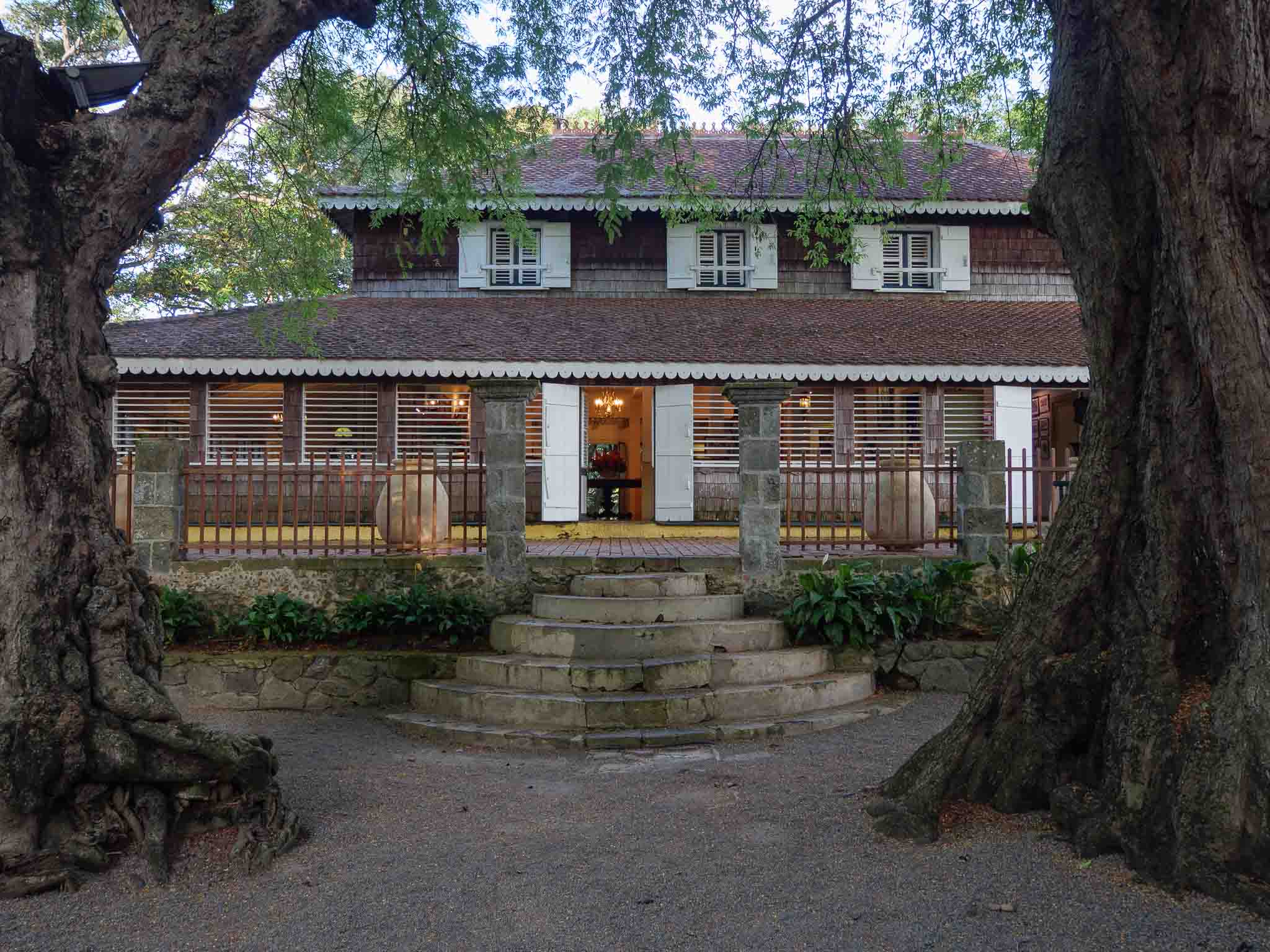
The Historic Manor House: This magnificent 19th-century Creole mansion can be explored entirely. Interestingly, this is where US President George H.W. Bush and French President François Mitterrand held their historic summit meeting in 1991 following the Gulf War.
Exceptional Rum Tasting: The self-guided tour concludes at the boutique with a complimentary tasting. The team on-site is passionate and welcoming, and the aged rums (rhum vieux) presented are of extraordinary quality.
Our Recommendations:
Allow at least two to three hours to thoroughly tour the botanical park, art galleries, historic house, and aging cellars.
Take time to admire the massive French oak barrels inside the aging cellars.
Practical Information:
Admission: Full self-guided tour package (€13 per adult, includes tasting).
Hours: Open 7 days a week, 9:00 AM to 6:00 PM year-round.
Official Website: habitation-clement.fr
Also on the blog: Habitation Clément is a major milestone along the Martinique Rum Trail. To discover our other top recommendations across the island, check out our selection of the 5 must-visit rum distilleries in Martinique!
Le Vauclin: Wild Mangroves, Panoramic Views, and Turquoise Lagoons
Continuing further south, the municipality of Le Vauclin stands out as an essential stop. It represents the wild, untamed heart of the Atlantic Coast.
The Trou Cochon Hike: Immersion in the Mangrove
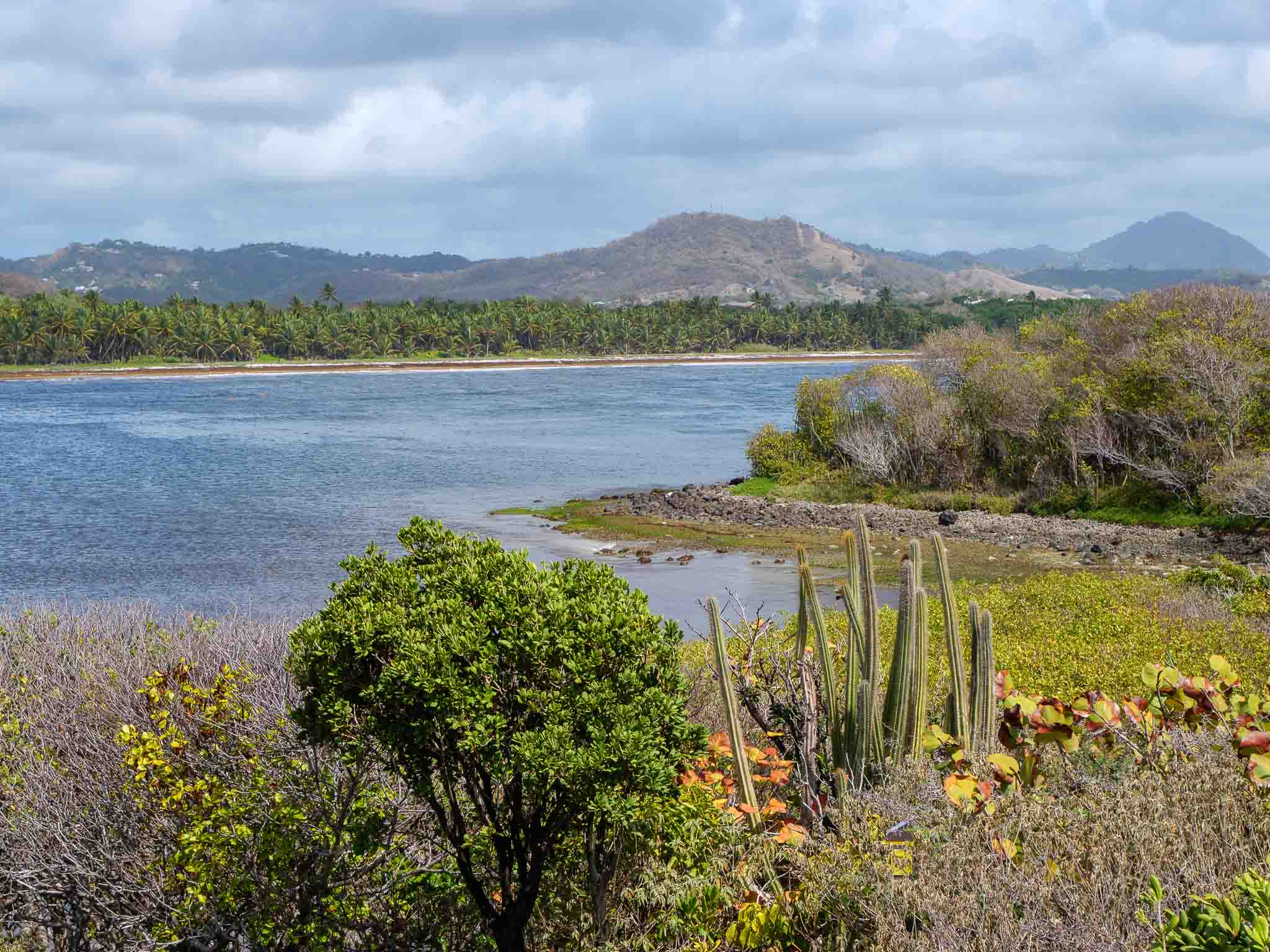
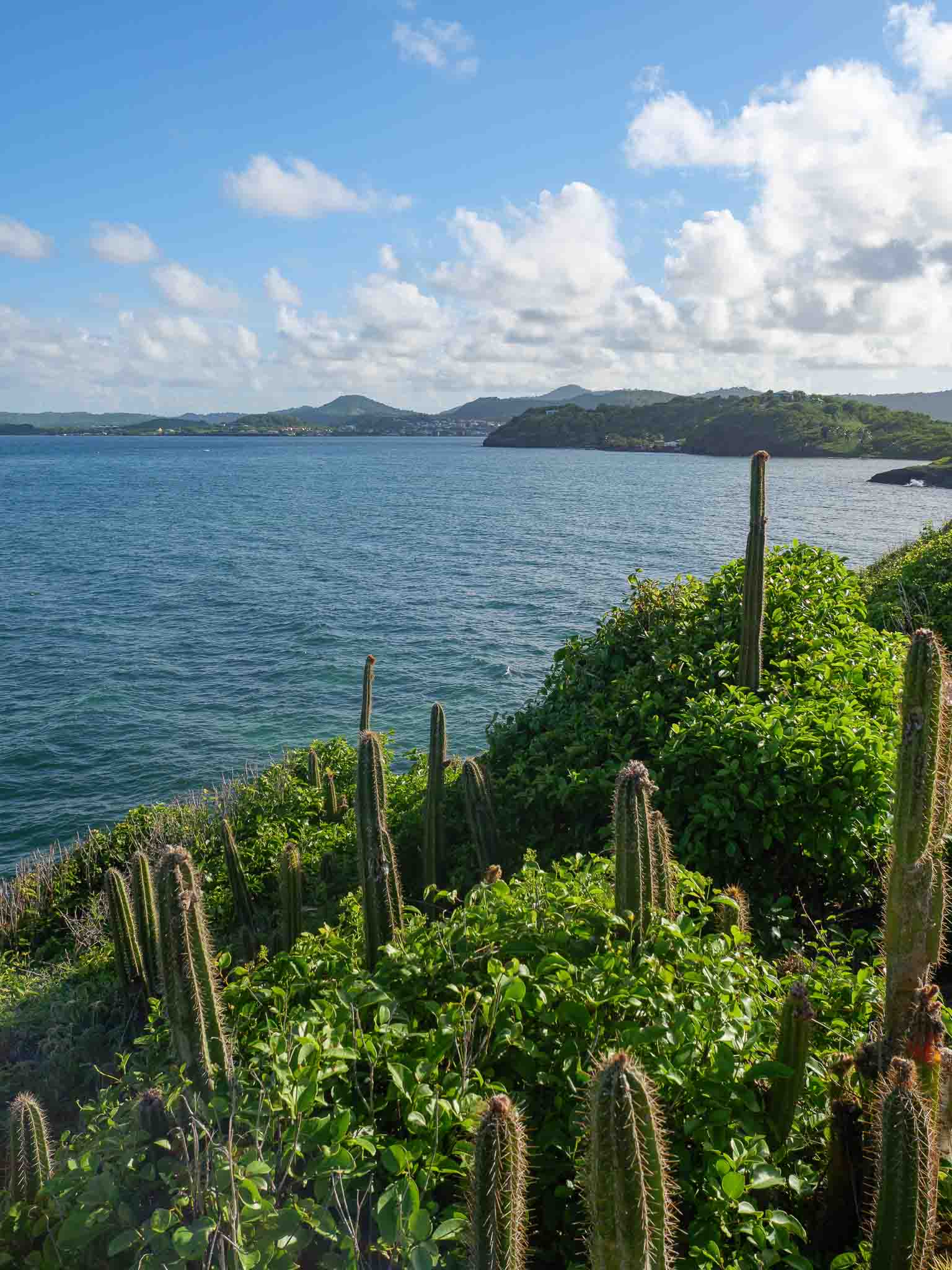
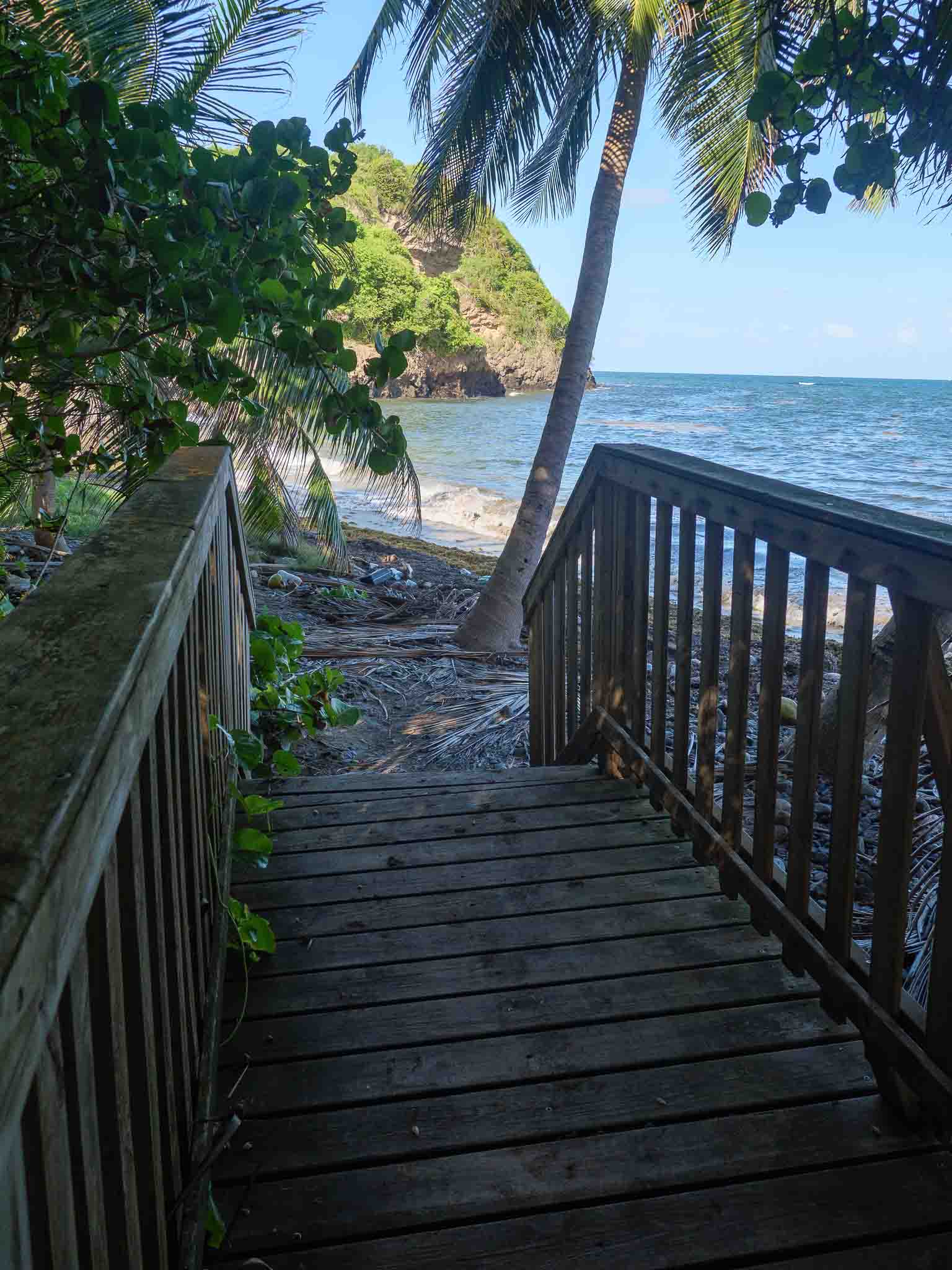
The Trou Cochon hike remains a very special memory for us. It was the very first hike we ever did along the Atlantic Coast! The contrast with the calm beaches of the Caribbean side struck us immediately. Here, nature displays a raw, wild character. Between jagged cliffs, secret coves, and quiet mangrove channels, total immersion is guaranteed.
How to Get There & Where to Park
Head to the Château Paille neighborhood in Le Vauclin. You can park your rental car in the parking lot in front of the UCPA water sports center. The trailhead is clearly marked from this exact spot, featuring a large information map detailing the Boucle du Vauclin loop.
Two Route Options Based on Your Preference
You can choose between two distinct hiking options:
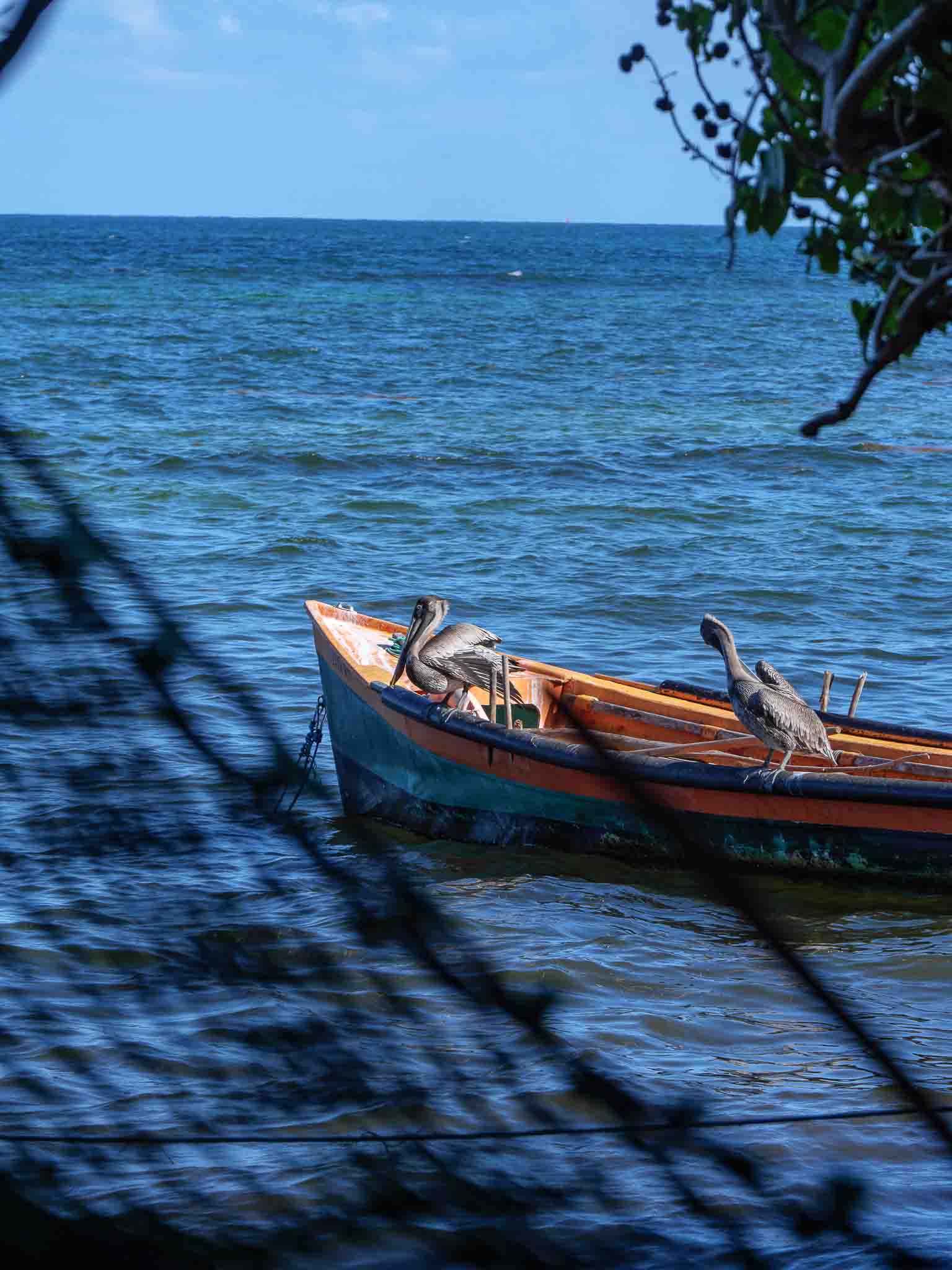
The Full Loop (Our Top Recommendation): This route measures approximately 4.2 miles (6.8 km) with very low elevation gain. It crosses Anse Simon before passing through a secluded fishing hamlet. In certain sections, tropical vegetation becomes extremely dense—making us feel like we were exploring a Jurassic Park movie set!
The Direct Out-and-Back to Trou Cochon: If you are short on time, choose the direct trail to the bay. Expect roughly 1.5 hours of round-trip walking to reach the mangrove cove.
Trou Cochon Cove & Swimming Break
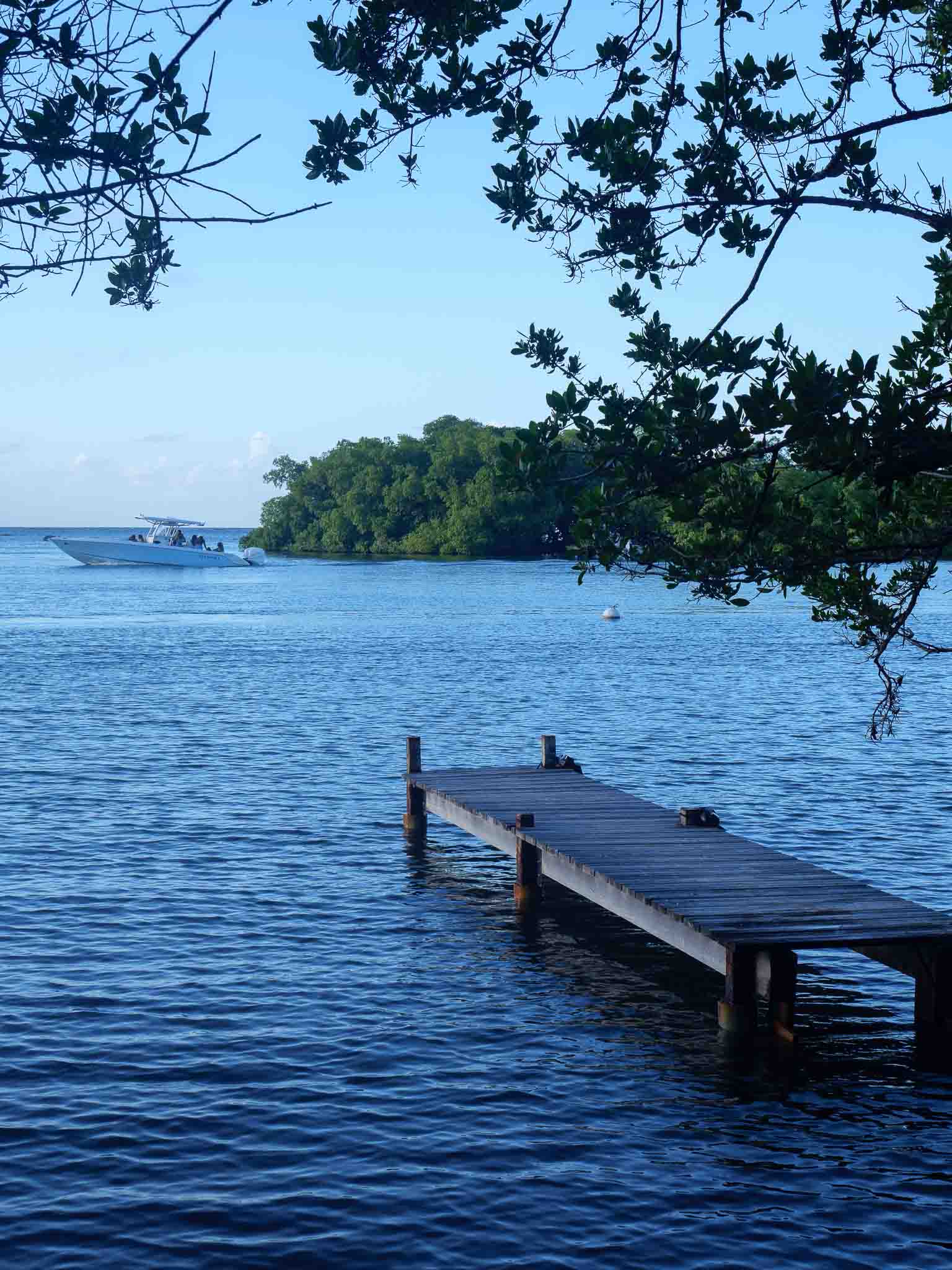
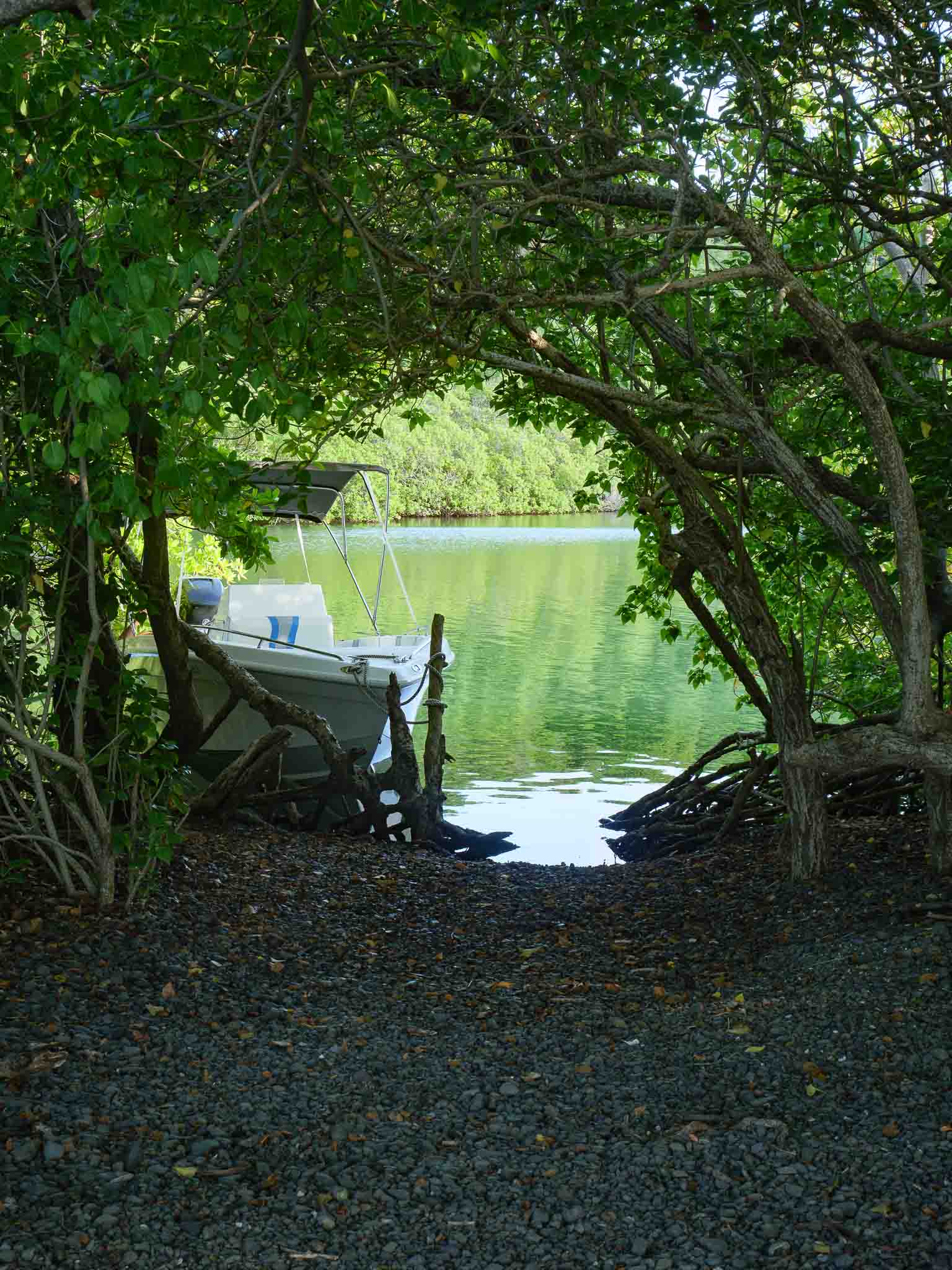
Upon arrival, the spectacle of Trou Cochon bay is magnificent. Dense mangrove trees naturally protect this turquoise water basin from winds and waves. It is an ideal spot to take a refreshing dip in total tranquility while resting under the shade of mangroves.
Local Resident Tips:
Bug Spray is Mandatory: Apply a strong insect repellent before entering the mangrove area.
Closed-Toe Shoes Required: Wear sneakers or trail shoes to comfortably walk over mangrove roots, stones, and dirt paths.
Water Shoes for Swimming: If, like us, you dislike muddy seabeds, pack a pair of neoprene water shoes.
Start Early: Leave early in the morning to enjoy the tranquility of the site before other hikers arrive.
Hike Summary:
Duration: 1.5 hours (direct out-and-back) to 2.5 hours (full 4.2-mile loop).
Difficulty: Easy (low elevation gain of ~360 feet / 110 meters).
Gear Checklist: Closed sneakers, water shoes, swimsuit, bug spray, water, and sun hat.
Explore the Mangrove from the Water: If you don’t feel like hiking to reach Trou Cochon, a fun alternative is booking a local boat tour to discover both the famous Baignoire de Joséphine sandbar and Trou Cochon bay!
Pointe Faula: Walking on Water in the Middle of the Lagoon
To wrap up your stop in Le Vauclin, set your course for famous Pointe Faula.
Pointe Faula is renowned for its vast underwater sandbar. It allows visitors to literally walk through warm, crystal-clear water for hundreds of yards right into the middle of the shallow lagoon!
This sheltered body of water also serves as a premier hotspot for kitesurfing enthusiasts. Watching colorful kites dance across the sky creates a fantastic spectacle.
Finally, the beachfront features several casual bars and restaurants. It is a fantastic spot to take a break, sip a fresh local juice or a traditional Ti-Punch with your feet in the sand in the late afternoon.
The Wild Macabou Coast: Coastal Hiking and the Heart of Grosse Roche
o conclude this Atlantic Coast itinerary, head down to Macabou. This area ranks among the most preserved and wild sectors in all of Martinique.
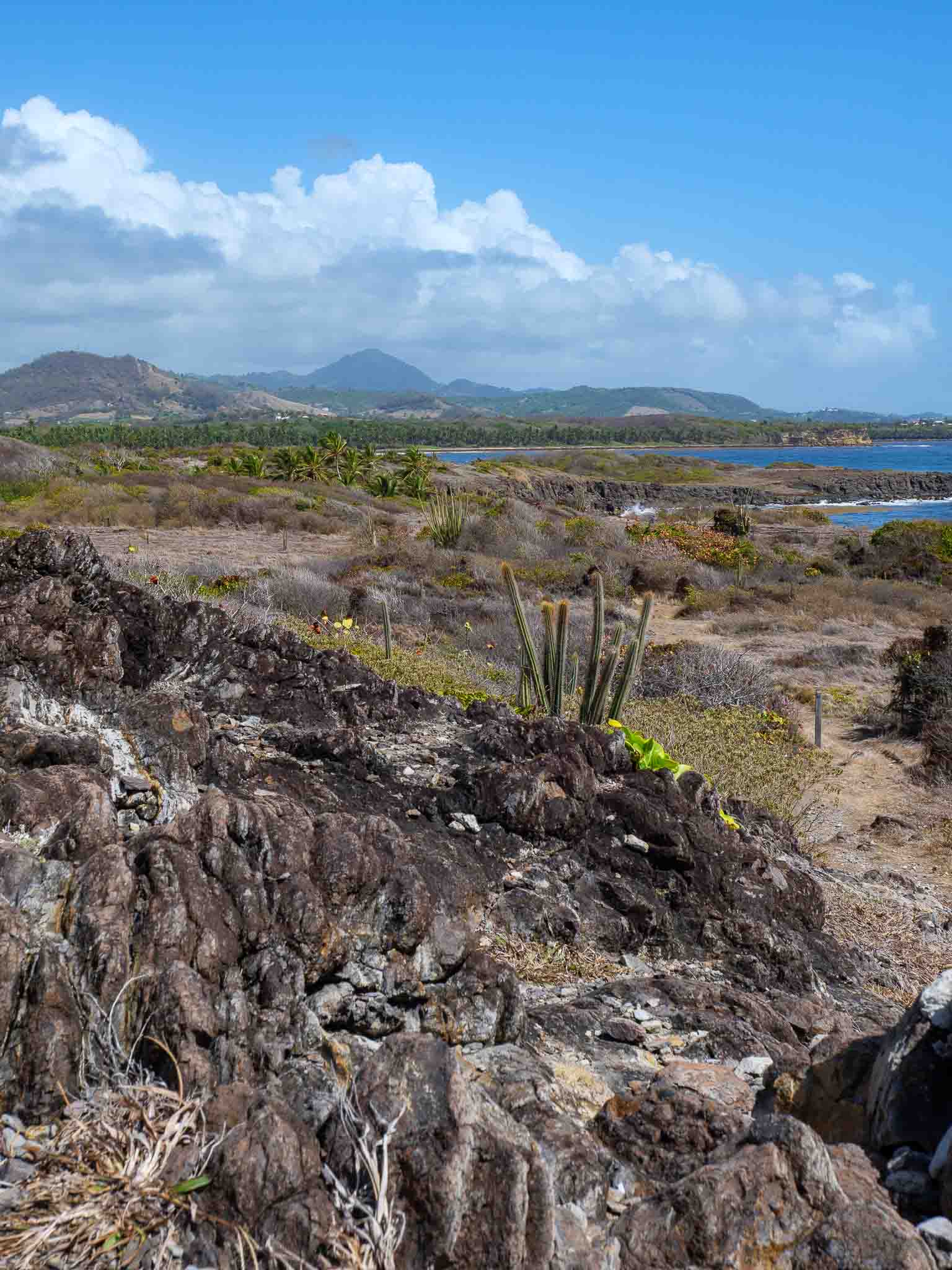
This stretch of coastline forms part of the famous Trace des Caps trail network. The landscape here feels raw, dominated by Atlantic waves and sweeping coconut groves.
From Anse Grand Macabou to Anse Grosse Roche
The coastal walk between these two coves delivers an absolutely gorgeous backdrop. The trail runs alongside the ocean beneath the welcome shade of coastal trees and towering palms.
Anse Grand Macabou: This expansive golden sand beach remains very lightly visited. It is a perfect spot for a peaceful walk along the shoreline.
An Accessible Walk for Everyone: The path connecting both coves is flat and technically easy. Expect roughly 20 to 30 minutes of gentle walking between the two spots.
Unspoiled Nature: Here, you will find virtually no commercial tourist infrastructure. Enjoy an intact natural environment set between ocean waves and coastal greenery.
Must-See Photo Spot: The Heart of Grosse Roche (Cœur de Grosse Roche)
Arriving at Anse Grosse Roche, you will discover a fascinating geological curiosity. It stands as one of the most photographed natural formations on the island!
A Natural Rock Arch: Ocean waves and erosion have carved out the volcanic cliff face, creating a window shaped like a perfect heart.
A Poetic Setting: Framing the deep blue ocean through this heart-shaped rock opening offers a striking contrast. It looks like a living natural painting!
Our Photo Tip: Walk slowly toward the arch to frame the open sea in the background. The spot looks particularly magical beneath early morning light.
Tips for Enjoying Macabou
Watch the Access Road: The road leading to the Grand Macabou parking lot is an unpaved dirt track. Drive very slowly with your rental car.
Sargassum Sensitivity: Like this entire coastline, the area can receive sargassum arrivals. Beyond any odor, heavy sargassum can restrict swimming in certain spots.
Caution While Swimming: Ocean swells are often strong along this windward coast. Always remain cautious facing waves.
Recommended Gear: Bring plenty of drinking water, sun protection, and good walking shoes. There are no shops on-site, so pack a picnic if you plan to lunch here!
Good to Know: The Trace des Caps Trail Network
This coastal section between Anse Macabou and Anse Grosse Roche belongs to the famous Trace des Caps.
What is the Trace des Caps? It is the longest continuous coastal hiking trail in Martinique, spanning roughly 17 miles (27 km) along the entire southeastern tip of the island from Petit Macabou to Anse Caritan. It crosses exceptionally varied landscapes, from coconut groves and volcanic cliffs to the surreal, moon-like Savane des Pétrifications.
Also on the blog:
Where to Stay on the Atlantic Coast of Martinique?
To fully enjoy the Atlantic Coast, choosing the right base camp is strategic. Here are the areas we recommend to unpack your bags during your stay:
Le Robert / Le François Area (Central Location): The ideal strategic location if you want to visit the islets and Habitation Clément. The Pointe Savane neighborhood in Le Robert is particularly peaceful.
Sainte-Luce / Le Marin / Sainte-Anne Area (Southern Location): If your primary focus is wild coastal hiking and sweeping beaches, base yourself further south. These towns allow quick access to Macabou and the southern coves.
Our Selection of 3 Favorite Accommodations
Suites Anagani (Le Robert)
Waterfront comfort located in Pointe Savane. These villas offer magnificent views over the bay and serve as an ideal launchpad for boat trips to Îlet Chancel and Îlet Madame.
Hôtel Plein Soleil (Le François)
Refined boutique charm nestled in the hills of Le François amidst a lush tropical garden. Features an outstanding gourmet restaurant—ideal for a peaceful, romantic stay.
Pierre & Vacances Village (Sainte-Luce)
A strategic waterfront resort offering fully equipped apartments with swimming pools. A practical base camp to radiate throughout the southern half of the island easily.
Conclusion: Why the Atlantic Coast is an Essential Stop
Many travelers focus exclusively on the famous beaches of the Caribbean coast. However, exploring the Atlantic Coast is indispensable to forming a complete and authentic perspective of Martinique.
This region displays a vastly different face—more intimate, raw, and far less impacted by mass tourism.
A Preserved Coast for Nature Lovers
Even if occasional sargassum requires checking conditions beforehand, this wild coastline amply deserves your time. It is a genuine playground for lovers of wide-open nature.
Between the turquoise islets of Le Robert, the art and history of Habitation Clément, the preserved mangroves of Trou Cochon, and the sculpted sea cliffs of Macabou, every stop reveals landscapes of raw beauty. Taking time to wander the windward coast allows you to embrace a more peaceful island rhythm!
Continue Exploring Martinique on the Blog:
Head South: Find all our favorite addresses in our complete guide to Sainte-Anne.
Love Hiking? Discover the Macabou trail and more in our list of 5 easy hikes in Martinique.
Plan Your Overall Trip: Access all our local resident tips on our main Martinique Travel Guide page.
Frequently Asked Questions: Visiting Martinique's Atlantic Coast
What is the best time of year to explore the Atlantic Coast?
The ideal period runs from December to May during the dry season (carême). Gentle trade winds bring a refreshing breeze across the coast, and sunshine is abundant. It is the perfect season for boat trips across Le Robert bay or hiking along the Trace des Caps.
How do you manage sargassum seaweed during your outings?
Check real-time beach updates or local satellite tracking apps before heading out. If sargassum is present on a specific Atlantic cove, pivot to protected bays (like Îlet Chancel or Pointe Faula) or explore inland attractions like Habitation Clément.
Is a rental car mandatory to visit this region?
Yes, absolutely. Public transit options are sparse and do not conveniently connect trailheads, secluded beaches, or historical rum estates along the windward coast.
How many days should I spend on the Atlantic Coast?
We recommend dedicating at least 1 to 2 full days to this sector to balance boat excursions, rum tastings, and coastal hikes without rushing.
Our others articles to Martinique :
10 Unique & Best Things to Do in Martinique (Tested by Us!)
10 Unique and Must-Do Activities in Martinique (Tested by Us!)Having lived in Martinique for over a year, the “Island of Flowers” serves as our daily exploration ground. From North to
5 Best Rum Distilleries in Martinique: Our Ultimate Guide
Which Distillery to Visit in Martinique? Our Top 5! Since moving to Martinique, we take immense pleasure in discovering its incredible local craftsmanship. Inevitably, we find ourselves regularly visiting distilleries
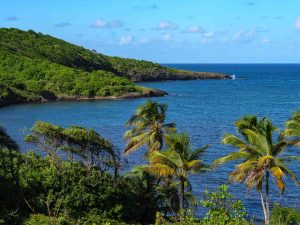
5 Easy Hikes in Martinique: Best Accessible Trails
Easy Hikes in Martinique: 5 Must-Do and Accessible Trails Exploring Martinique on foot remains one of the absolute best ways to truly understand the island. Over the months, we have
Welcome to Les Vadrouilles de Mbly! This french travel blog is fully dedicated to authentic escapes and the sweet life. As an epicurean and nature lover, I explore Martinique and the rest of the world to share my greatest discoveries with you.
If you love uncovering charming accommodations, savoring local cuisine, and exploring off the beaten path, you have definitely come to the right place! Be sure to follow me on social media to experience all our daily adventures together.