
Which Distillery to Visit in Martinique? Our Top 5!
Since moving to Martinique, we take immense pleasure in discovering its incredible local craftsmanship. Inevitably, we find ourselves regularly visiting distilleries to explore and, whenever possible, taste this sublime nectar.
As you probably know, Martinique possesses a globally unique expertise thanks to its prestigious French AOC (Appellation d’Origine Contrôlée) quality label. Thus, touring a distillery or a historic estate remains an absolutely essential cultural and gourmet stop.
However, making a choice among the dozen estates on the island can prove to be quite difficult. That is exactly why we are sharing our personal selection of 5 must-see locations. Ultimately, this ranking is based entirely on our own visits and our true heartfelt favorites. Of course, this list is meant to evolve over time. Indeed, we haven’t yet had the opportunity to test all the Martinican distilleries (proving that we can occasionally be reasonable!).
Furthermore, these visits fit very easily into the heart of your daily exploration itineraries. To seamlessly combine your tastings with the rest of your trips, consult our complete guide to organizing your trip to Martinique. Without further ado, here is our top 5 list of tested and approved distilleries on the island.
Which Distillery to Choose Based on Your Profile?
For Families with Children
La Mauny for its fun little tourist train ride through the sugarcane fields, or Habitation Clément for its wide open spaces and highly educational olfactory workshop.
For Culture and Art Lovers
Habitation Clément for its striking contemporary art foundation, or Habitation HSE for its beautiful temporary exhibitions directly in the gardens.
For Lush Botanical Gardens
Habitation Clément and Habitation HSE for their incredibly verdant parks and flowering tropical trees.
For Rum Excellence
The choice is incredibly tough! But, for us, the rums from the J.M Distillery remain our absolute preference, particularly their aged rums (rhums vieux).
How to Explore the Rum Route?
Distilleries are scattered all across the island. Consequently, to easily reach estates in the North as well as the South independently, having a rental car is absolutely vital. Remember to compare prices and book your vehicle in advance on DiscoverCars.
1. J.M Distillery (Macouba): Our #1 Favorite
Founded in 1745 under the name Habitation Fonds-Pré, this historic distillery was ultimately purchased in 1845 by Jean-Marie Martin. Consequently, he stamped it with his initials and transformed the site into an agricultural rum distillery. Nestled in Macouba, the estate benefits from an exceptional microclimate. Indeed, the volcano’s close proximity provides incredibly pure spring water and highly fertile soil.
Why is the visit worth the detour?
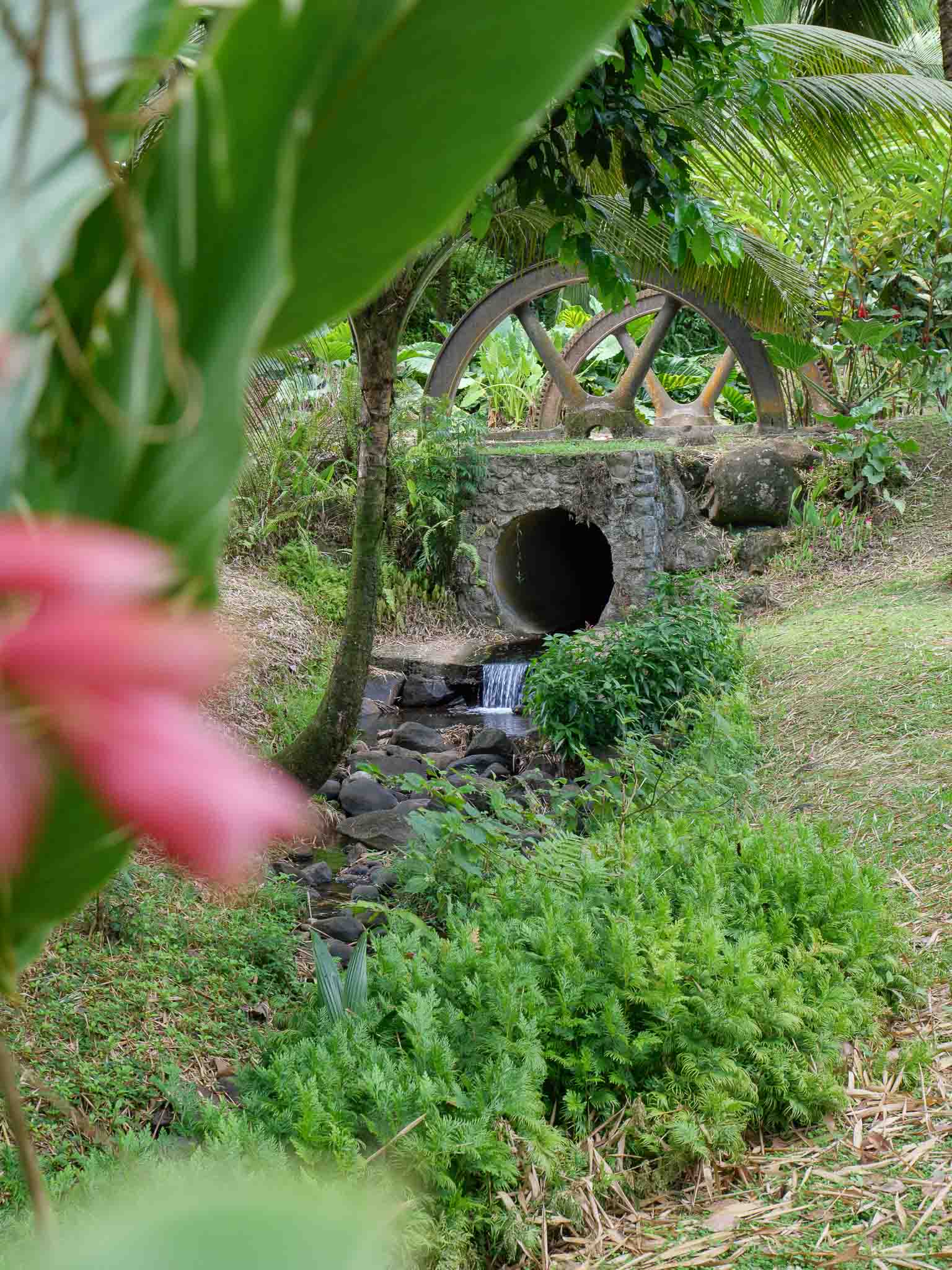
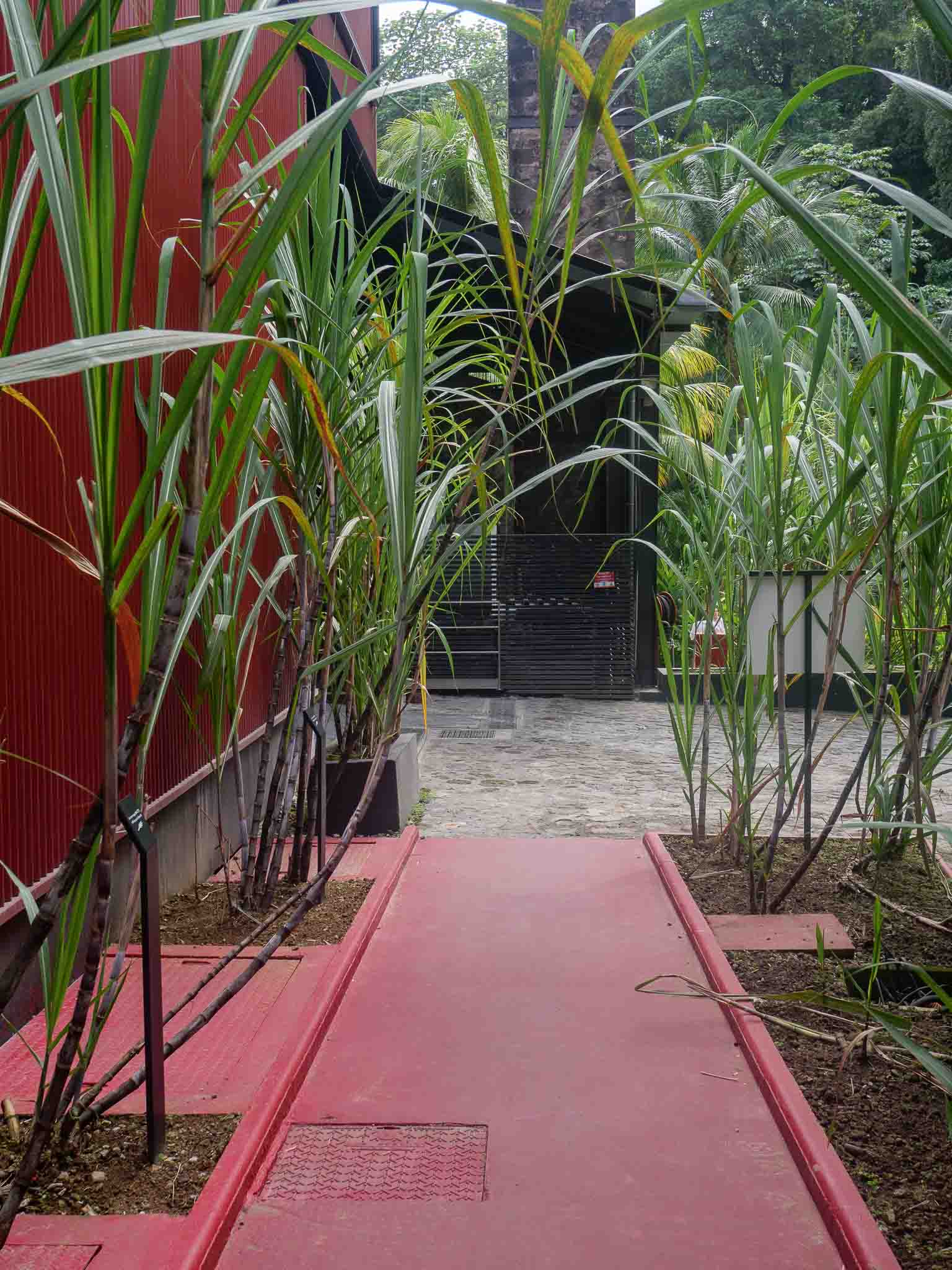
The estate offers a highly modern and remarkably seamless self-guided tour. Moreover, the facilities blend perfectly into the heart of a true tropical nature setting. Thus, you wander beautifully between lush vegetation and period steam engines. Afterward, the site features a gorgeous scent garden and a unique olfactory workshop. This sensory awakening ideally prepares your palate before you move on to the actual tasting.
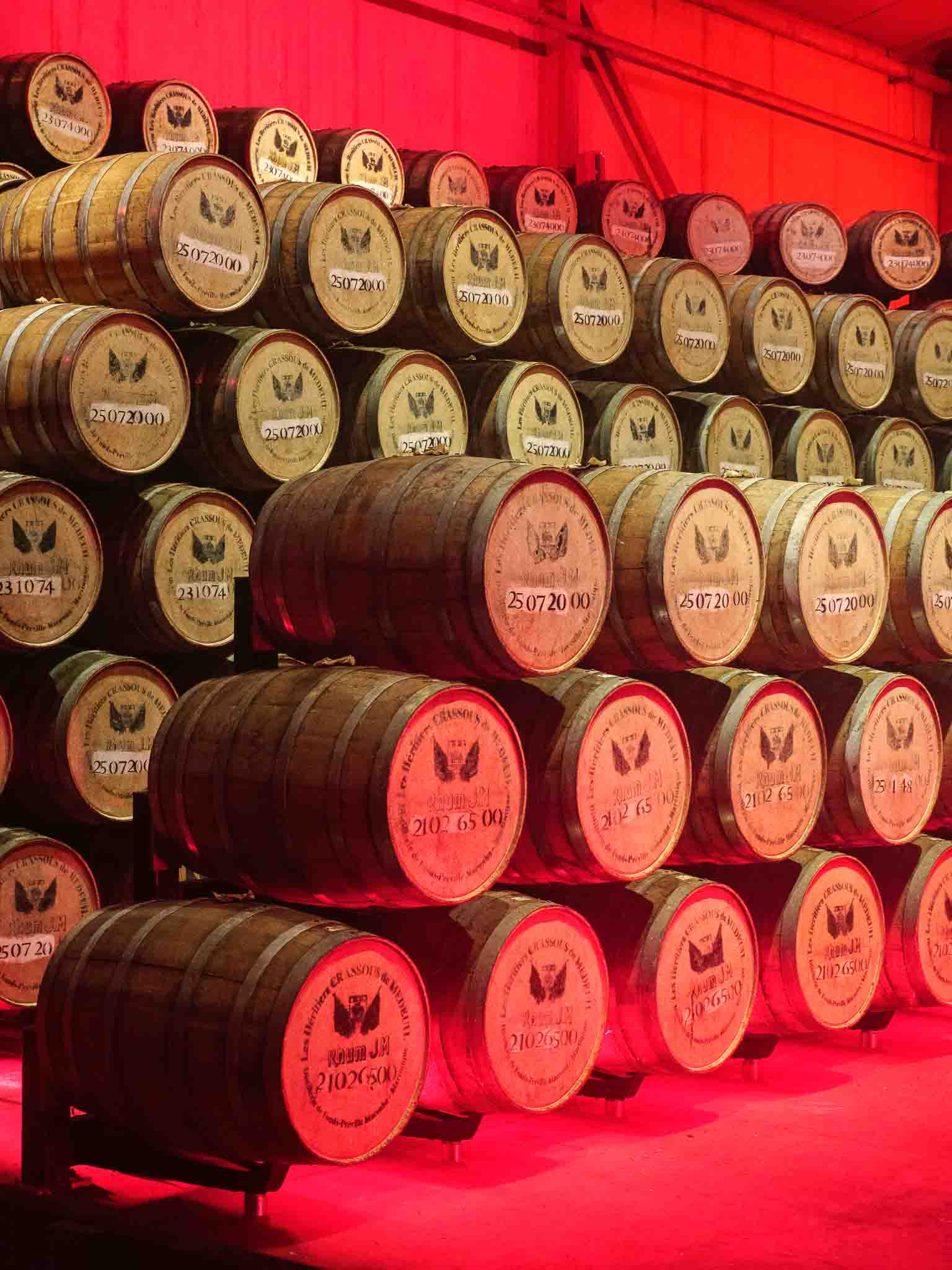
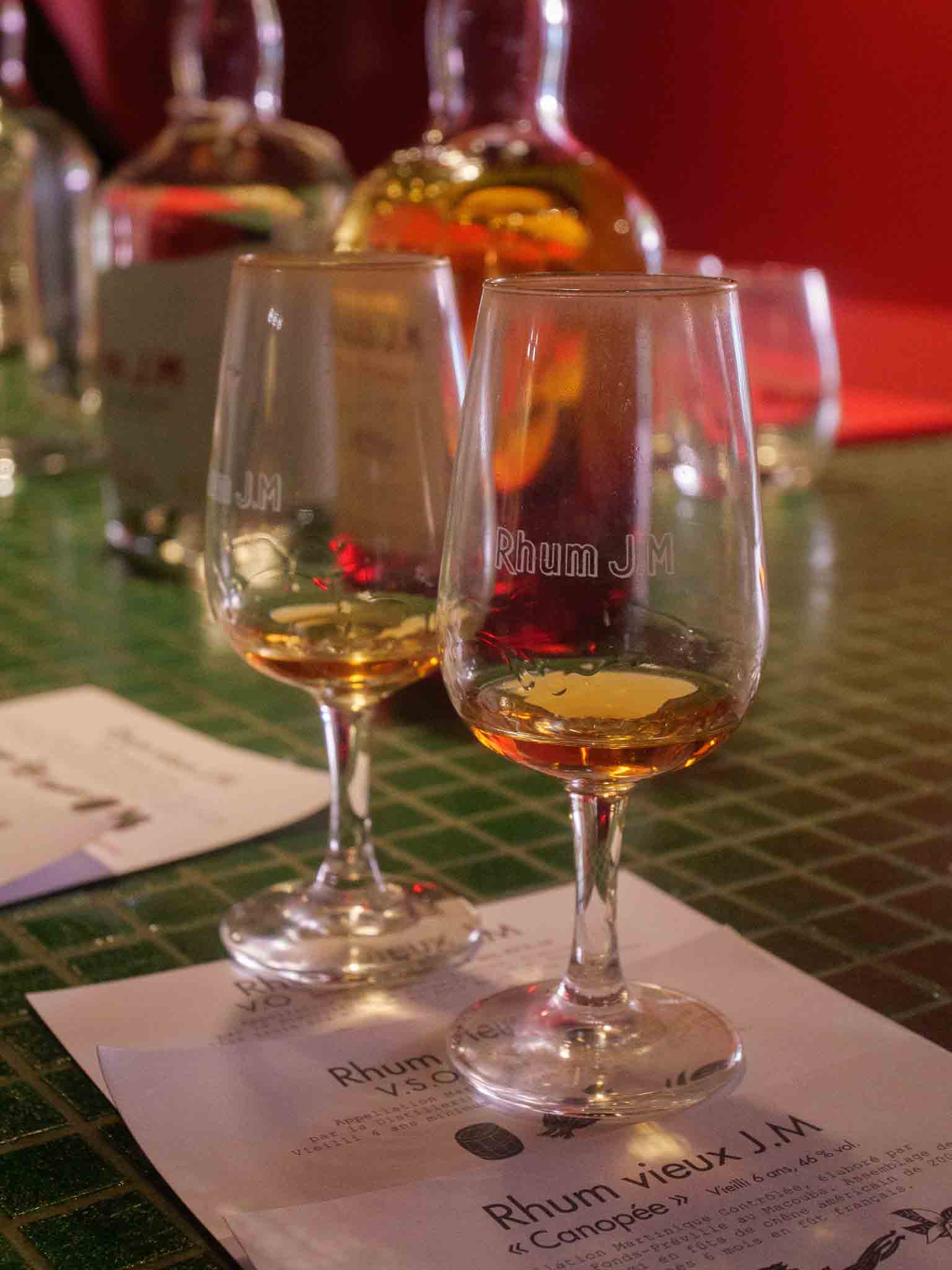
Our personal opinion: In our honest opinion, the J.M house simply produces the best rum in Martinique. Specifically, we completely fell in love with the Canopée vintage. It is an exceptional rum of incredible finesse. As a result, the tasting at the boutique bar concludes the visit beautifully.
Our recommendations:
Arrive right at opening time in the morning to fully enjoy the site’s absolute serenity and cool air.
Next, take the time to experiment with the sensory scent table before choosing your bottles.
Practical Information:
Price: Access to the estate, the sensory trail, and the tasting are completely free.
Hours: Open every day from 9:00 AM to 5:00 PM.
Website : rhums-jm.com
2. Depaz Distillery (Saint-Pierre): Exceptional Volcano Views
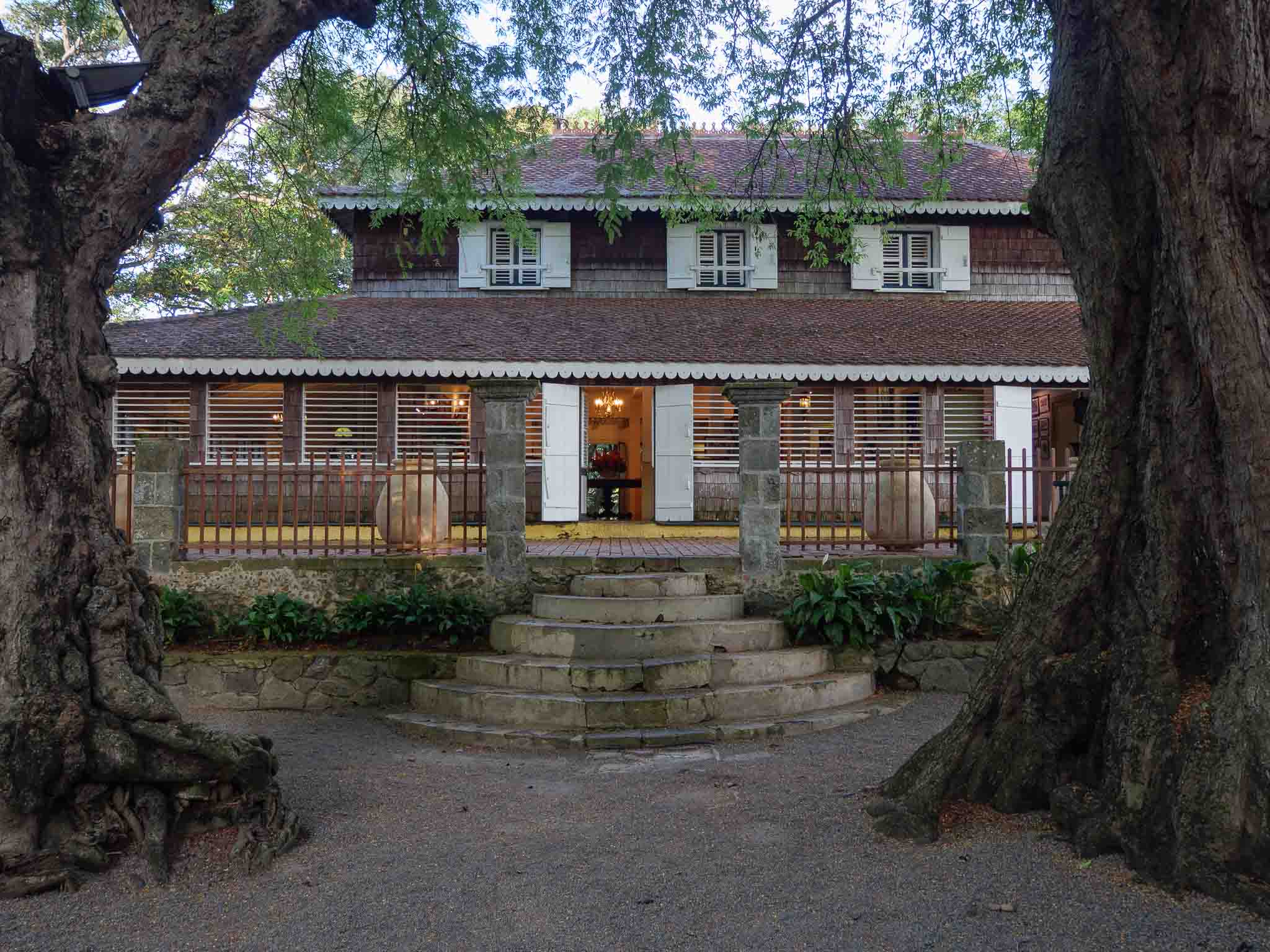
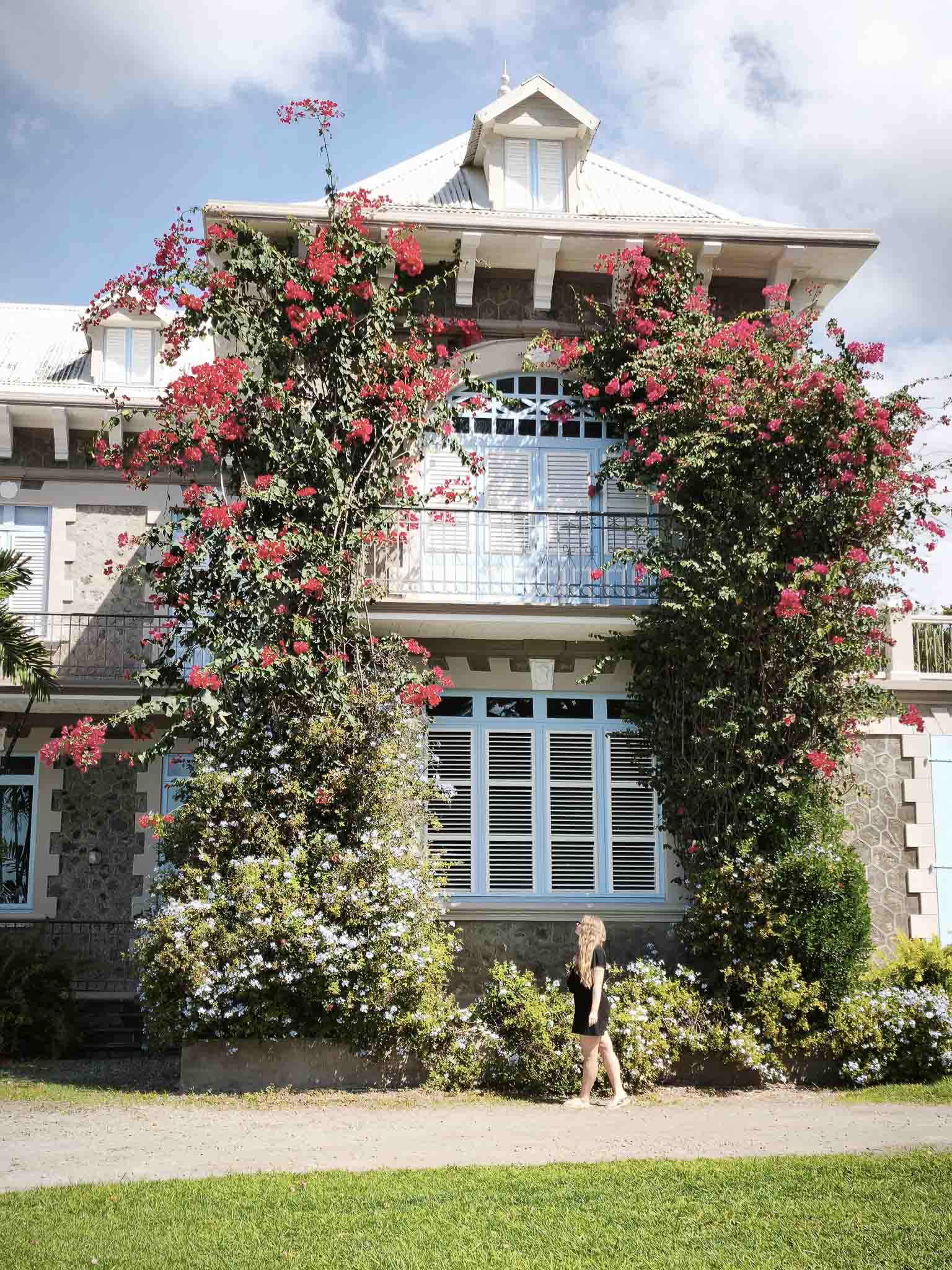
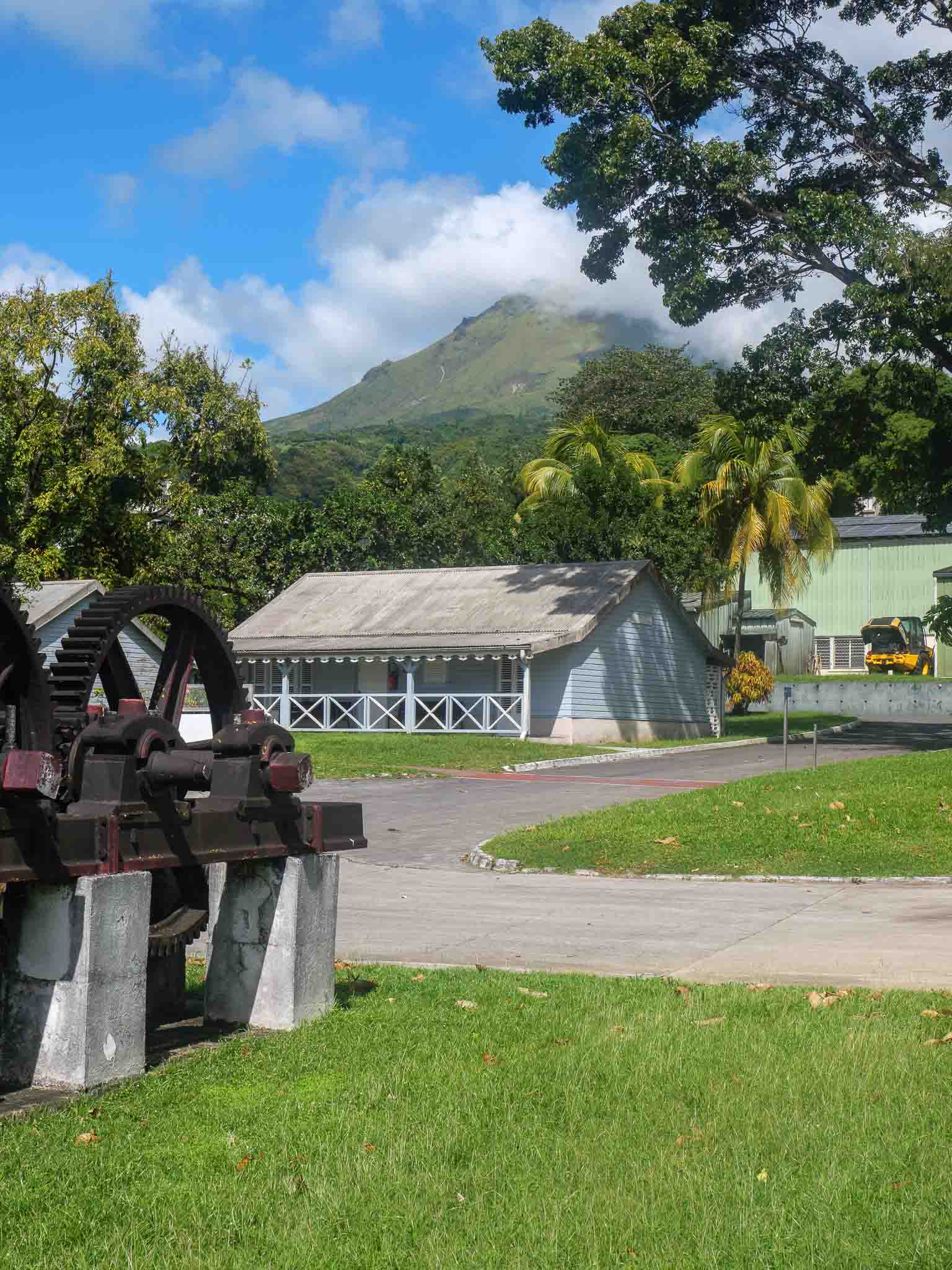
The history of the Depaz distillery is entirely inseparable from Mount Pelée and the tragic disaster of 1902. During the volcanic eruption, the old estate was completely destroyed. Victor Depaz, the sole survivor of his prominent family, eventually returned to rebuild the site. Thus, he reconstructed the distillery and the sumptuous colonial mansion directly on these fertile lands.
Why is the site worth the detour?
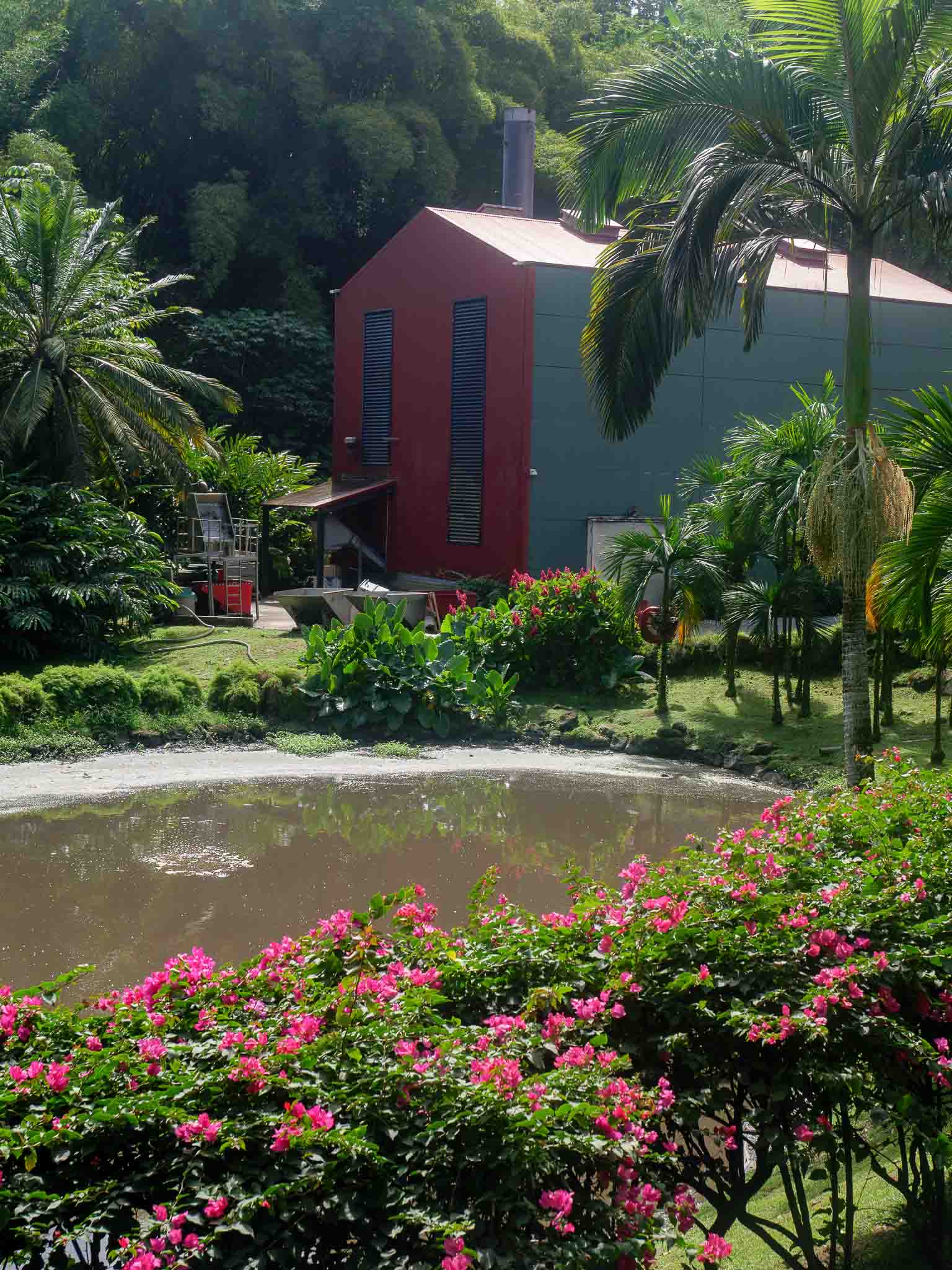
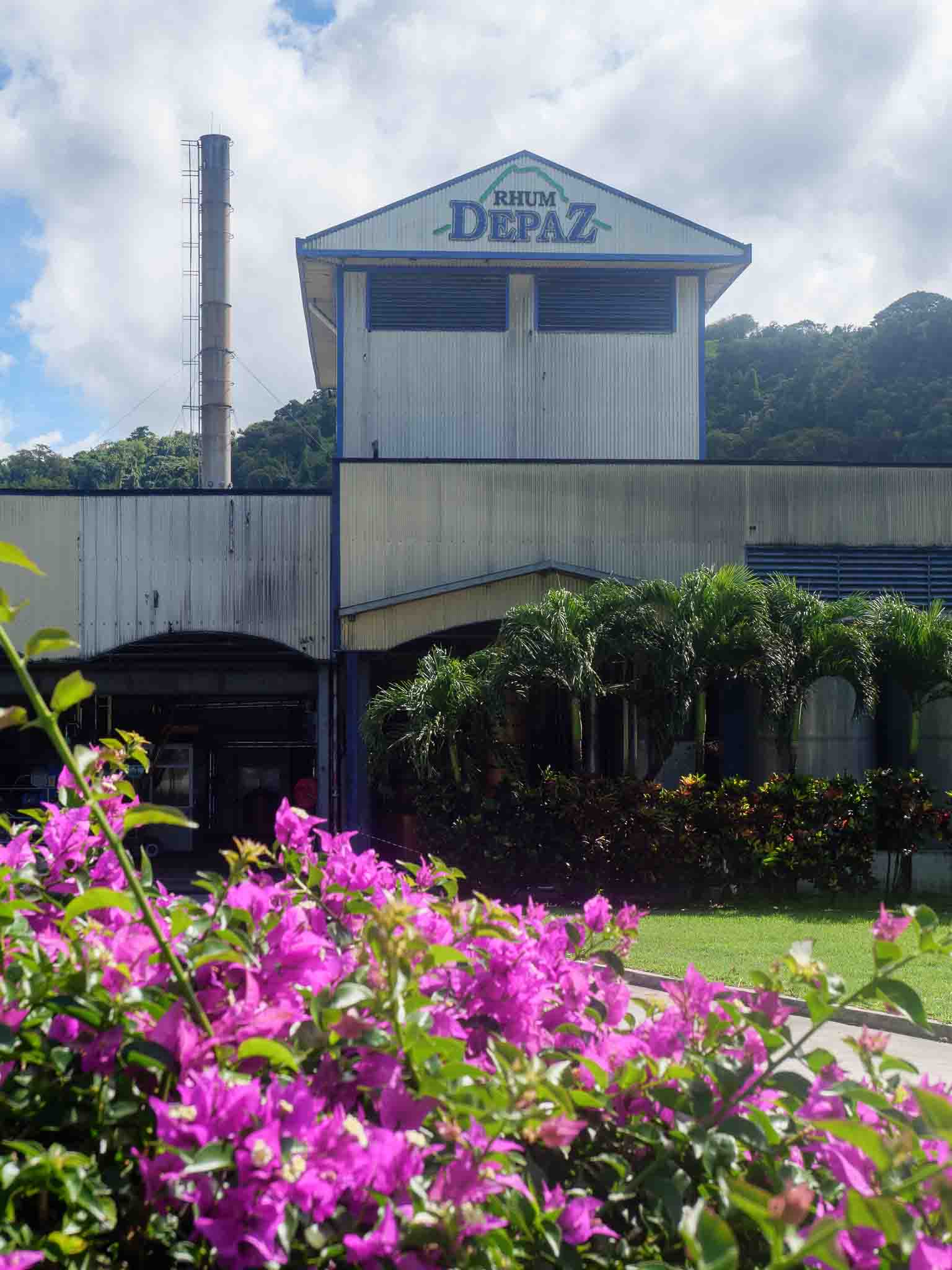
The estate stretches out beautifully facing the Caribbean Sea. Furthermore, it offers absolutely spectacular viewpoints. On-site, modern installations allow you to easily understand current rum production methods. If you visit the Depaz distillery between January and May, you will almost certainly have the chance to see it in full operation during the sugarcane harvest. Additionally, the estate preserves striking remnants of the pre-1902 distillery, notably its old bell, which melted during the Mount Pelée eruption.
Our personal opinion: The wooded park and the colonial chateau are visually magnificent. However, we do not necessarily recommend paying for the guided indoor tour of the mansion. Indeed, simply strolling freely around the estate grounds proves to be very comprehensive. Finally, the concluding tasting at the bar remains highly pleasant. Nevertheless, their vintages are, to our taste, slightly less exceptional than those at J.M.
Our tips for Depaz:
Take the time to admire the breathtaking view over the bay of Saint-Pierre from the top of the estate.
Then, on a clear day, look behind the main house to discover the highly impressive Mount Pelée looming above.
Practical Information:
Price: Walking the park and tasting are free. Touring the main mansion requires a fee of ~$8 USD (€7).
Hours: Monday to Saturday from 9:00 AM to 5:00 PM (Closed on Sundays).
Website : depaz.fr
To go further :
Do you want to extend your day at the foot of Mount Pelée? The region harbors historic ruins and exceptional marine spots. Find all our itineraries in our complete guide to visiting Saint-Pierre and its surroundings.
3. Habitation Clément (Le François): Art, History, and Prestige
The estate’s history dates back to the 18th century under the name Habitation de l’Acajou. In 1887, Martinican doctor and politician Homère Clément purchased the property during a massive sugar crisis. Consequently, he transformed the estate and actively participated in creating modern agricultural rum. Later, the site entered the historical heritage registry. Moreover, this iconic estate famously hosted the 1991 presidential summit between George H.W. Bush and François Mitterrand.
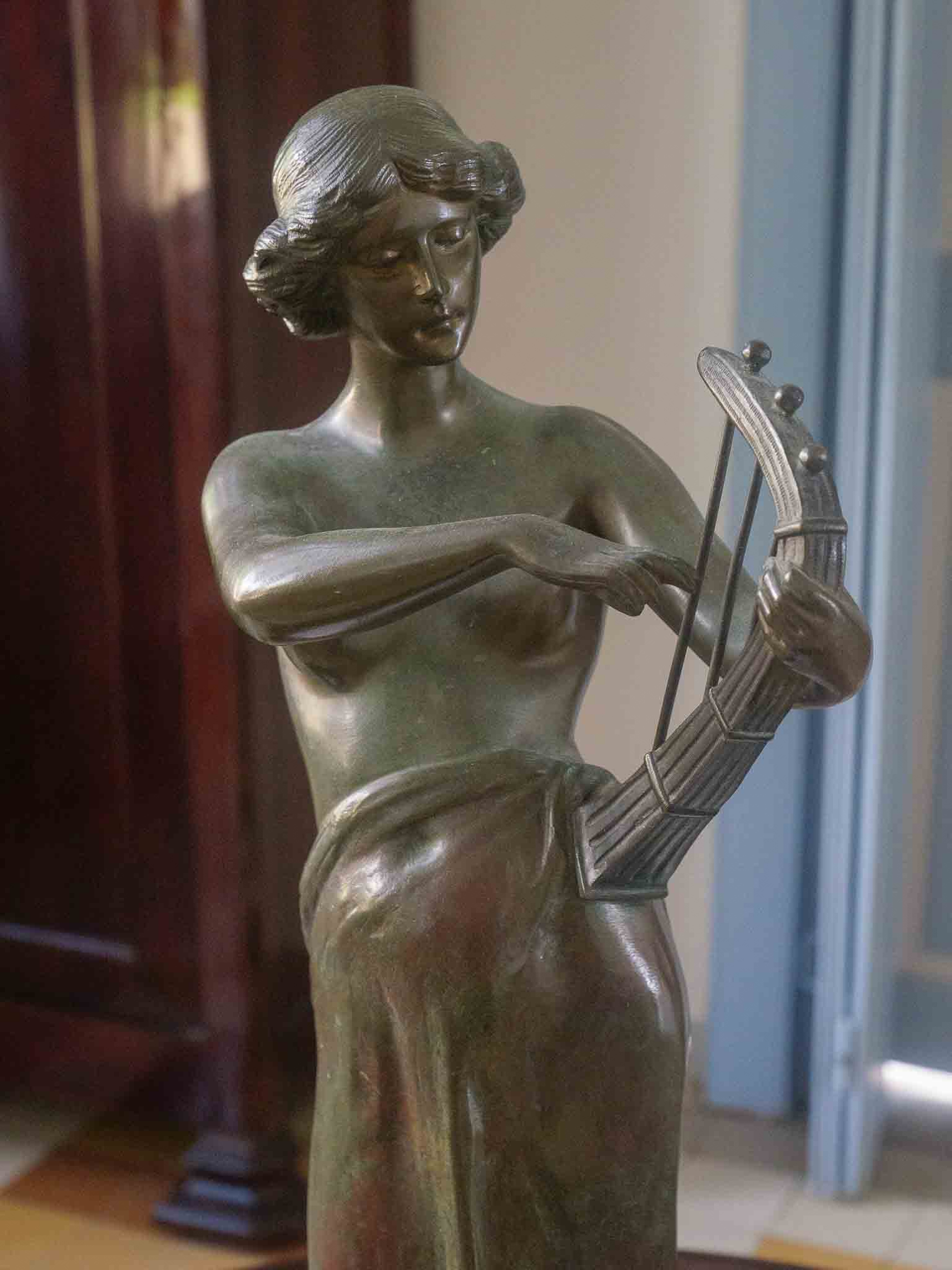
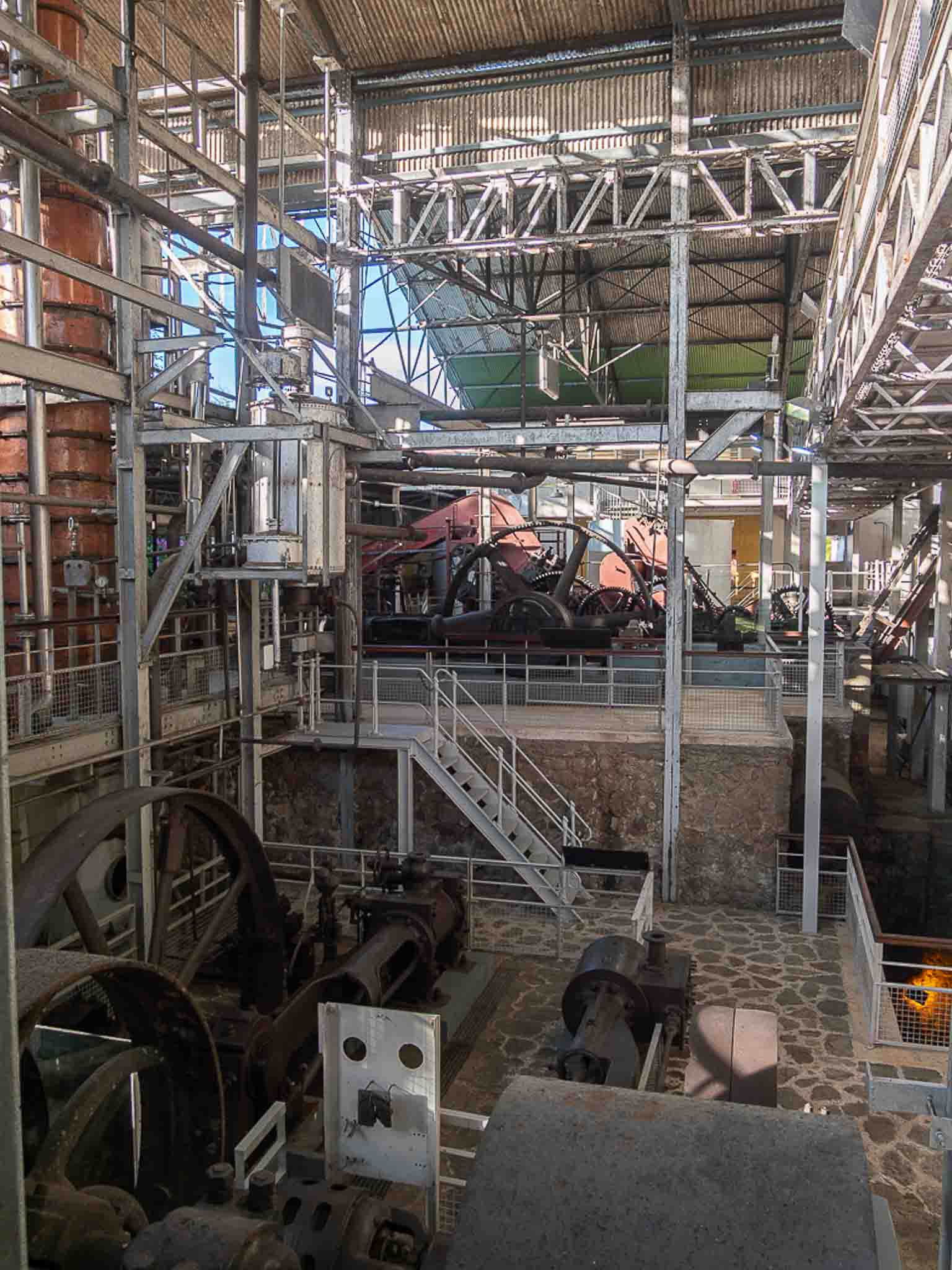
Why is the estate worth the detour? The classified botanical park spans over 40 verdant acres (16 hectares). Additionally, the lush gardens house the famous Fondation Clément, which is entirely dedicated to contemporary art. Here, you will discover magnificent sculptures integrated directly into the vegetation. Next, the pathway allows you to understand the old rum-making process thanks to perfectly preserved antique machinery. A short exhibition also retraces the estate’s complex past and the hard labor of sugarcane workers. Finally, the traditional master house is restored with absolutely remarkable care.
Our personal opinion: This is an incredibly rich cultural and heritage visit. Visually speaking, the estate proves to be absolutely sumptuous to explore. Regarding the tasting, their rums rank second on the island for us. In fact, their blends come right behind J.M in terms of sheer quality and elegance. Thus, touring the cellars and enjoying the final tasting are heavily worth the trip.
Our recommendations:
Plan for at least two to three hours to properly visit the park, art galleries, and the Creole house.
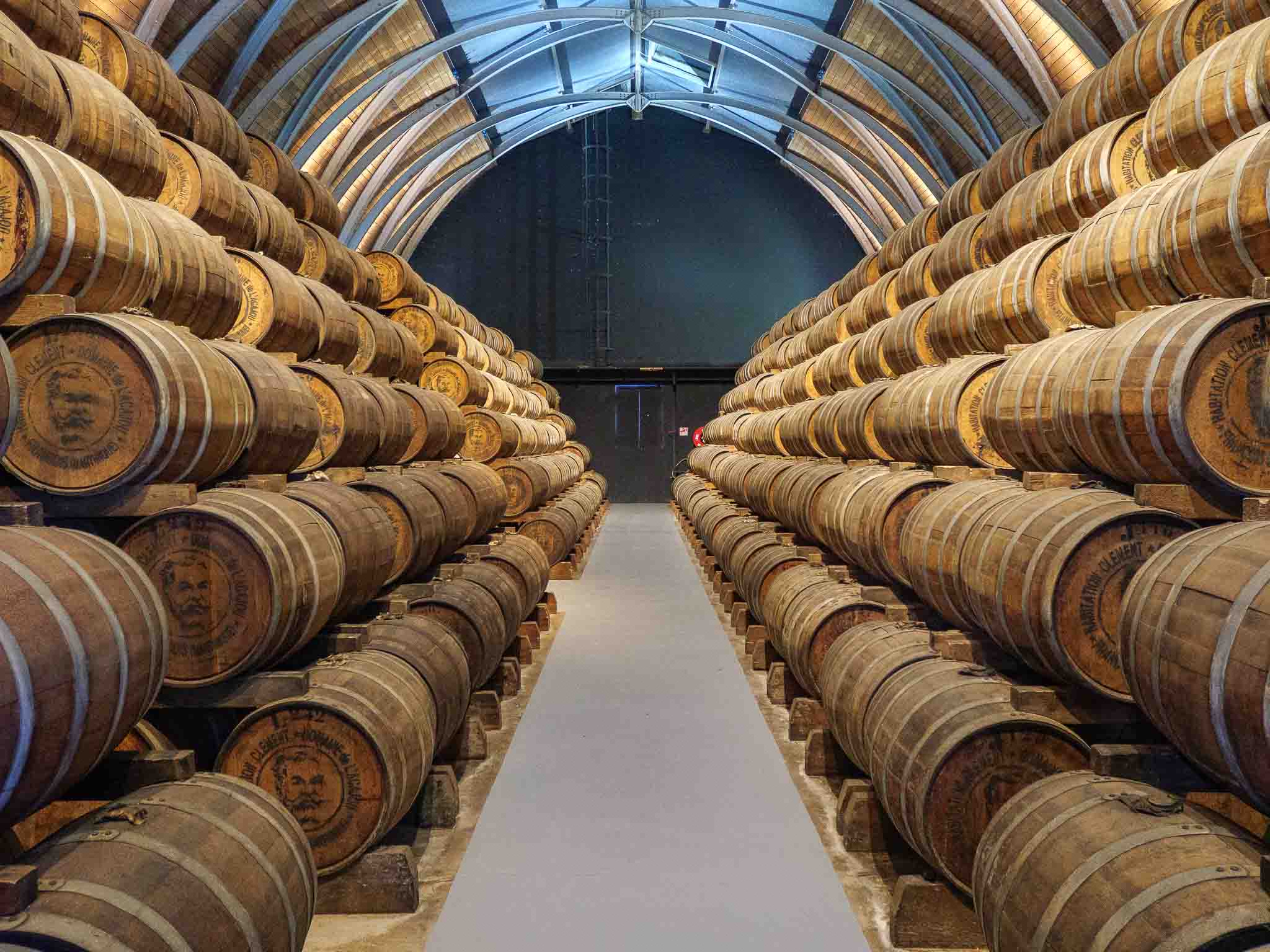
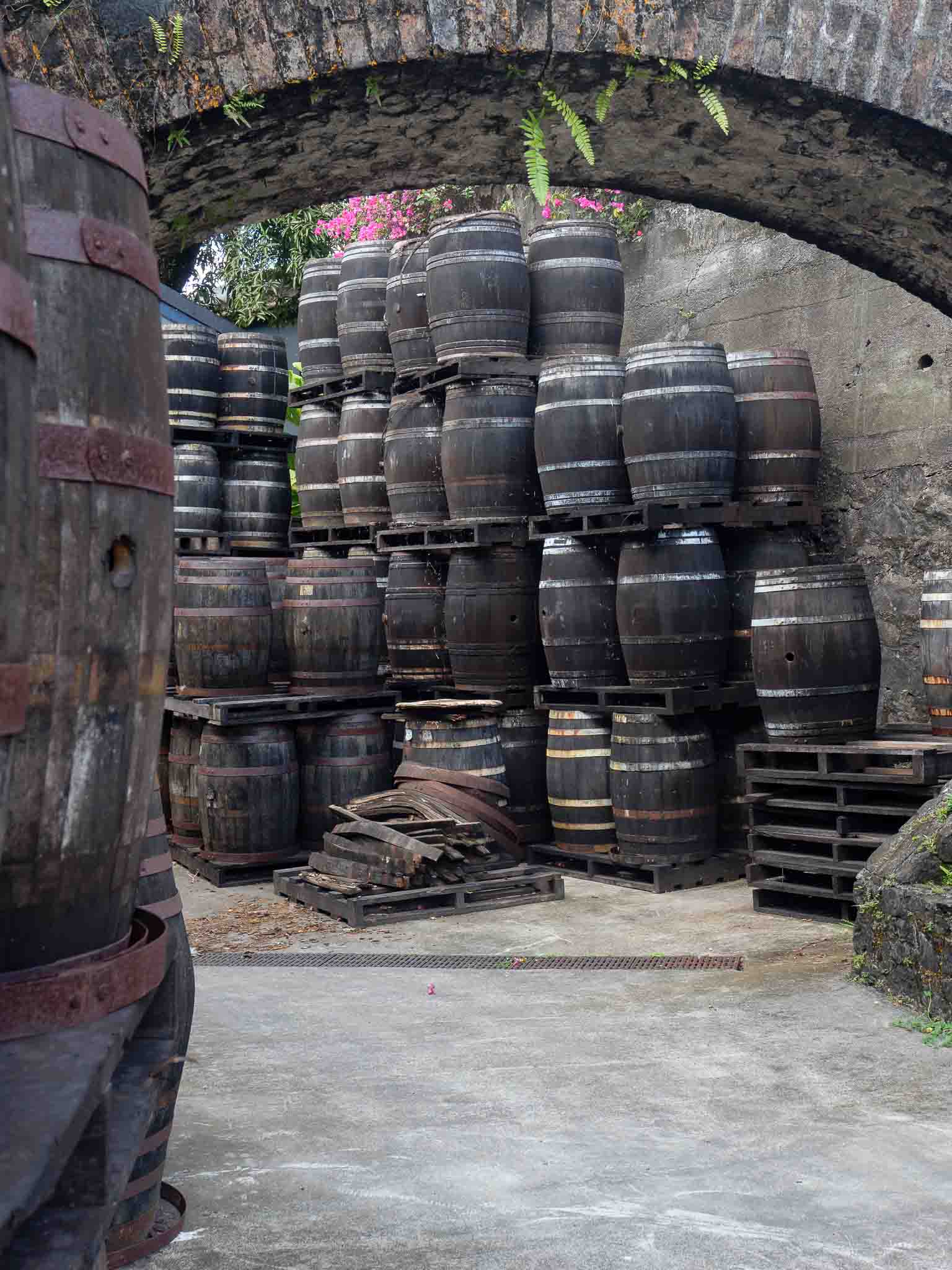
Furthermore, take the time to observe the highly impressive oak barrels resting in the aging cellars.
Practical Information:
Price: The full tour requires an entrance fee of ~$14 USD (€13 per adult, tasting included).
Hours: Open 7 days a week from 9:00 AM to 6:00 PM all year round.
Website : habitation-clement.fr
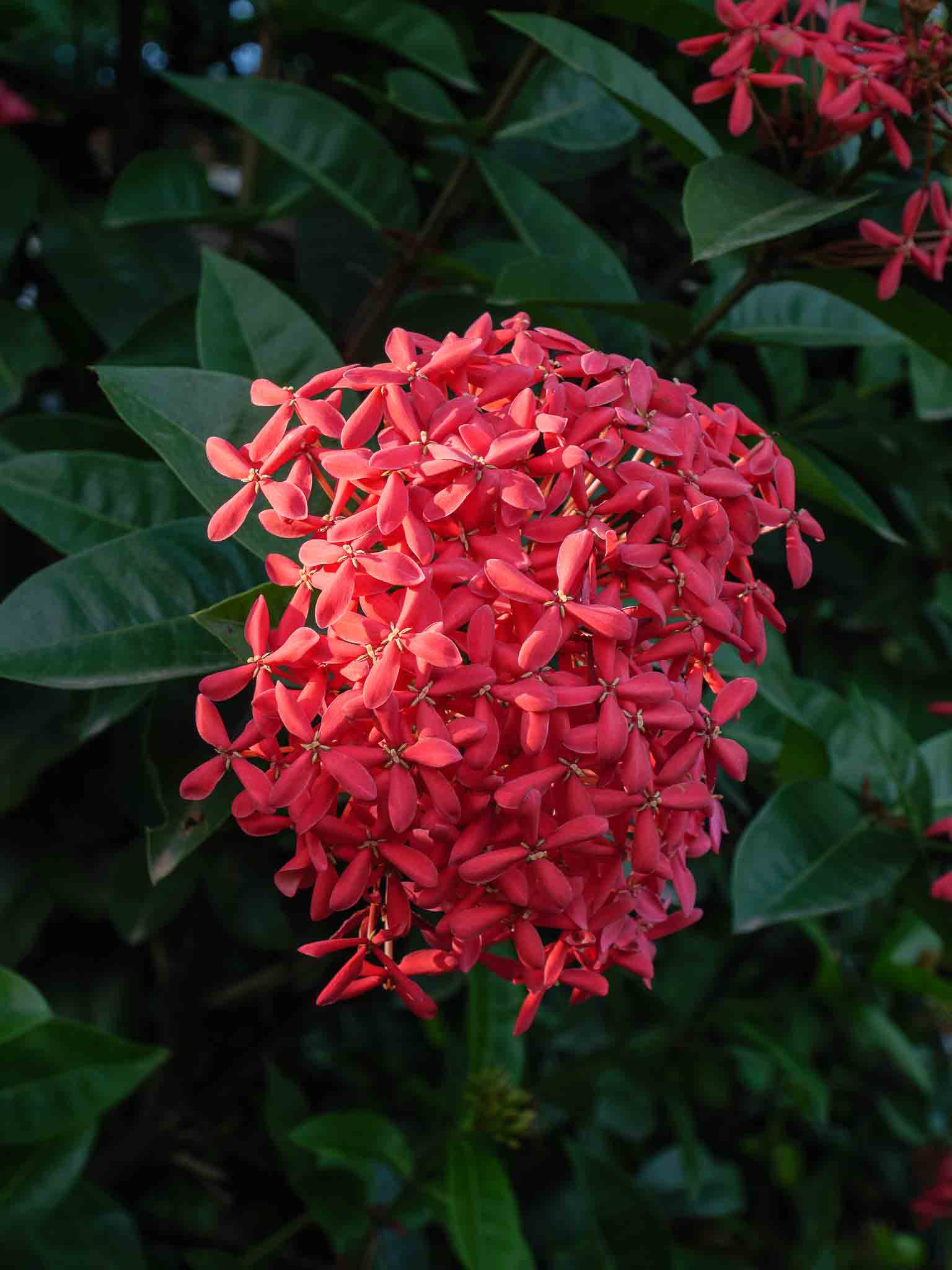
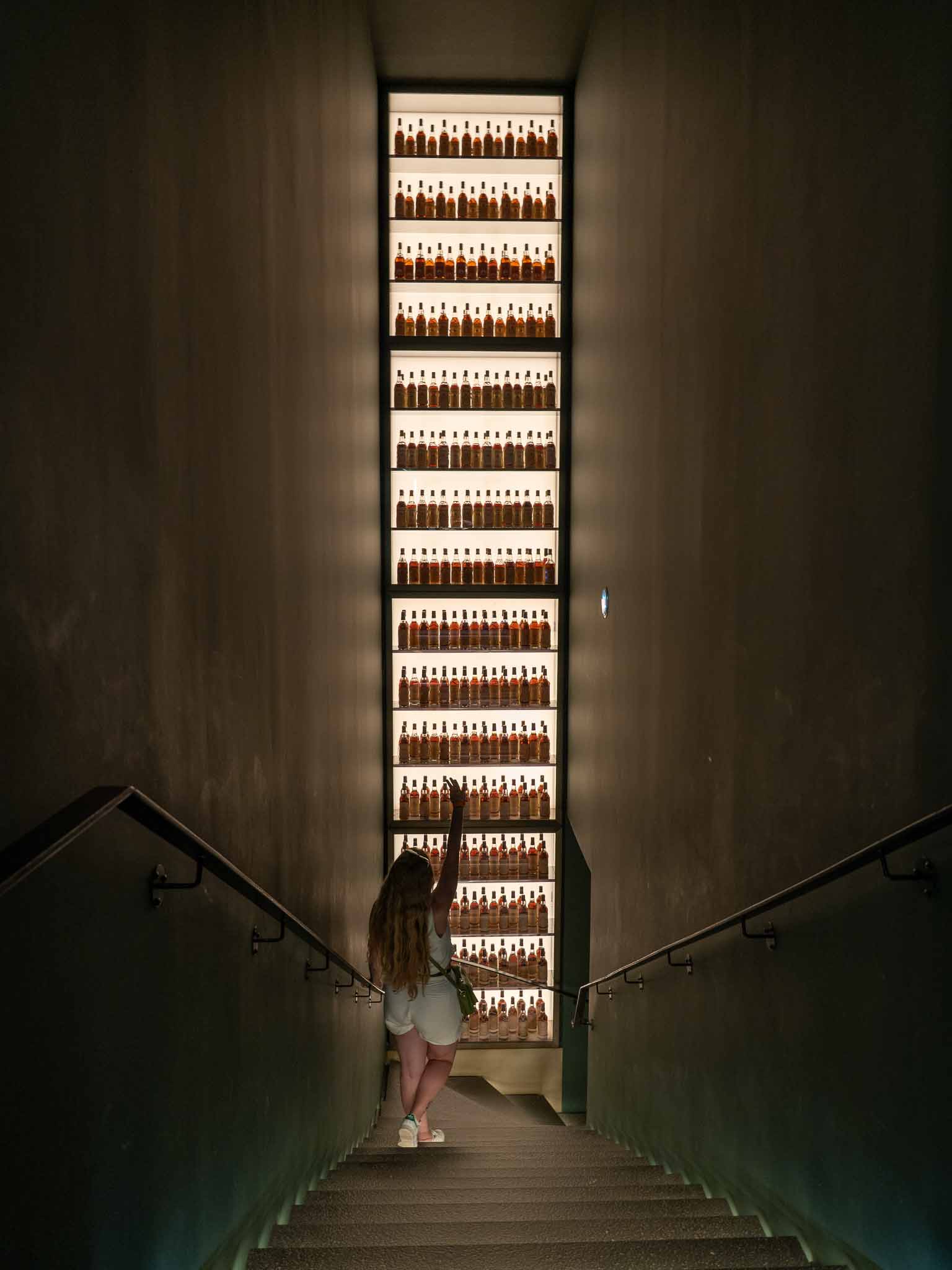
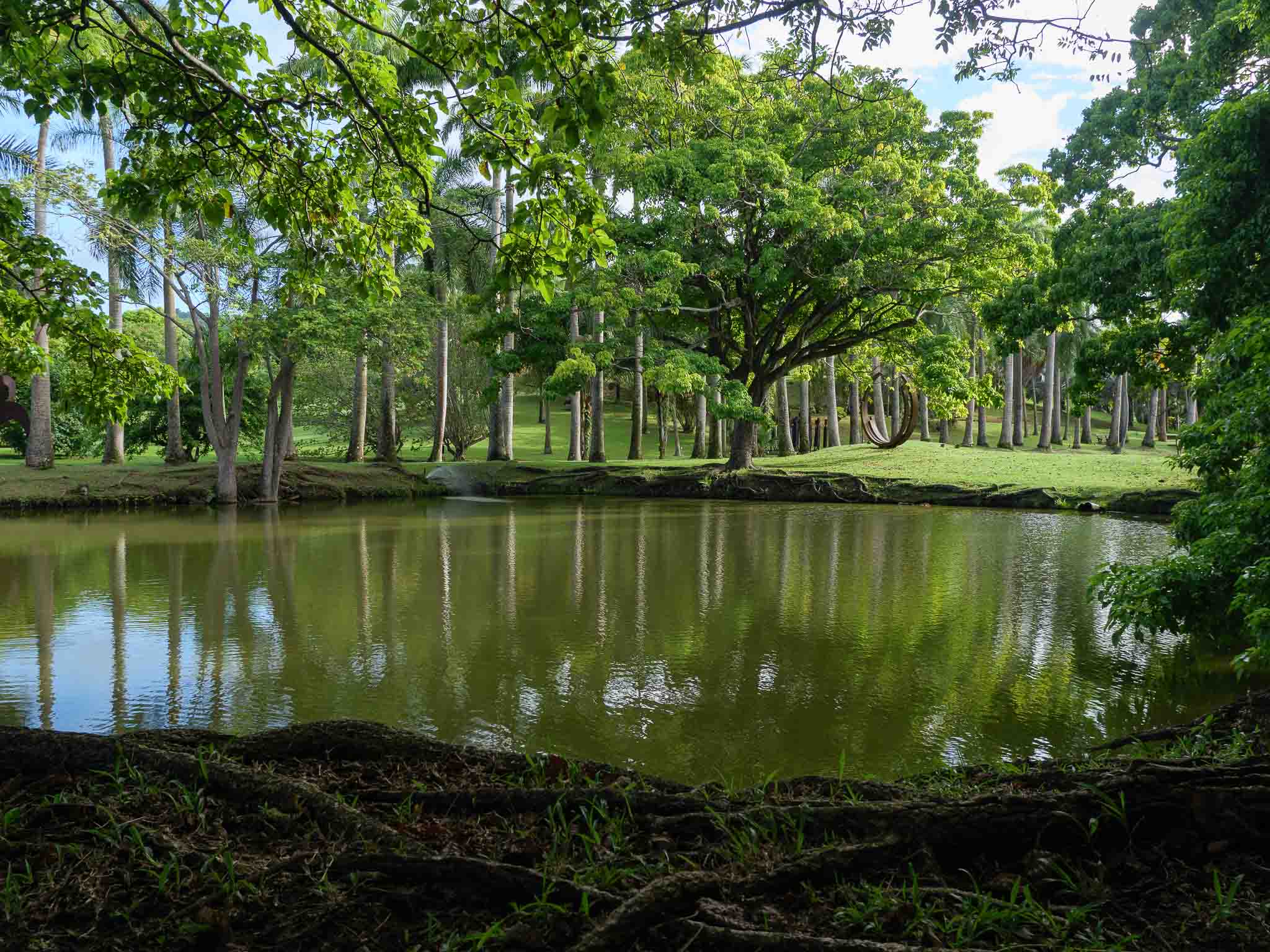
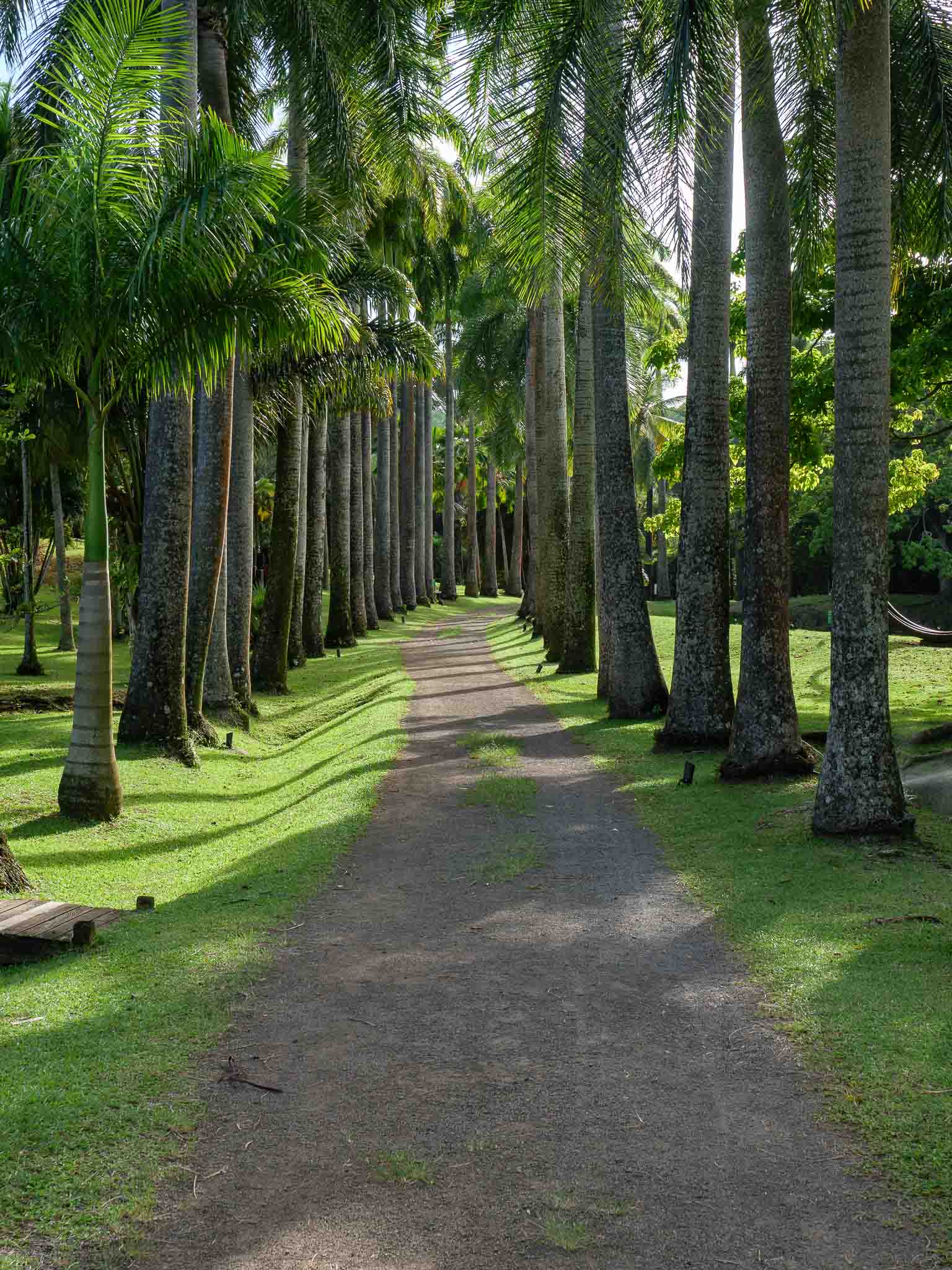
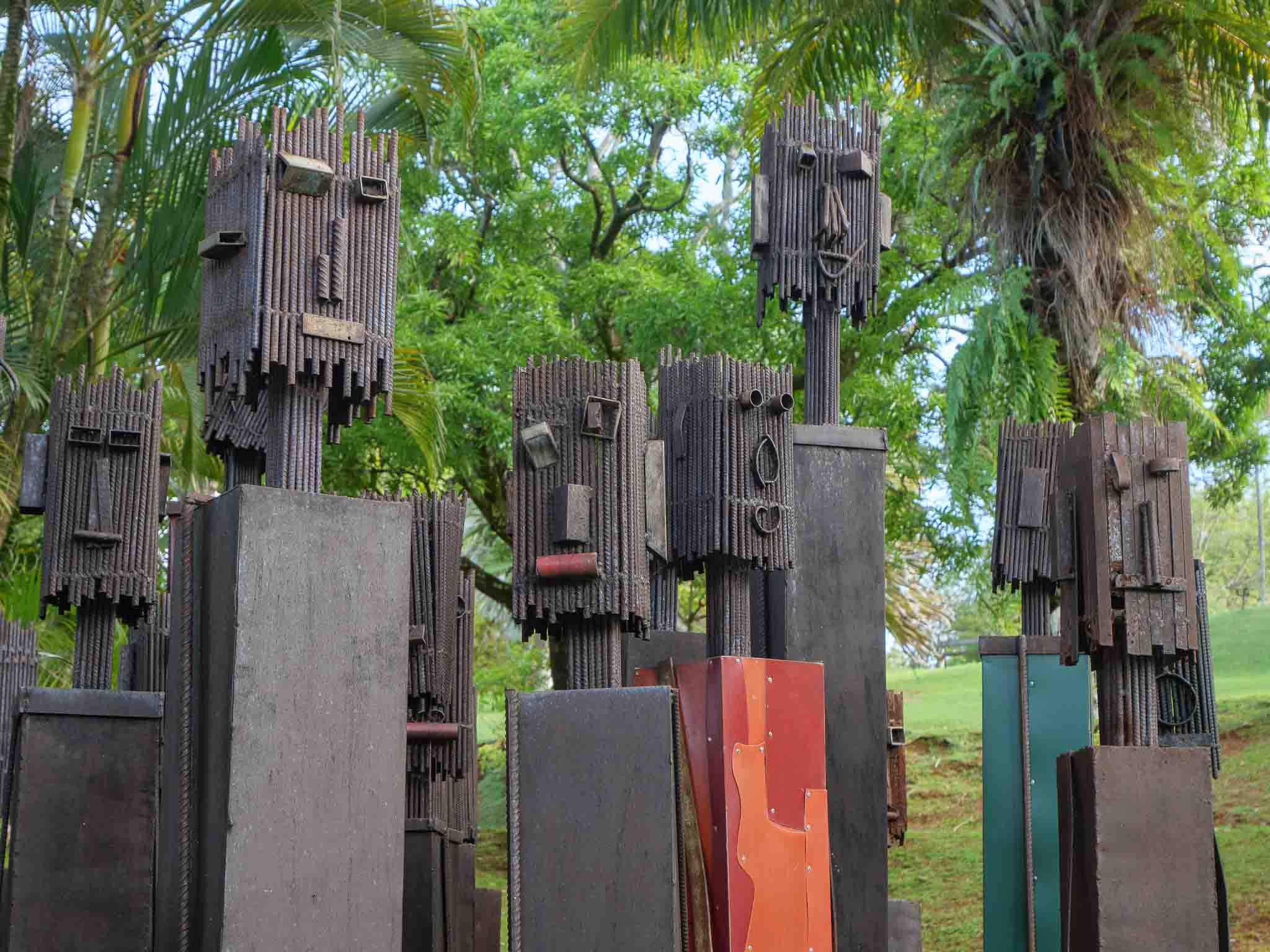
4. Habitation HSE (Gros-Morne): A Lush and Creative Gem
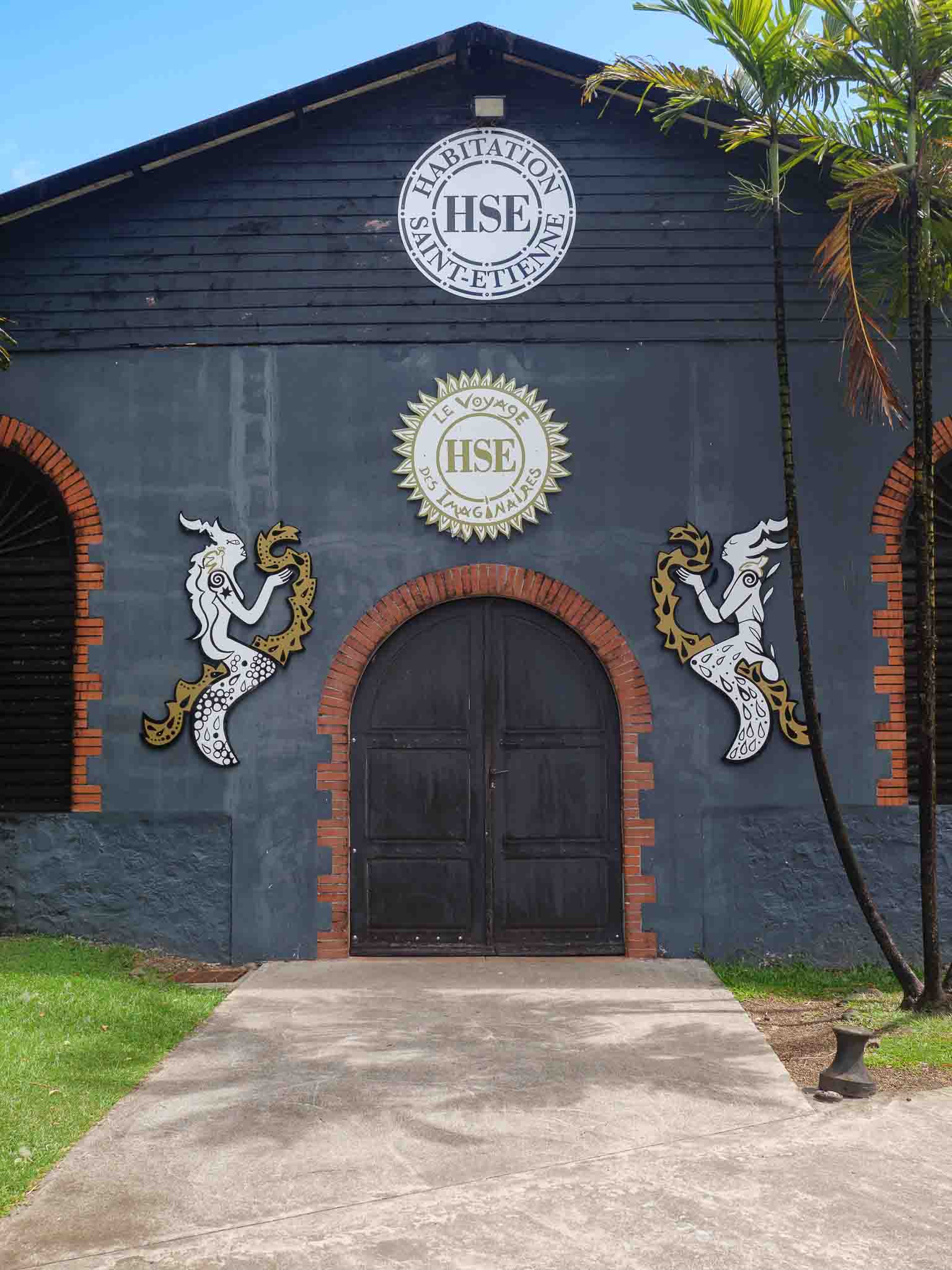
Habitation Saint-Étienne (HSE) was founded in the 19th century directly on the site of a former sugar refinery. In 1994, the Hayot family purchased this estate located in Gros-Morne. Ultimately, they beautifully renovated the location by blending contemporary art with deep agricultural traditions.
Why is the estate worth the detour?
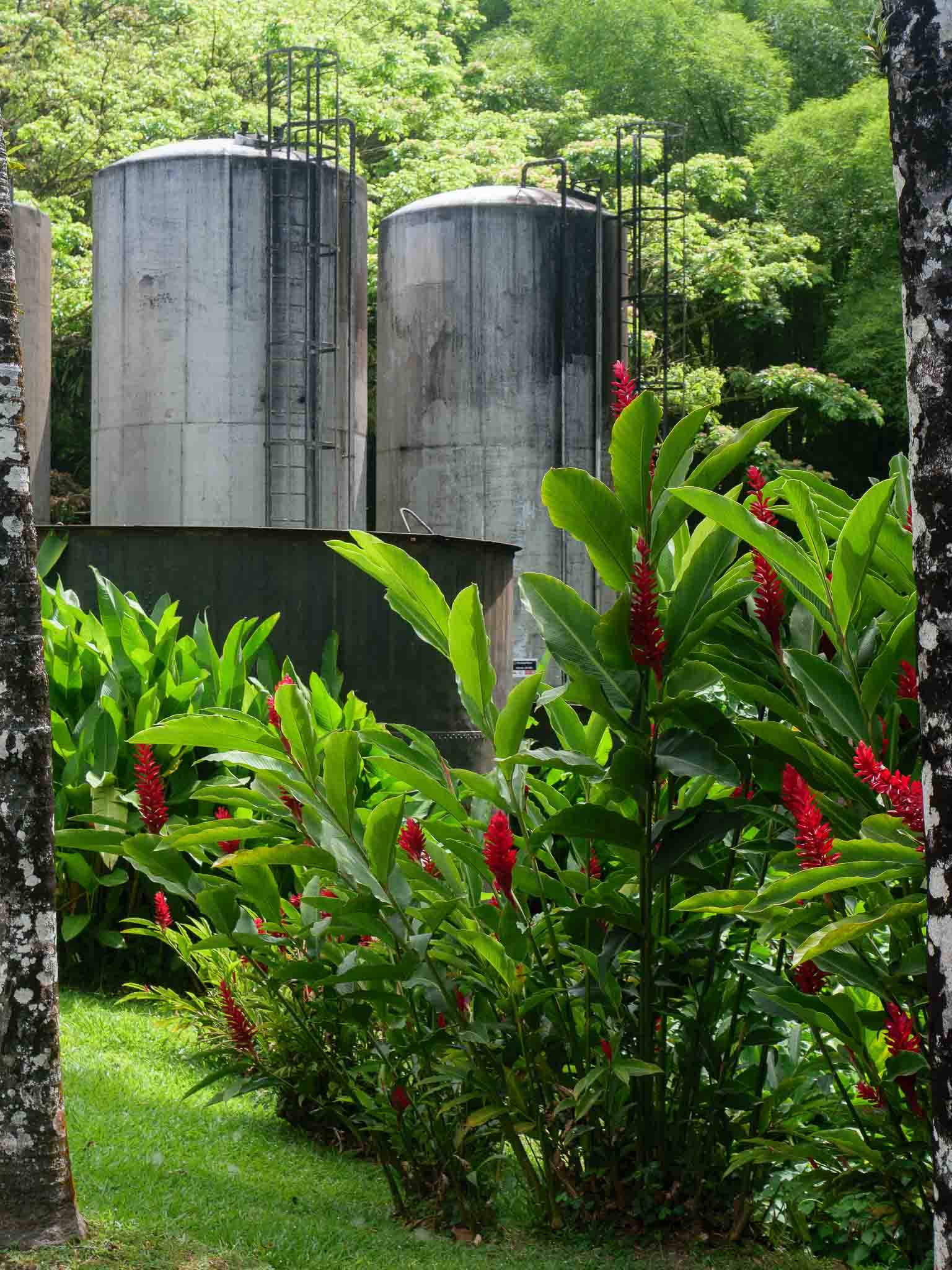
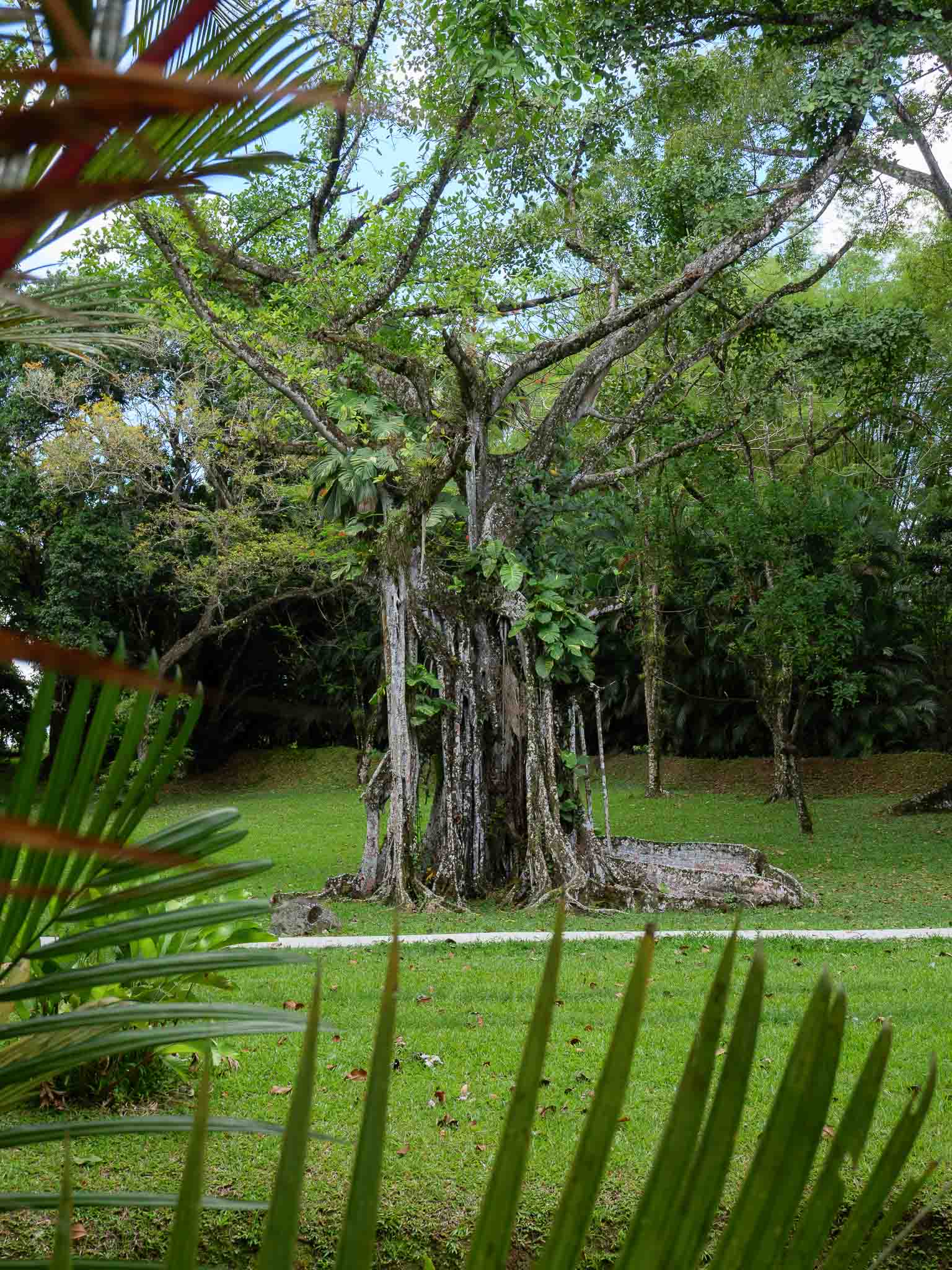
We discovered this estate completely by chance. Indeed, we were heading to an agricultural fair in Sainte-Marie at the time. It turned out to be a wonderful surprise from the moment we arrived. Moreover, the pathway through the gardens proves to be absolutely splendid. You will admire numerous remarkable tropical trees along the way. Furthermore, the spectacle becomes particularly magical during the blooming season. Additionally, the gardens frequently host gorgeous temporary art exhibitions.
Our personal opinion: The tasting portion revealed itself to be a truly great surprise. Indeed, the reception area remains warm and particularly pleasant. Furthermore, the estate offers highly original activities. For instance, you can book mixology workshops to learn how to create unique rum cocktails.
Our recommendations:
Stroll extensively through the botanical park to fully admire this exceptional vegetation.
Also, inquire well in advance if you wish to participate in an on-site cocktail workshop.
Practical Information:
Price: Access to the botanical gardens, art exhibitions, and the tasting are completely free.
Hours: Monday to Saturday from 9:00 AM to 5:00 PM (Closed on Sundays).
Website : rhums-hse.com
5. La Mauny Distillery (Rivière-Pilote): The Southern Family Stop
Founded in 1749 by the Count of La Mauny, this historic estate stands out as a true southern reference. Thus, the plantation has continuously produced highly renowned agricultural rums for over two centuries.
Why is the estate worth the detour?
This is a site particularly focused on warmly welcoming families. Moreover, a small tourist train takes you directly into the heart of the sugarcane fields. This fun, highly educational ride will surely please children and adults alike. Afterward, you can very easily combine this stop with a stroll through the charming village of Rivière-Pilote.
Our personal opinion: To be completely transparent, we haven’t yet tested the fully guided tour of the distillery itself. Indeed, we only visited the boutique to restock our supply of spiced rum (which is the absolute perfect rum for your cocktails!). However, the highly welcoming atmosphere of the location already pleased us immensely. Consequently, we cannot wait to return to complete the full circuit!
Our recommendations:
Board the small tourist train for a highly original family experience.
Then, head down to stroll through the lively local market in the town of Rivière-Pilote.
Practical Information:
Price: Boutique access is free. The guided tourist train tour costs ~$9 USD (€8 per adult).
Hours: Monday to Saturday from 9:00 AM to 5:00 PM (Closed on Sundays).
Website : rhum-lamauny.com
Conclusion: Which Distillery Should You Visit?
Visiting a distillery remains an absolutely essential milestone during any trip to Martinique. Indeed, every single estate possesses a deeply unique history and a distinct charm of its own.
In our opinion, it is particularly interesting to combine two highly complementary visits. For instance, prioritize an estate preserving antique machinery like Clément. Then, discover a domain featuring fully active, modern installations like Depaz. By doing so, you will perfectly understand the evolution of sugarcane processing over time.
To further enrich the rest of your stay, be sure to check out our curated selection of the 10 must-do activities in Martinique. Moreover, do not hesitate to consult our complete guide to organizing your trip to Martinique. There, you will find all our logistical tips to flawlessly plan your exploration days on the island.
FAQ: Everything You Need to Know About Visiting Distilleries
Are distillery tours free in Martinique?
Generally speaking, access to the boutiques and the rum tastings remains completely free across the island. However, several estates offer paid cultural or guided tours. This is notably the case for the extensive art park at Habitation Clément or the tourist train ride at La Mauny. Therefore, always check in advance depending on the specific type of visit you want.
When is the best time to see the distilleries operating?
To see the machines running and smell the fresh sugarcane juice, you must visit during the harvest season (known locally as the campagne sucrière). This period typically runs from February to June.
How many liters of rum can I bring back in my checked luggage?
For travelers returning to the United States, US Customs allows you to bring back 1 liter of alcohol duty-free per adult (over 21). You can technically bring back more for personal use, but you may be subject to a small duty fee (usually just a couple of dollars per bottle) upon declaring it at the airport. Always ensure your bottles are securely packed in your checked luggage, as liquids over 3.4 oz (100ml) are strictly forbidden in carry-on bags.
Our other spots to Martinique :
10 Unique & Best Things to Do in Martinique (Tested by Us!)
10 Unique and Must-Do Activities in Martinique (Tested by Us!)Having lived in Martinique for over a year, the “Island of Flowers” serves as our daily exploration ground. From North to
5 Best Rum Distilleries in Martinique: Our Ultimate Guide
Which Distillery to Visit in Martinique? Our Top 5! Since moving to Martinique, we take immense pleasure in discovering its incredible local craftsmanship. Inevitably, we find ourselves regularly visiting distilleries
5 Easy Hikes in Martinique: Best Accessible Trails
Easy Hikes in Martinique: 5 Must-Do and Accessible Trails Exploring Martinique on foot remains one of the absolute best ways to truly understand the island. Over the months, we have
Welcome to Les Vadrouilles de Mbly! This travel blog is fully dedicated to authentic escapes and the sweet life. As an epicurean and nature lover, I explore Martinique and the rest of the world to share my greatest discoveries with you.
If you love uncovering charming accommodations, savoring local cuisine, and exploring off the beaten path, you have definitely come to the right place! Be sure to follow me on social media to experience all our daily adventures together.