Visiting La Savane des Esclaves in Trois-Îlets: Complete Guide and Tips
Having walked this site several times to accompany our visiting loved ones, La Savane des Esclaves naturally stands out as an absolutely essential heritage stop in Les Trois-Îlets. This particularly well-designed open-air museum offers a deeply precious key to understanding the complex history of Martinique.
The flawless maintenance of the floral park and the meticulous reconstruction of traditional dwellings make the stroll as enriching as it is pleasant. Furthermore, the sheer wealth of information transmitted is so vast that you continuously rediscover new details during every single visit.
Embark directly with us for a highly captivating immersion right into the heart of the island’s memory and deep traditions!
In this guide
1. A Heritage Project Dedicated to Memory and Past Lifestyles
La Savane des Esclaves officially opened its doors in the early 2000s under the passionate leadership of Gilbert Larose. Located high on the verdant hills of Trois-Îlets, this 7.5-acre (3-hectare) estate houses the meticulous reconstruction of a traditional rural village.
The Initiative of a Martinican Culture Enthusiast
Driven deeply by a strong desire to preserve the collective memory, the founder shaped the entire site using his very own hands. He actively employed ancestral construction techniques to faithfully restore the rural architecture of the past.
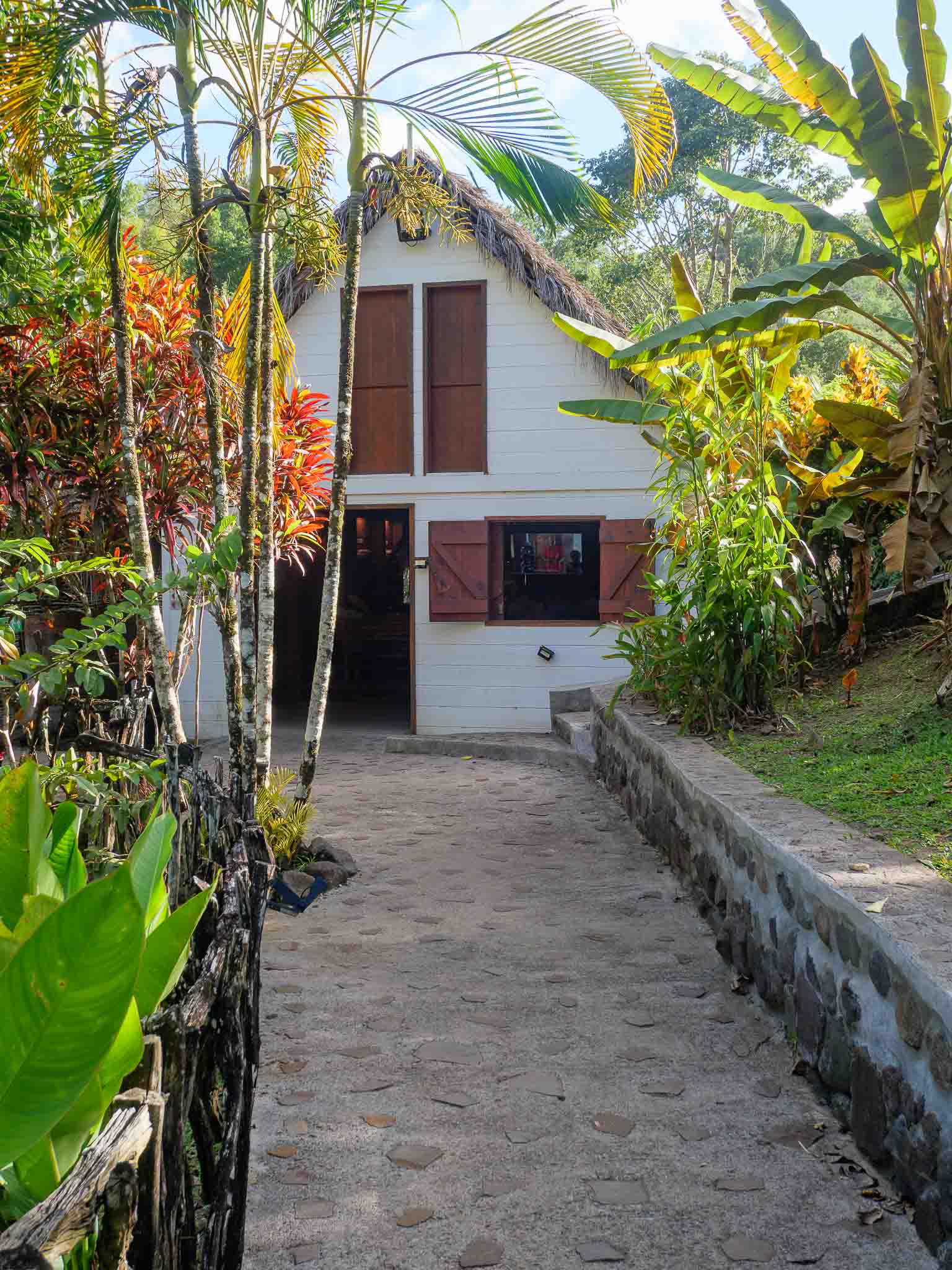
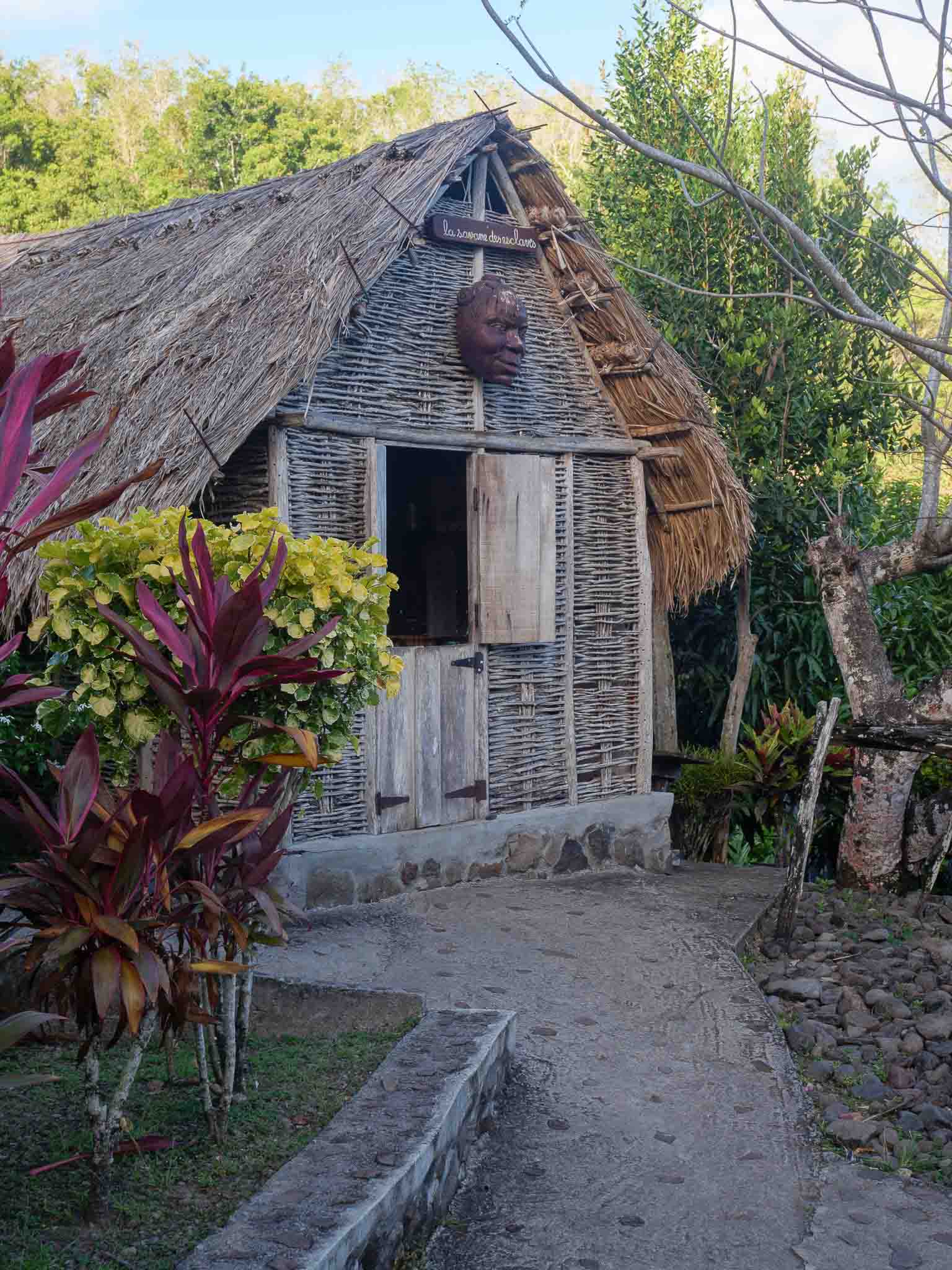
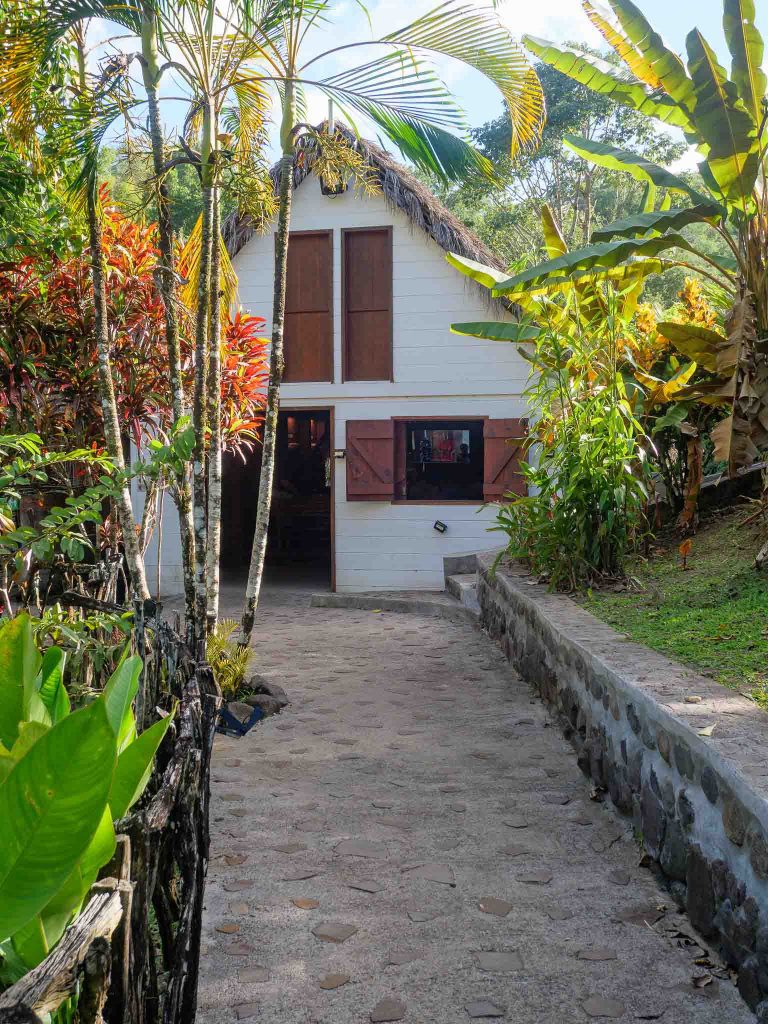
The wooden huts (cases), traditionally covered with sugarcane or vetiver leaves, beautifully testify to a remarkable local know-how. Consequently, each specific layout accurately illustrates daily life, housing, and agricultural work across different distinct eras of the island.
Four Centuries of History Retraced Outdoors
The educational trail smoothly covers more than four hundred years of Caribbean history. Specifically, the visit begins by detailing the lifestyle of the Amerindian populations, who were the very first inhabitants of Martinique. Afterward, it thoroughly addresses the dark period of slavery and the complex organization of the colonial plantations.
Next, the pathway beautifully highlights the post-abolition period from 1848 up until the mid-20th century. Ultimately, the permanent exhibition places a strong emphasis on rural autonomy, the clever use of medicinal plants, and the vital transmission of popular traditions.
2. An Open-Air Trail Between Traditional Huts and Medicinal Gardens
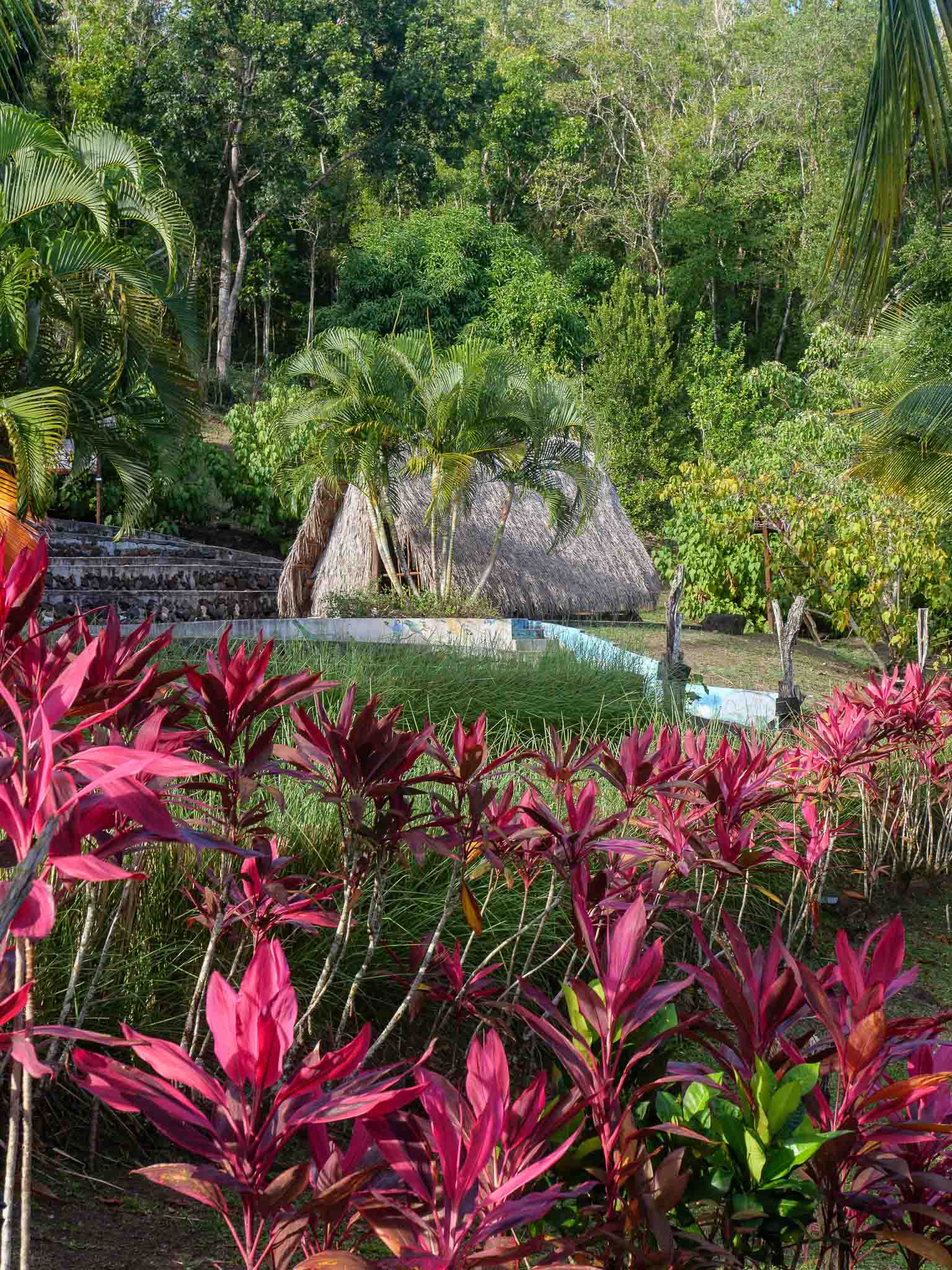
The route is beautifully organized along landscaped paths crossing a lush green valley. The entire visit takes place outdoors, right in the middle of carefully maintained tropical vegetation.
Immersion in the Traditional Village
As you walk peacefully through the alleys, you will discover over twenty precisely reconstructed traditional wooden huts. These buildings cleverly use original natural materials such as thick bamboo, packed earth, and sturdy mangrove wood.
Life-size figures and illustrated educational panels closely accompany your stroll. Indeed, these highly immersive scenes address concrete aspects of daily life, such as making cassava flour, working the hard soil, or weaving cypress leaves.
The Creole Garden and Traditional Pharmacopoeia
Throughout the pleasant walk, the path gently winds through a vast Creole garden. The agricultural plots gather numerous plant species historically used for both daily food and holistic health.
Here, you will easily observe vital food crops like raw cacao, cotton, okra, and annatto (roucou). Moreover, a very large section is entirely dedicated to traditional medicinal plants. Detailed informational cards explain the therapeutic virtues of each specific variety and their highly essential role in the autonomy of past rural communities.
3. Historical Exhibition and Gourmet Break: Our Favorites
An Illustrated Fresco: 400 Years of History and the Duty of Memory
Among the most striking elements of the trail is a long series of large painted panels designed in a comic-book style. Created with immense historical precision, these vibrant illustrations chronologically retrace four hundred years of the Martinican people’s evolution.
The site grants an absolutely essential place to the slavery period, powerfully underlining the deep importance of the duty of memory. From the early Amerindian civilizations to the tragic slave trade, and then from the 1848 abolition to 20th-century rural life, every single stage is explained rigorously. Ultimately, the clever combination of colorful illustrations and educational texts allows you to process these heavy themes fluidly, making it particularly accessible for young children.
A Refreshing Break on the Estate's Heights
Upon reaching the very top of the trail, a highly pleasant shaded stop welcomes you to perfectly conclude the walk. It is undeniably the perfect place to grant yourself a well-deserved rest after climbing out of the valley.
A small wooden kiosk offers a great selection of fresh local fruit juices, prepared directly on-site using seasonal products. Sipping a cold passion fruit (maracudja) or West Indian cherry juice while enjoying the unobstructed view of the surrounding hills constitutes a true moment of pure pleasure.
4. Our Practical Tips for a Successful Visit
To fully enjoy this open-air immersion, proper logistical preparation is essential. The natural configuration of the valley and the humid tropical climate require a few very simple precautions.
Choosing the Right Time: Light and Temperatures
The estate is located deep inside a valley where the heat quickly becomes intense during the middle of the day. Prioritize arriving right at the 9:00 AM opening time, or alternatively in the mid-afternoon around 3:00 PM.
These specific time slots offer significantly milder temperatures for walking the dirt trails. Furthermore, the gorgeous golden lights of the morning or late afternoon beautifully magnify the tropical vegetation and the aged wood of the huts.
Essential Gear: Sun, Water, and Mosquitoes
Because the trail takes place entirely outdoors (aside from the short presentation video), wear highly comfortable walking shoes or sneakers. The terrain naturally features a few steep slopes and stone steps.
Remember to pack a full water bottle, a wide-brimmed hat, and strong sun protection. Applying a good mosquito repellent also proves highly recommended to explore the shaded areas of the Creole garden with complete peace of mind.
Visit Duration and Pace of Discovery
Expect to spend a minimum of two to three hours on-site to fully tour the park and read the various educational panels. The sheer density of historical information strongly encourages you to take your time. Additionally, small artisan boutiques invite visitors to stroll peacefully in different parts of the site.
The main route remains accessible with a sturdy all-terrain baby stroller, even though a few inclined sections require a slight physical push. Consequently, adapting your walking pace will comfortably allow you to absorb the site’s immense richness under excellent conditions.
5. What to Do Nearby? Our 1-Day Itinerary in Trois-Îlets
To cleverly compose a well-balanced day combining deep history, local crafts, and pure relaxation, the municipality of Trois-Îlets offers a remarkable variety of nearby activities.
Step 1: Cultural Morning at La Savane des Esclaves
Start your journey right when the site opens at 9:00 AM. Take full advantage of the morning freshness to walk the estate, read the historical panels, and taste a fresh fruit juice at the top of the park.
Step 2: Stroll and Lunch at the Pottery Village
Just a quick five-minute drive away, head over to the Village de la Poterie (Pottery Village). Explore the creators’ shops, closely observe the potters’ daily work, and unearth pretty handmade souvenirs.
For your midday break, sit down in one of the estate’s charming restaurants located directly under the red brick arcades. The overall atmosphere there remains highly pleasant and wonderfully shaded.
To learn more: Be sure to consult our dedicated article about the Pottery Village!
Step 3: Afternoon Relaxation and Swimming
Conclude your busy day beautifully on the Caribbean coastline. Several fantastic options are available to you depending on your current mood:
Anse Mitan or Pointe du Bout: Absolutely ideal for a highly refreshing swim and enjoying a seaside ice cream.
Les Anses d’Arlet: Located about fifteen minutes away by car, these famous bays perfectly suit travelers wanting to observe sea turtles equipped with a simple mask and snorkel.
Final Words: An Essential Memorial Stop