
The Ultimate St. Lucia 5-Day Itinerary: Our Favorite Spots
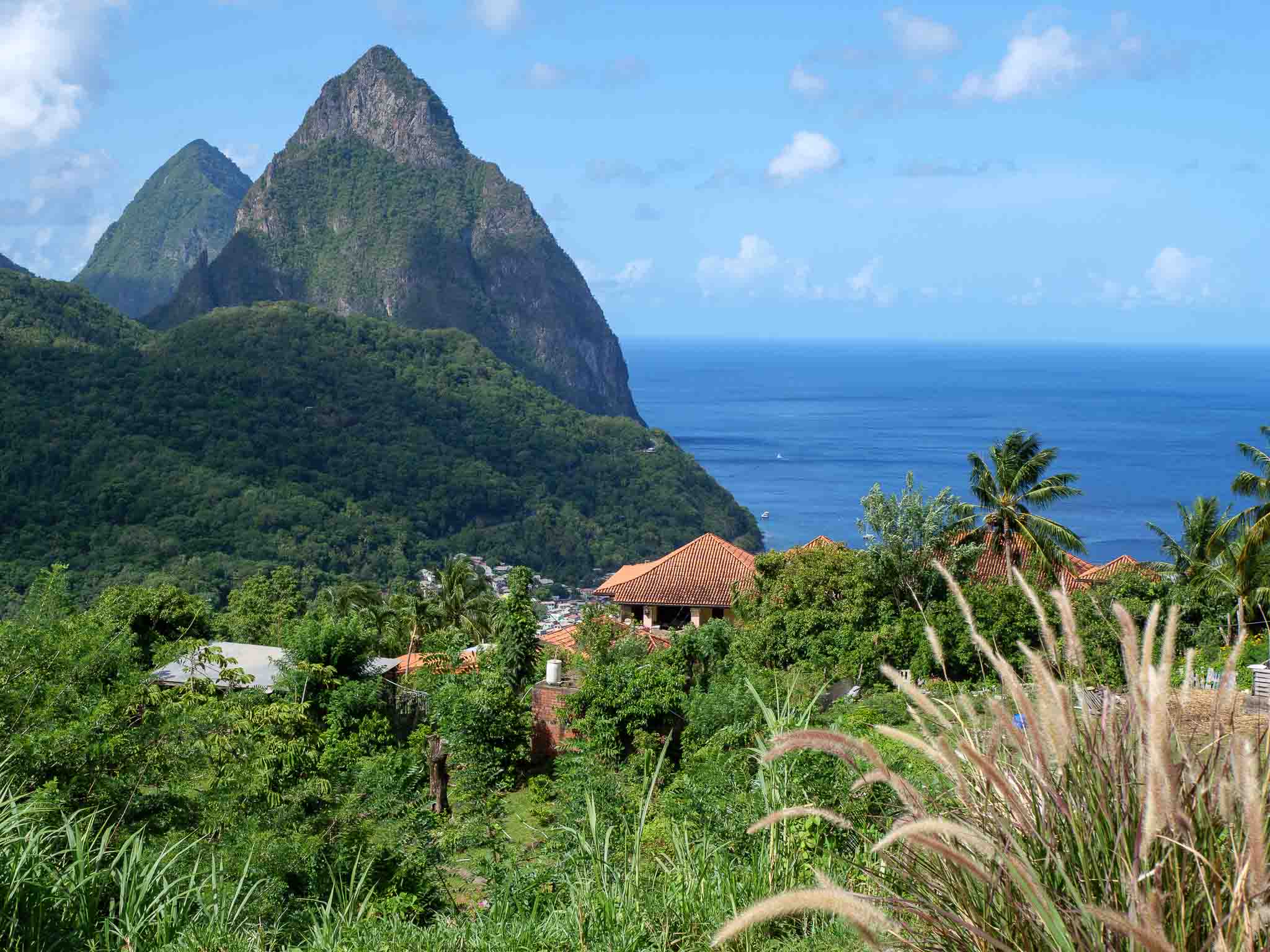
Are you looking for a magical getaway in the heart of the Caribbean? St. Lucia is simply a fascinating destination. We recently returned from an intense 5-day road trip (2026) across this neighboring island, and the wild, untamed south literally took our breath away. Between the majestic UNESCO World Heritage Pitons, active volcanoes, and lush bays, the scenery is straight out of a fairy tale.
An Island Easily Accessible for Island Hopping
Living in the neighboring French West Indies, we loved the proximity of this destination. You can reach St. Lucia very quickly by ferry or a short flight. It’s the perfect getaway if you are already visiting Martinique or staying in Guadeloupe. In just a few hours of travel, you’ll experience a completely different world.
Nature and Magic in the South
During these 5 days, we explored the island from north to south. However, the Soufriere region remains our absolute favorite. The nature there is raw, wild, and majestic. Moreover, St. Lucian culture offers a warm welcome and incredibly flavorful cuisine.
In this comprehensive guide, we share our detailed day-by-day itinerary, along with all our practical tips and the best spots we personally tested. Ready to embark on a 5-day dream trip? Follow our guide to organize your St. Lucia vacation with total peace of mind!
In this article
Practical Information: Preparing Your Trip to St. Lucia
What to Do in St. Lucia in 5 Days: The Must-Sees
Conclusion: Is 5 Days Enough to Visit St. Lucia?
Frequently Asked Questions: Preparing Your Trip to St. Lucia
Practical Information: preparing your trip to St. Lucia
Book your trip in a few clicks
Visiting St. Lucia requires a bit of logistical preparation. The island has its own rules and specificities. Here is everything you need to know before packing your bags.
To help you organize your stay in St. Lucia, we have gathered all the useful links in this section to book your trip in just a few clicks.
Disclosure: Some links in this article are affiliate links. By booking through our links, you support the blog via a small commission at no extra cost to you. Thank you for your support!
Book your ferry via Direct Ferries or your flight on Kayak.
Compare rental car rates on DiscoverCars.
Find your hotels in Soufriere and Gros-Islet using our recommendations.
Book your tours and activities on GetYourGuide.
How to Get to St. Lucia?
Located in the heart of the Lesser Antilles, the island is easily accessible from neighboring islands or mainland US and Europe.
From the US and Europe
Several major airlines offer direct flights to Hewanorra International Airport (UVF) in the south from major hubs like Miami, Atlanta, and New York. To compare flights and get the best value, we highly recommend using platforms like Kayak.
Island Hopping from Martinique and Guadeloupe:
Taking a ferry is the most popular option. “L’Express des Îles” connects Fort-de-France (Martinique) to Castries in just 1.5 hours. Ferries also run from Guadeloupe, but the crossing is much longer (about 6.5 hours). Regional flights are also available and take only 20 minutes from Martinique!
Getting around the island
To explore the island freely, renting a car is the best solution. Public transportation lacks flexibility for travelers. However, please be aware of the following:
In St. Lucia, you drive on the left side of the road, and the steering wheel is on the right! You will need a little time to adjust, so it’s important to feel comfortable with the idea of switching your driving habits.
The road network features many tight curves, and the terrain is particularly steep in the Soufriere region.
Secondary roads can be rugged (expect potholes!). Therefore, we strongly recommend renting an SUV or a small 4×4.
For your rental car, consider DiscoverCars!
For this trip, we chose to book our car with DiscoverCars. We loved how easy it was to compare different rental companies and vehicle models. The platform also clearly shows the insurance coverage options available. This is something we really appreciate when driving abroad. For the stress-prone among us, anticipating the unexpected makes for a much smoother road trip. Compare prices and book your car here.
Not comfortable driving on the left?
If you prefer not to drive, taxis are widely available. You can easily get around using a taxi per ride or hiring a driver for the day. Additionally, many full-day excursions are organized where providers pick you up directly from your hotel.
What are the entry requirements?
For US, Canadian, and European citizens, entry procedures are very simple. A valid passport is sufficient for a stay of less than 90 days. You must also present a return ticket upon arrival.
Don’t forget to fill out the online immigration form before boarding. (If you take the Express des Iles ferry, you’ll get a customs form at boarding—make sure to pack a pen!).
Logistics: Currency, Cell Service, and Traditions
Currency and Payments: The official currency is the Eastern Caribbean Dollar (XCD), but US Dollars (USD) are accepted everywhere. Credit cards are widely accepted. Just keep some cash for small local markets and beach bars.
Cell Service and Wi-Fi: Check if your domestic plan covers St. Lucia. If not, grab an international eSIM. Wi-Fi is standard in hotels and public places.
Language: English is the official language, though locals also speak St. Lucian Creole.
Power Outlets: St. Lucia uses Type G plugs (UK format). Make sure to pack a universal travel adapter!
Tipping: A tip of 10% to 15% is standard in restaurants.
Is St. Lucia safe?
St. Lucia is a very welcoming destination. Locals are incredibly warm and often strike up friendly conversations with visitors. We never felt unsafe and had a wonderful stay! However, always practice basic safety: do not leave valuables visible in your rental car and avoid isolated areas late at night.
How Many Days Should You Spend in St. Lucia?
We heard very mixed opinions before going. In our experience, a 5-day stay is perfect for discovering the island’s essentials without rushing. However, if you have more time, don’t hesitate to extend your trip to explore wilder trails off the beaten path.
What to Do in St. Lucia in 5 Days: The Must-Sees
During our trip, we spent two days in the North and three in the South. If we had to do it again, we’d definitely recommend making the North a quick stop and dedicating most of your time to the South—the true jewel of the island.
Our Quick Day-by-Day Itinerary
Day 1: Arrival in the North, overnight near Gros-Islet.
Day 2: Morning visit to Pigeon Island. Head South, stop at Marigot Bay, settle in Soufriere for sunset.
Day 3: Tet Paul Nature Hike in the morning, breakfast at La Haut Resort, mud baths at Sulphur Springs.
Day 4: Diamond Botanical Gardens, lunch at Seashell Beach, snorkeling at Sugar Beach.
Day 5: Snorkeling at Anse Chastanet, lunch at Fedo’s, and departure.
1. Pigeon Island: history and panoramas in the North
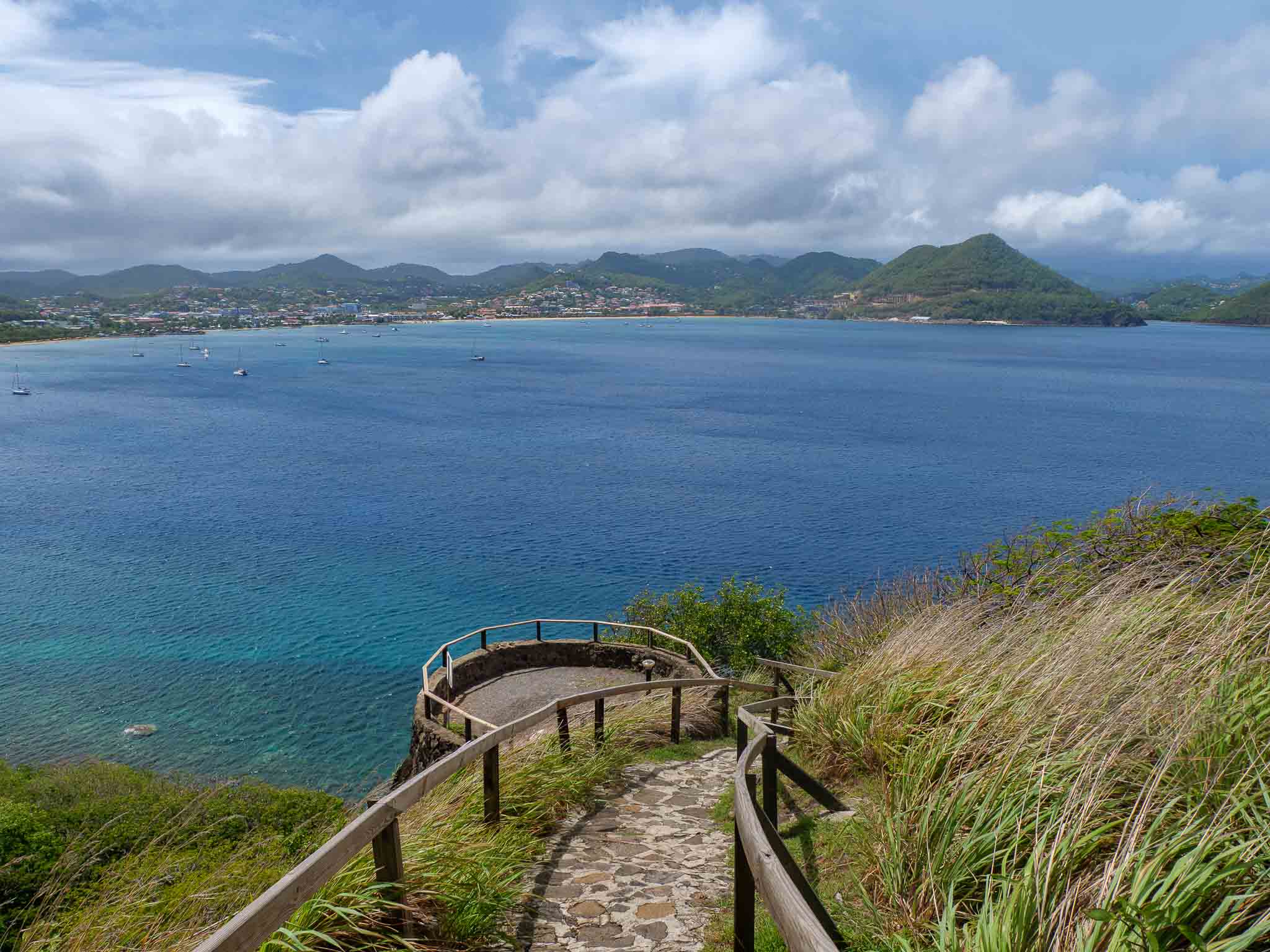
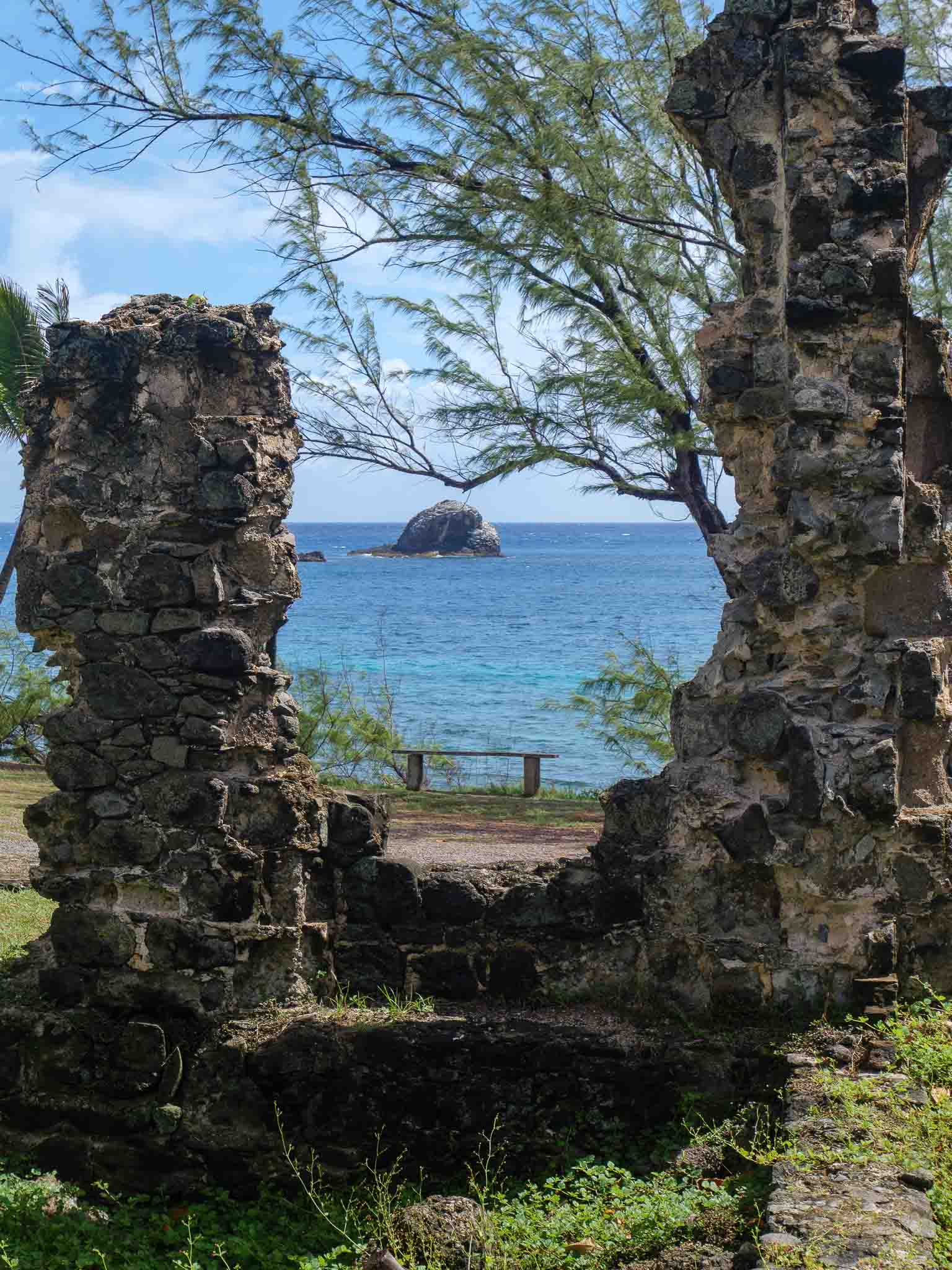
Located at the extreme northern tip of the island in the district of Gros-Islet, the Pigeon Island peninsula is a must-visit national park. Managed by the Saint Lucia National Trust, this site perfectly blends historical ruins, breathtaking panoramas, and peaceful beaches. We recommend planning a half-day to fully explore it.
What to See and Do on Site?
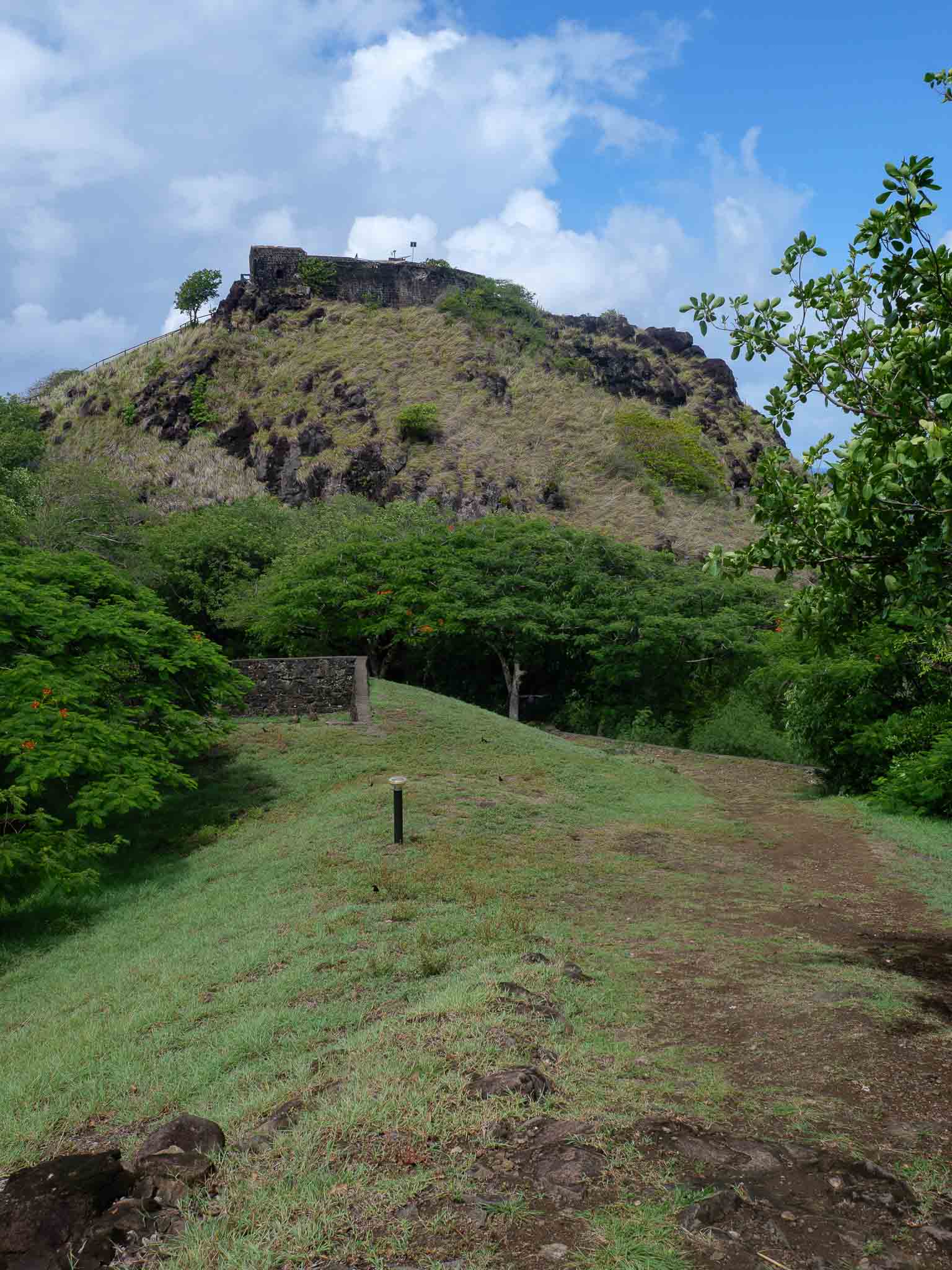
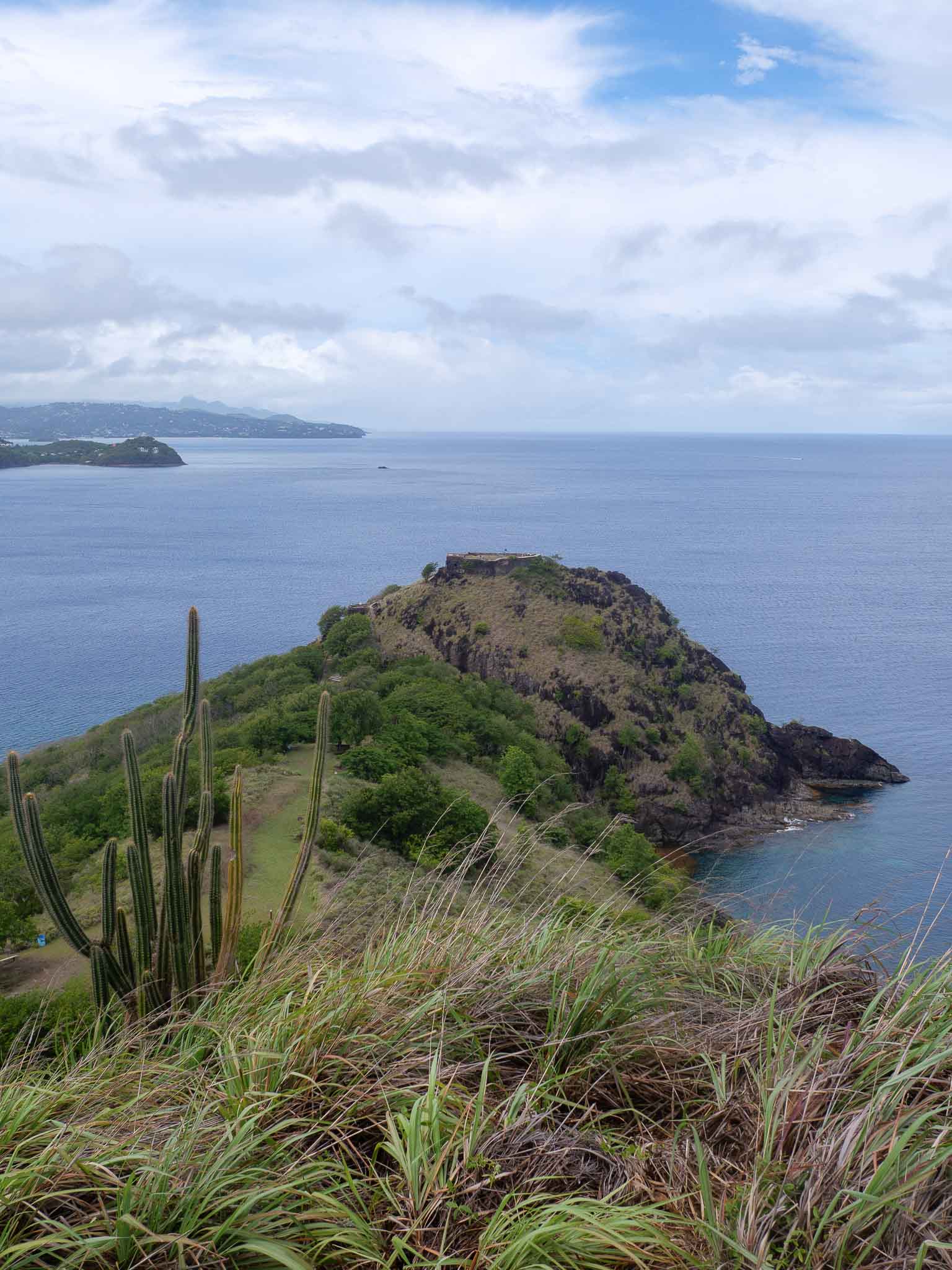
- Climb up to Fort Rodney: A short, well-maintained trail leads to the ruins of this 18th-century British fort. Plus, the summit offers an unobstructed, stunning view over all of Rodney Bay.
- Reach the summit of Signal Peak: For the more adventurous, this steeper second peak delivers a 360-degree panorama over the northern part of the island.
- Enjoy the park’s two beaches: The site features two beautiful, calm sandy coves. You can take a refreshing dip right at the foot of the historic ruins after your hike. It’s also a great spot for snorkeling.
Practical Information:
Opening hours: The park is open daily from 9:30 AM to 5:00 PM (last entry at 4:15 PM). Be sure to check the official website for all updated visitor information regarding Pigeon Island.
Entrance fee: $10 USD (a discount applies for CARICOM residents). Payment can be made in US Dollars (USD), East Caribbean Dollars (XCD), or by credit card.
Parking: A large, free public parking lot makes it very easy to park your rental car.
Pack two different outfits! Bring a pair of sneakers for the climb up to the fort, as well as your swimsuit and a towel for the beach. Also, don’t forget your sunscreen and a reusable water bottle.
Want to discover the North from the water? If you’d rather avoid driving or simply want to enjoy a unique view, you can book a sunset catamaran cruise to Pigeon Island or this guided half-day tour of the North.
Where to Eat After Visiting Pigeon Island?
Currently (as of August 2026), the Jambe de Bois restaurant inside the park is closed for renovations. Because of this, after our visit, we opted for The Thirsty Parrot, which turned out to be a wonderful discovery.
The restaurant boasts a lovely ocean-view terrace and, above all, efficient and friendly service. While the menu is concise, the dishes are high quality and allow you to sample local St. Lucian specialties. Overall, it offers great value for money, with a bill coming out to about $45 USD (€40) for two people, including two main courses, several drinks, and two coffees.
2. Marigot Bay: A picturesque and romantic stopover
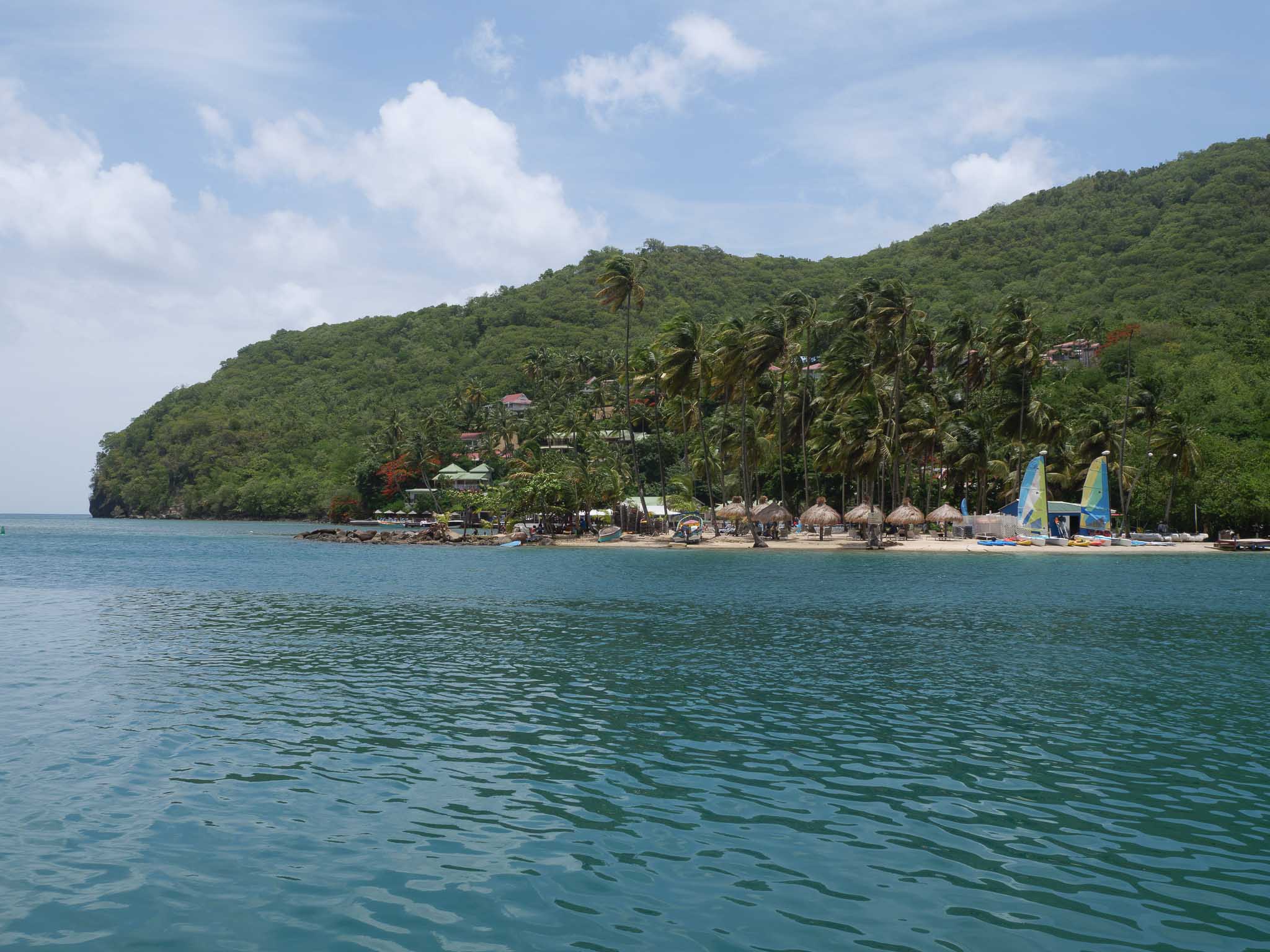
Nestled on the west coast between Castries and Soufriere, Marigot Bay is one of the most famous bays in the Caribbean. This natural fjord, surrounded by lush green hills, has served as a backdrop for several iconic movies. It makes for the perfect idyllic lunch break on your way to the South.
What to See and Do on Site?
Admire the panoramic view: Before driving down, pull over on the high road. The postcard-worthy view overlooking sailboats and palm trees is truly breathtaking.
Cross over via water-taxi: Small water taxis will take you across to the palm-fringed sandbank in just two minutes.
Kayak through the mangroves: The bay shelters a very peaceful mangrove ecosystem. Renting a stand-up paddleboard or a kayak is a wonderful way to explore this natural sanctuary.
Our Pro-Tip: Make sure to stop at the lookout point located along the descent into the bay! The view from above is spectacular, and this is where you’ll capture your absolute best souvenir photo of Marigot Bay.
Where to Eat in Marigot Bay?
There is certainly no shortage of dining options in Marigot Bay! However, some restaurants can be quite pricey.
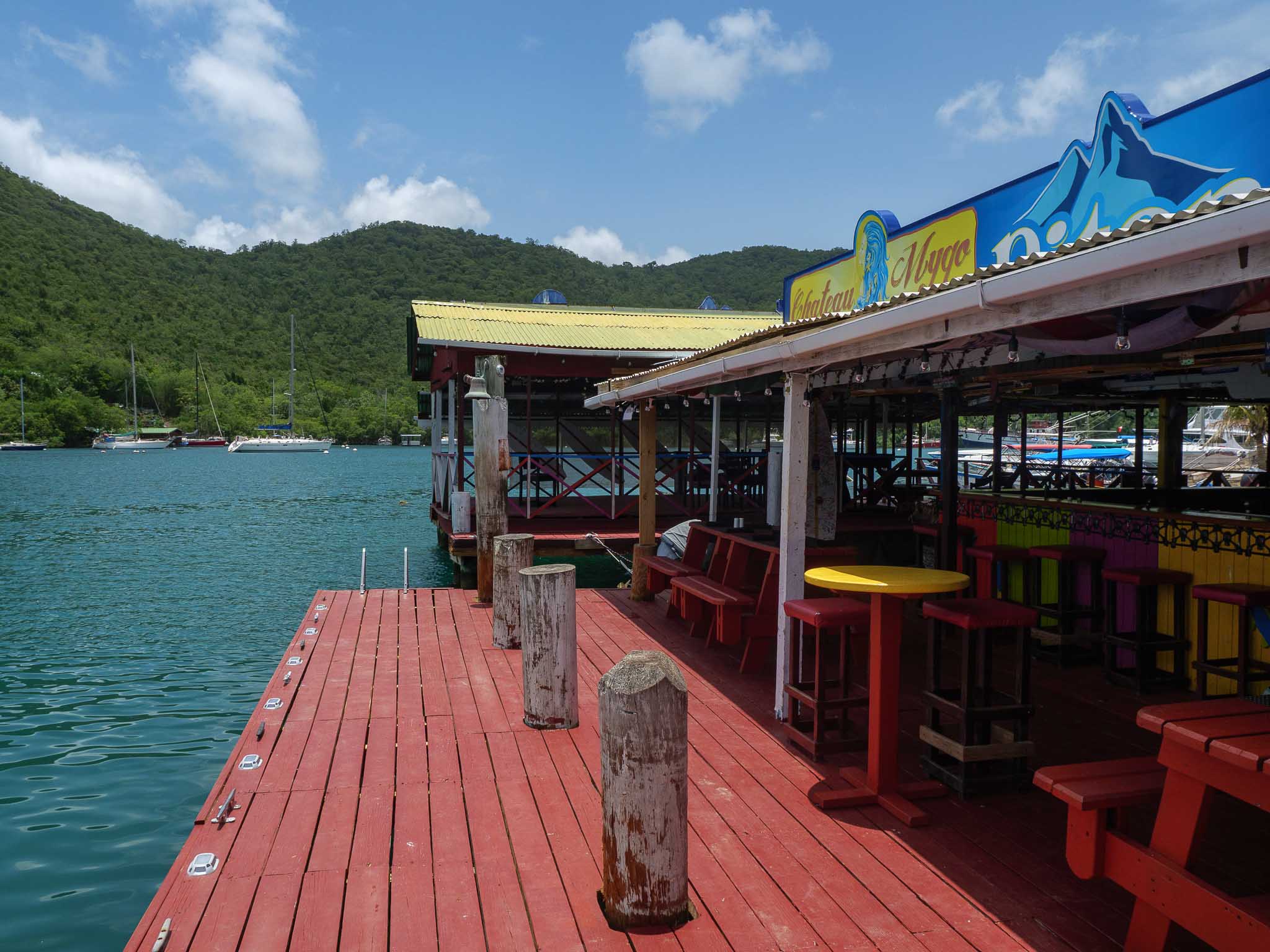
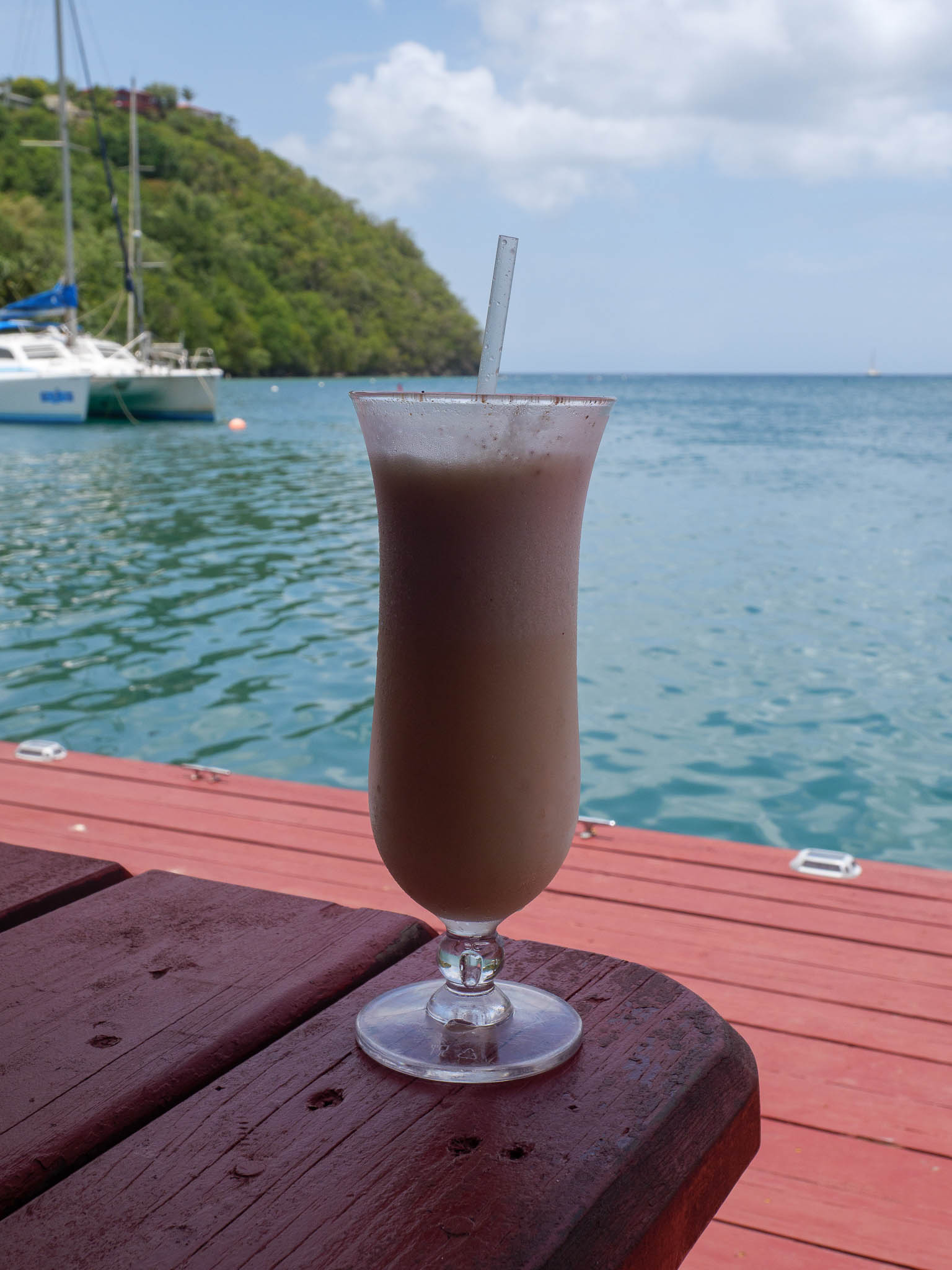
For our part, we decided to try Château Mygo, a true Marigot Bay institution. We didn’t regret our choice for a second, as the restaurant enjoys an idyllic waterfront setting. Furthermore, the menu focuses on fresh ingredients and authentic Creole recipes. We thoroughly enjoyed their cod fritters (accras) and the coconut curry chicken served with local sides. Expect to pay around $35 USD (€30) per person for a main course and a drink.
3. Soufriere and Its Waterfront: The authentic heart of the South
Located on the southwest coast, Soufriere is the island’s former historical capital. Indeed, this charming, colorful town serves as the perfect gateway for exploring the wild South. It’s right here that the authentic, warm heart of St. Lucia beats. In our opinion, it’s the ideal place to stay when you want to discover the southern part of the island.
What to see and do on site?
Admire the view from the waterfront promenade: The waterfront has been beautifully renovated. Because of this, the pier offers a magnificent, direct view of both Pitons. It’s the perfect spot to kick back at the end of the day with a drink and watch the sunset.
Stroll among the Creole houses: The streets are lined with gorgeous, colorful wooden homes. Walking through town offers a complete immersion into local life.
Explore the local market: The stalls are bursting with tropical fruits, spices, and local handicrafts. It’s the perfect place to chat with the locals.
Watch the fishermen return: In the late afternoon, traditional wooden boats head back to the beach with the catch of the day.
Where to Eat in Soufriere?
The town of Soufriere offers great dining spots for every budget. You’ll find everything from places with panoramic views to wonderful traditional eateries. Here are our three favorite spots:
La Haut Resort: To start your day in a magical way, head over to the restaurant at La Haut Resort. Perched high above the town, this spot offers a jaw-dropping panorama of both Pitons. Plus, their breakfast is very hearty. It’s the ultimate place to treat your eyes to an unforgettable view first thing in the morning!
Seashell Beach Restaurant: For a relaxed meal right by the water, head over to Seashell Beach Restaurant. This welcoming spot sits directly on Soufriere’s beach, serving up fresh grilled fish and mouthwatering conch (lambi). To top it off, the setting is simply idyllic.
Fedo’s: If you’re looking for an authentic, budget-friendly Creole meal, head straight to Fedo’s. Hidden in a quiet side street, this local eatery is a true institution. Locals flock here to order chicken rotis and Creole fish. The portions are generous, all for under $10 USD!
4. Tet Paul Nature Hike: The Best View of the Pitons
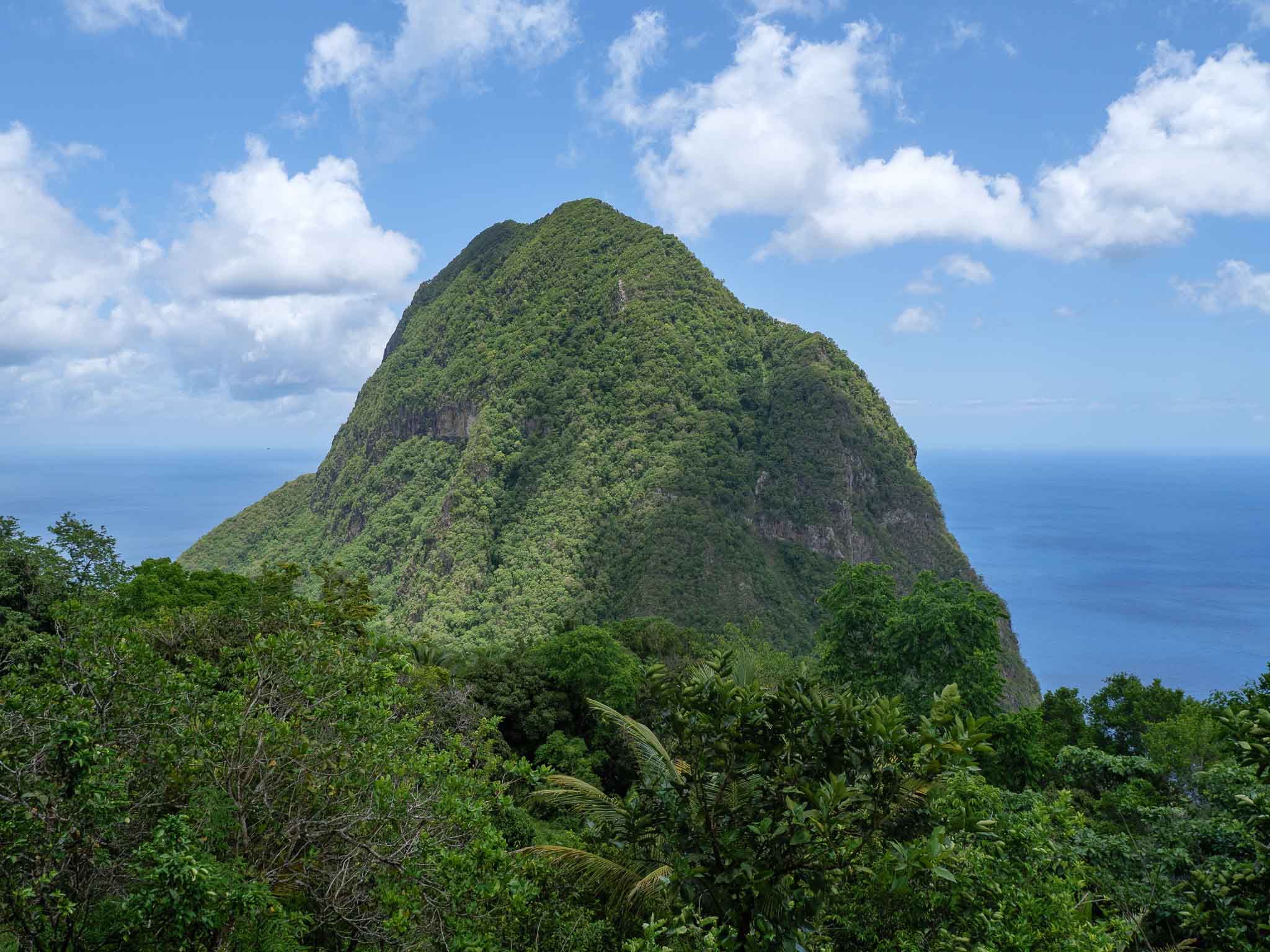
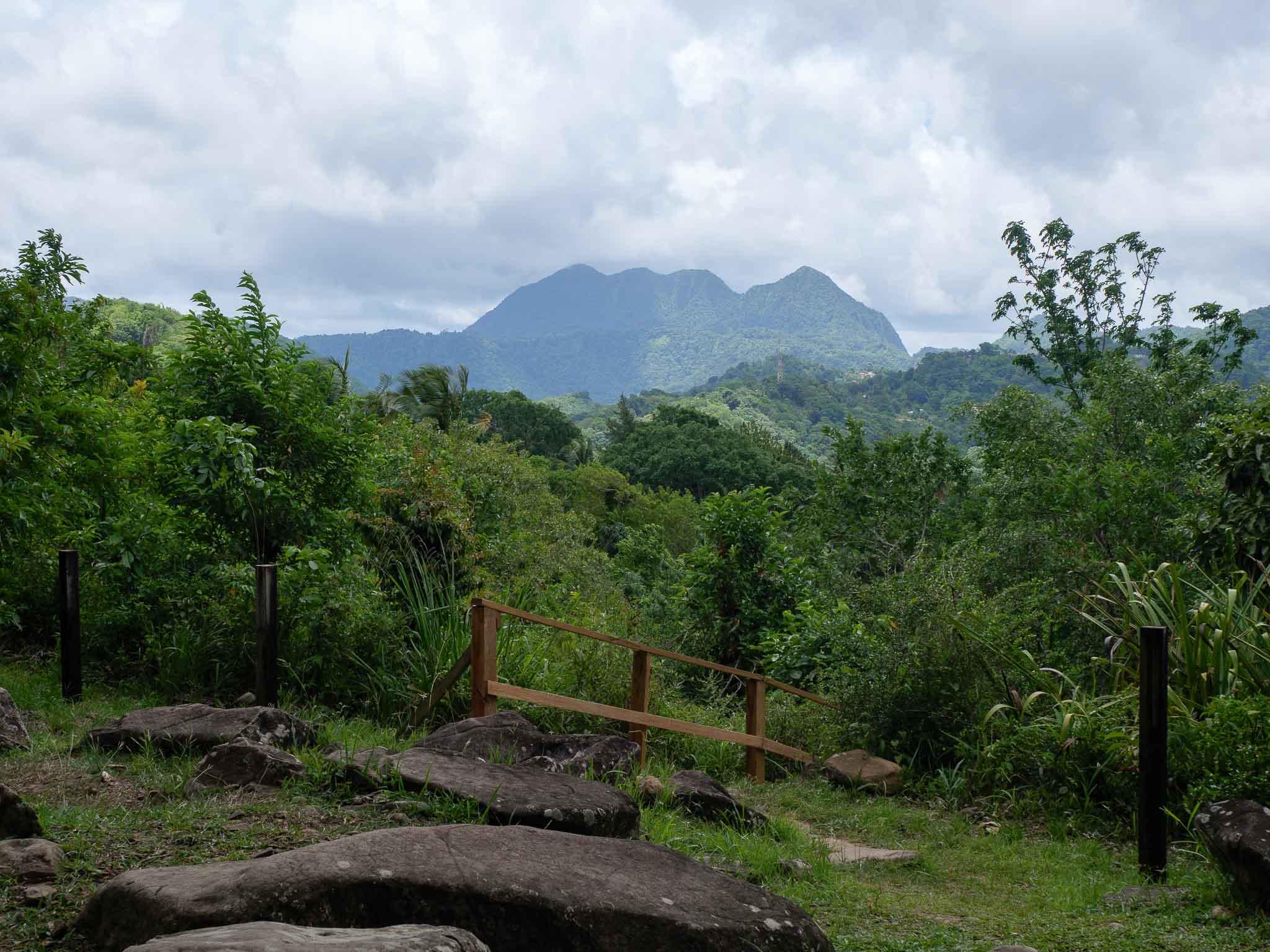
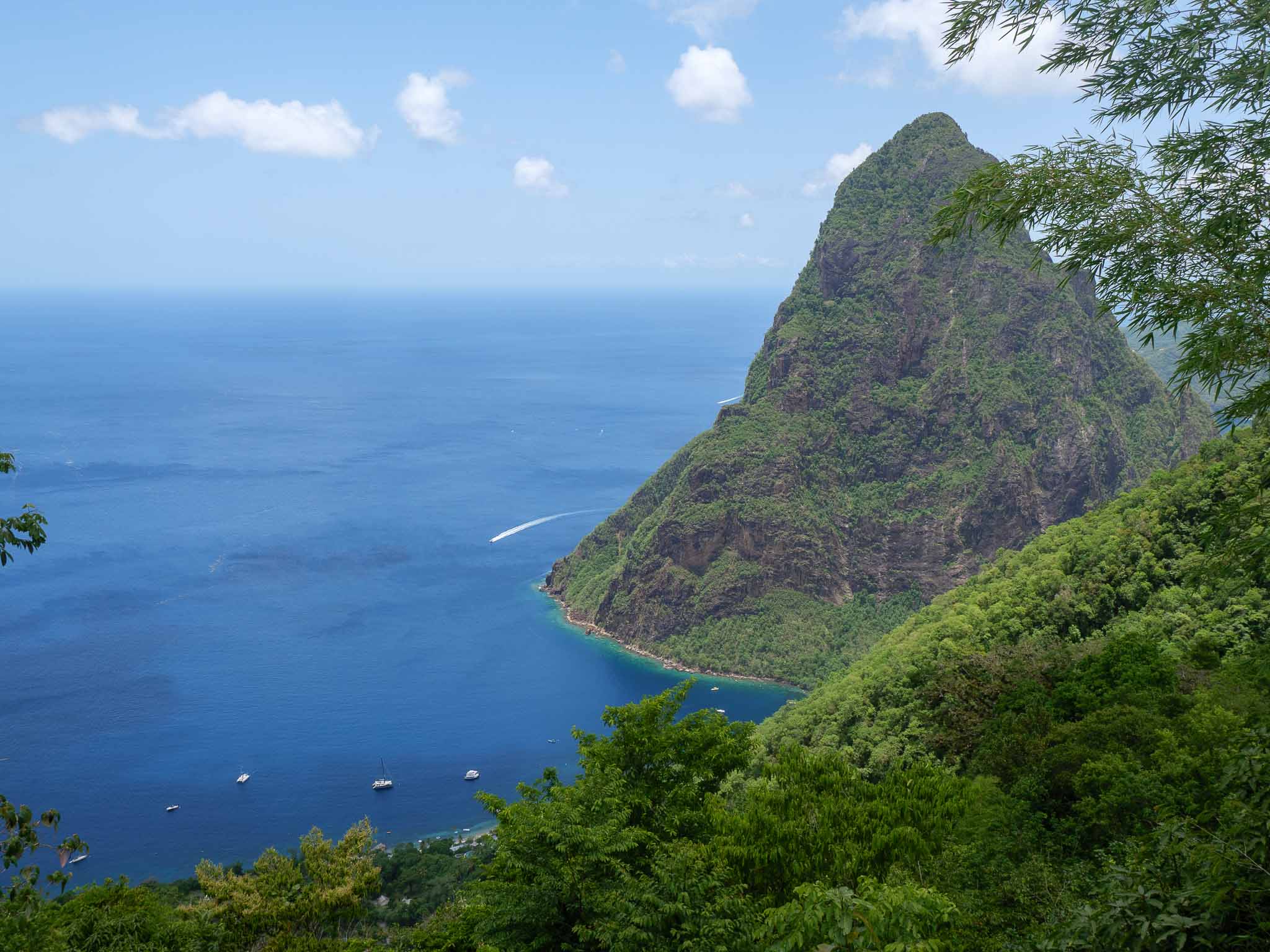
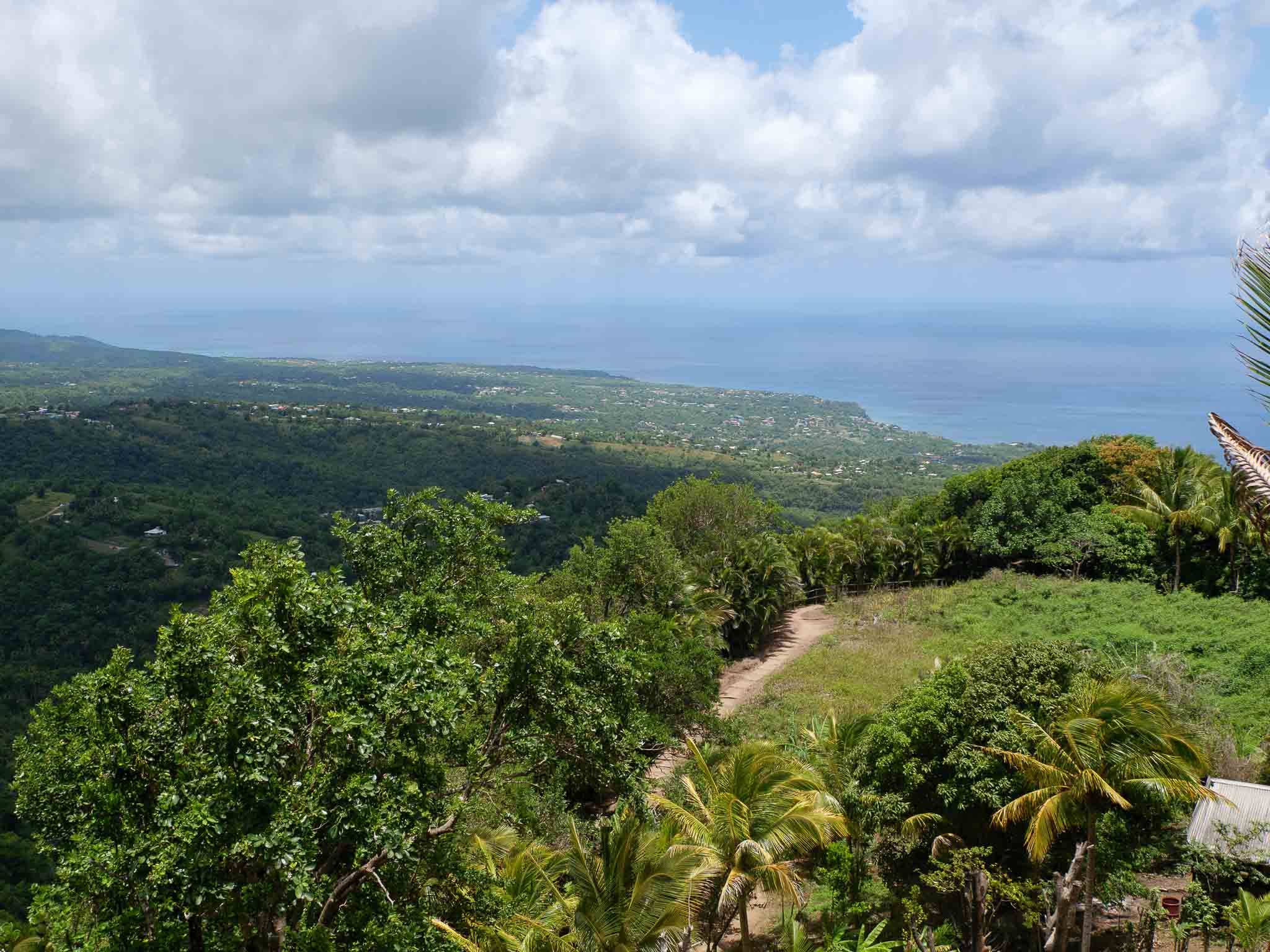
If you only do one hike in the South, choose the Tet Paul Nature Hike without hesitation. Perched high above Soufriere, this community-run trail arguably offers the most breathtaking panorama on the entire island. Best of all, the loop is very easy and takes only about 45 minutes to complete.
This walk is perfectly suited for the whole family. You can complete the trail on your own or accompanied by a guide. If you choose a guided tour, a passionate local guide will walk you through the path, introducing you to local medicinal plants and the history of traditional farming along the way. Next, you’ll climb the famous “stairway to heaven”—a suspended wooden staircase leading straight to the peak. Once at the top, the show is nothing short of spectacular, embracing Gros Piton, Petit Piton, and the crystal-clear waters of Sugar Beach below.
Practical Logistics:
Entrance fee: $10 USD per person.
Opening hours: Open daily from 8:00 AM to 5:00 PM.
Parking: A free parking lot is located right at the trailhead.
Driving distance: Only a 15-minute drive from downtown Soufriere.
Our Pro-Tip: Plan your visit for around 4:00 PM. Not only will you beat the intense midday heat, but the golden late-afternoon light illuminating these giant rock formations is simply magical!
A Deep Dive into Hiking the Pitons in St. Lucia
It is impossible to talk about Southern St. Lucia without mentioning the climb up its iconic Pitons. However, we made the conscious choice not to attempt this legendary hike.
On one hand, the required fitness level is extremely demanding—the climb essentially feels like stepping up giant stairs for four non-stop hours. On the other hand, the cost of the mandatory guide was a significant factor for our travel budget. That’s why we preferred focusing on the gentler Tet Paul walk instead. That said, if you are in peak physical shape, hiking the Pitons remains an unforgettable experience!
Gros Piton: The Official and Marked Hike (2,530 ft / 771 m)
This is the only summit whose ascent is officially managed and regulated. The trail begins in the small village of Fond Gens Libre.
Entrance fee: $50 USD per person. This rate strictly includes the mandatory services of an official local guide.
Duration: Expect 4 to 5 hours round-trip, depending on your pace.
Difficulty level: Very hard. The elevation gain is steep, and the rocks are frequently slippery.
Operating hours: The visitor center is open daily from 6:30 AM to 2:00 PM.
Our Advice: Start your hike at 6:30 AM sharp! The jungle humidity combined with the midday heat makes the physical effort grueling. In addition, bring at least 2.5 liters (approx. 85 oz) of water per person and wear sturdy trail running shoes or hiking boots.
Petit Piton: An Extremely Dangerous Scramble (2,438 ft / 743 m)
In contrast, the ascent of Petit Piton follows a dizzying, near-vertical trail that is closer to rock climbing than traditional hiking. You will frequently need to pull yourself up using ropes attached to trees. For this reason, we strongly advise against venturing up Petit Piton unless you are a highly seasoned climber accompanied by an extremely experienced guide and backed by appropriate travel insurance.
5. Sulphur Springs: The "Drive-In" Volcano and Mud Baths
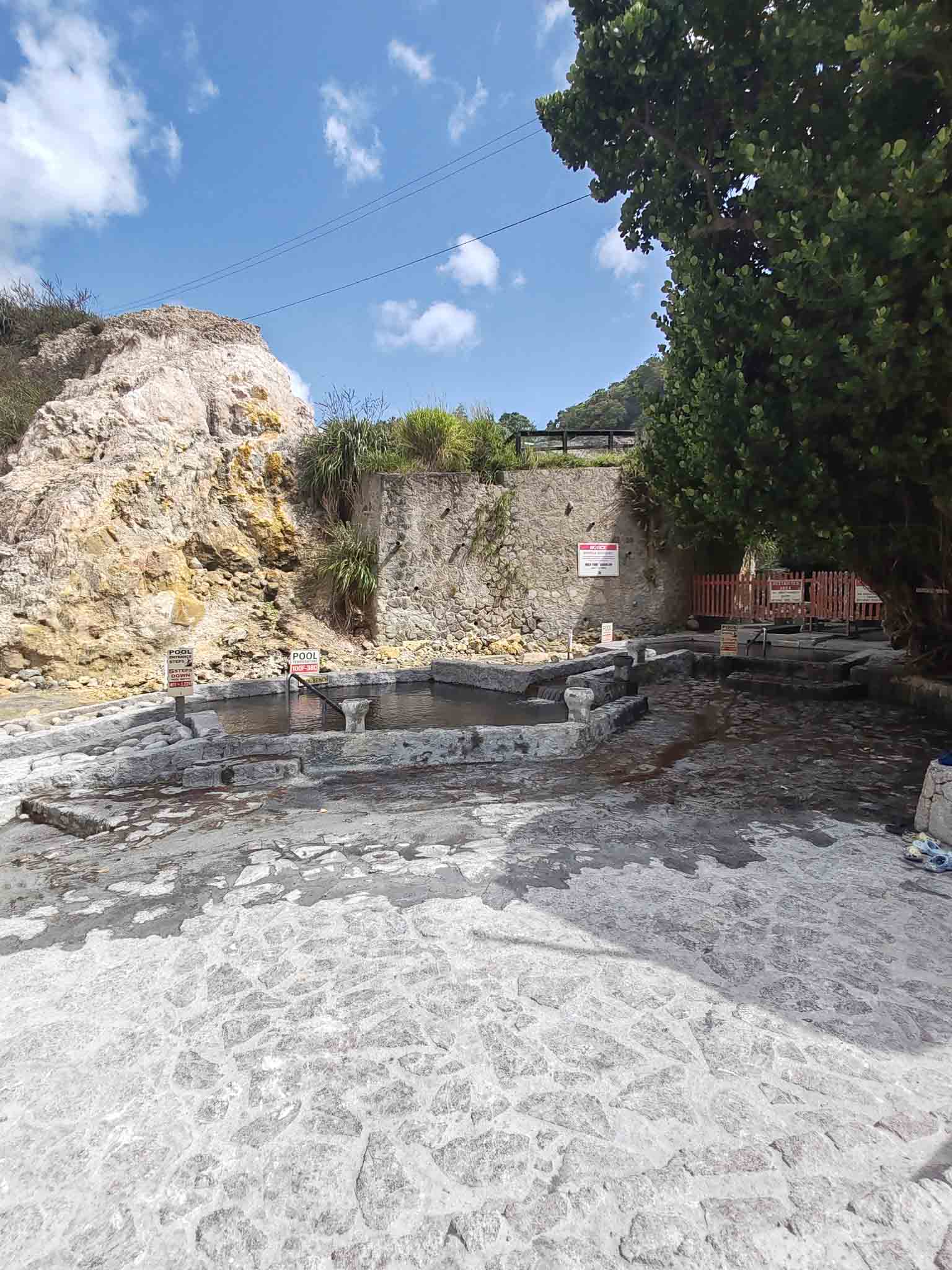
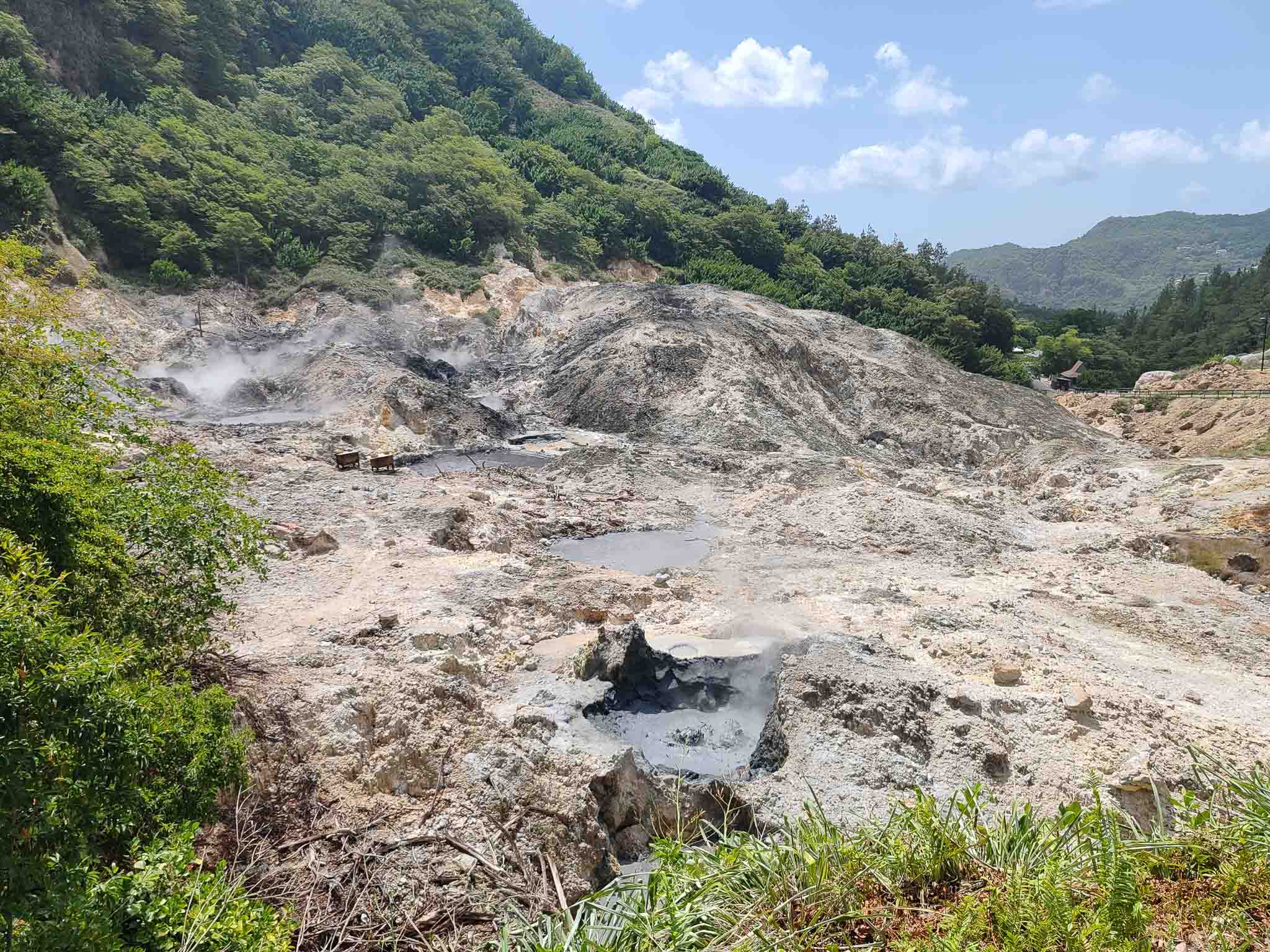
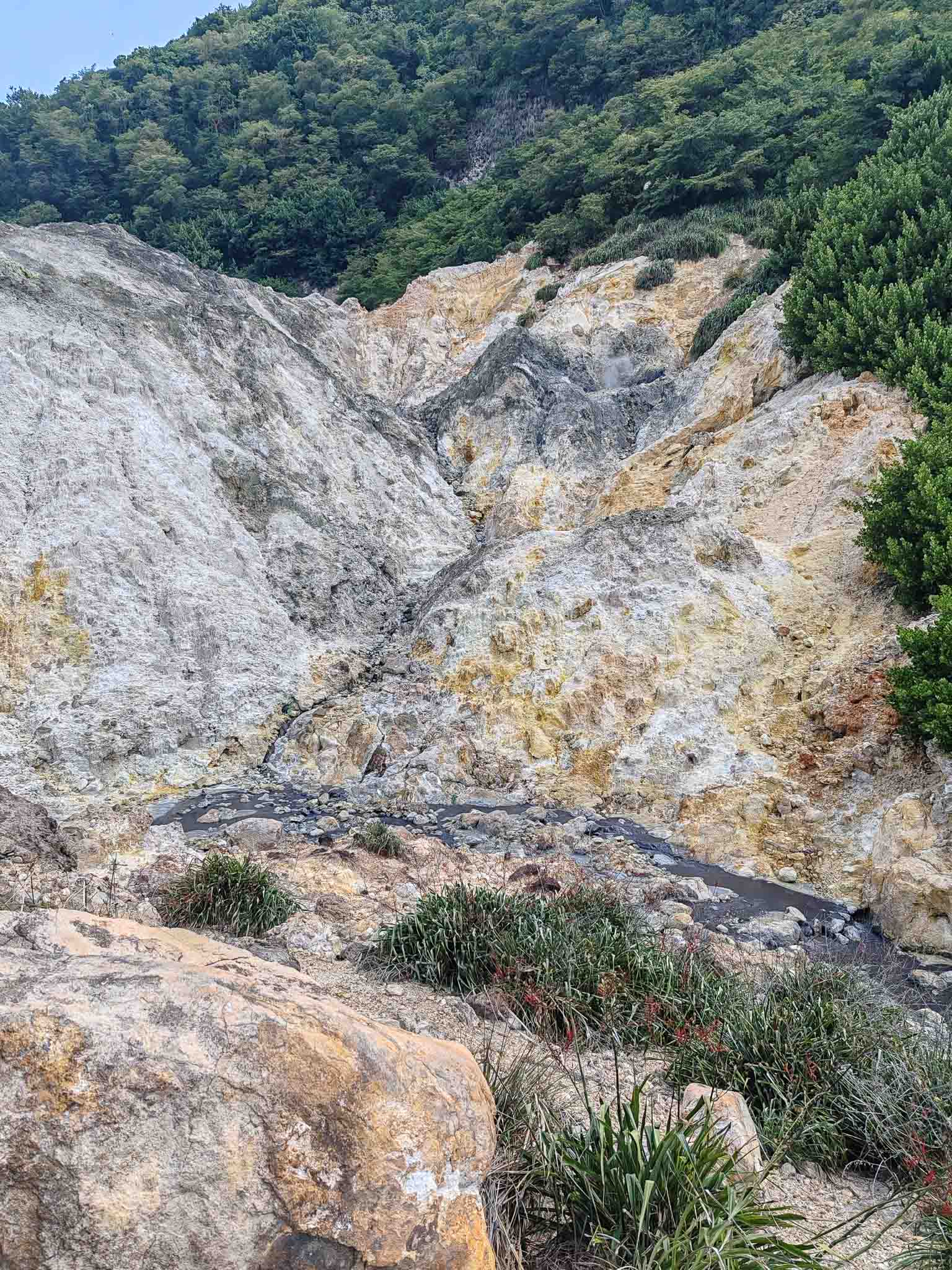
Sulphur Springs is one of the most famous sights in the Caribbean. Billed as the world’s only “drive-in” volcano, you can actually drive your car right into the heart of the caldera! Located just ten minutes from downtown Soufriere, this geothermal park offers a fascinating natural spectacle. It is a wildly popular and unique experience to have on the island.
What to see and do on Site?
View the volcanic crater: First, you can walk up to the caldera (with or without a guide). Here, you’ll observe steam vents, fumaroles, and bubbling pools of black mud. You’ll likely be surprised—and probably a little grossed out!—by the distinct sulfur smell emanating from the bubbling baths.
Experience the mineral mud baths: Next, head down to the thermal hot springs below. Slather your body in mineral-rich black volcanic mud, let it dry in the sun, and finally rinse off in the thermal pools heated to around 100°F (38°C). It’s a super fun activity and great for your skin!
While we enjoyed this quirky experience, we were a bit caught off guard by the sheer number of tour buses dumping crowds of visitors off to hurry through the process at lightning speed. Be sure to arrive early in the morning or late in the afternoon to beat the crowds and enjoy a more peaceful soak. In any case, spending more than 25 minutes in the hot thermal water is not recommended.
Logistics Note: Sulphur Springs and the Tet Paul Nature Hike are extremely popular attractions. If you prefer not to drive and want to secure your spot stress-free, consider booking a full-day island tour with hotel pickup.
Practical Information:
Opening hours: Open daily from 9:00 AM to 5:00 PM.
Admission: Expect to pay $16 USD per adult to visit both the caldera and the mud baths. This fee includes access to a small museum (which is interesting, though a bit dated). If you only want access to the mud baths, it costs $10 USD. Hiring an official guide will add a significant extra cost.
Parking: A large parking lot is available right at the entrance of the complex.
Our Pro-Tip: Bring a dark or old swimsuit to avoid permanent mud or sulfur stains. Also, make sure to take off any silver jewelry before stepping in, as the sulfur will tarnish it almost instantly! Changing rooms are available on-site for your convenience.
6. Diamond Botanical Gardens, Waterfall & Mineral Baths: A Tropical Haven of Peace
Spoiler alert: this park was an absolute favorite of ours! Located just outside of Soufriere, this historic botanical garden spans over six acres (two hectares). This lush green haven offers a refreshing, pastoral break right in the heart of nature. What’s more, the site beautifully combines vibrant tropical flora, a mineral waterfall, and historic thermal baths.
What to see and do on Site?
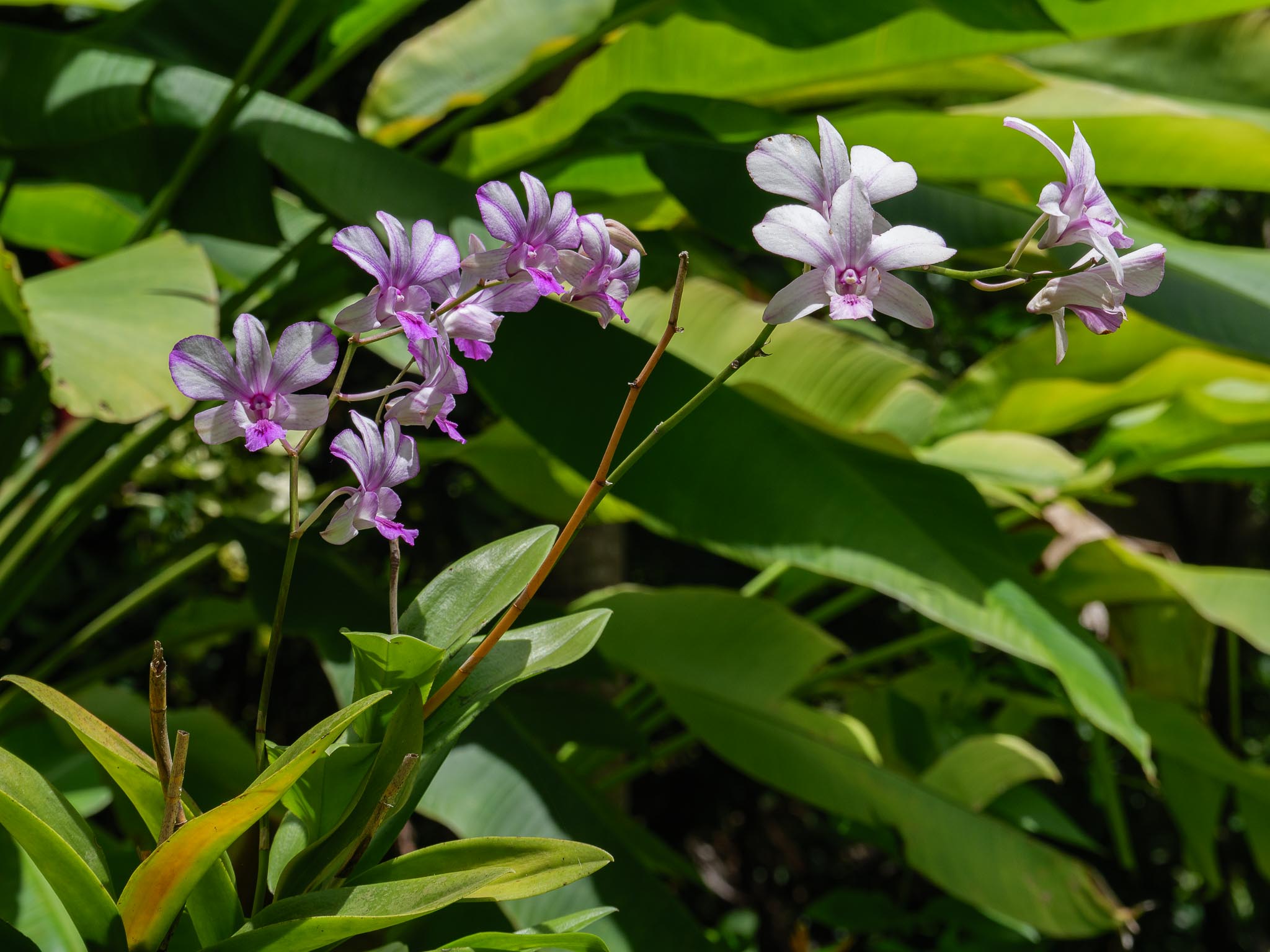
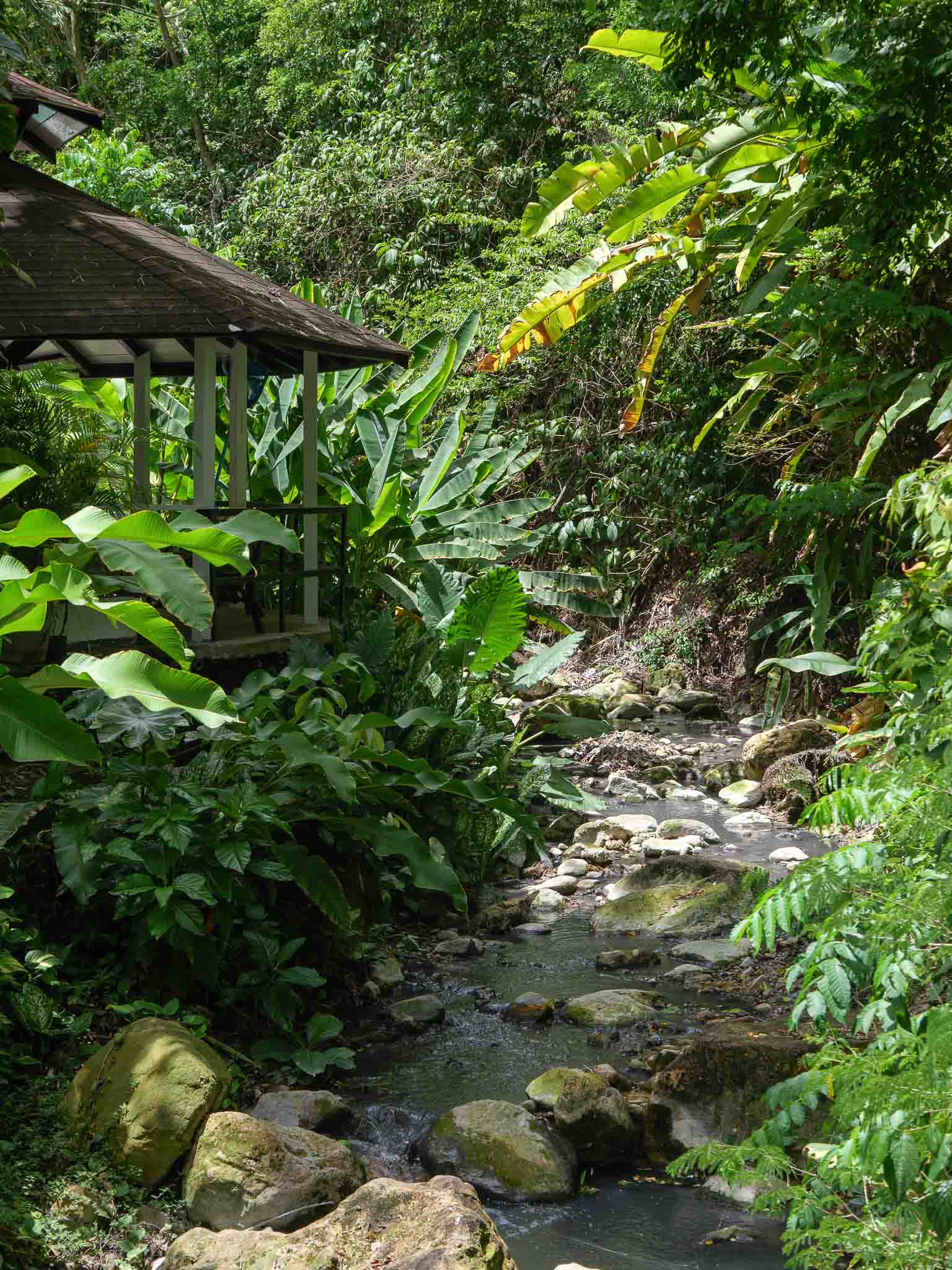
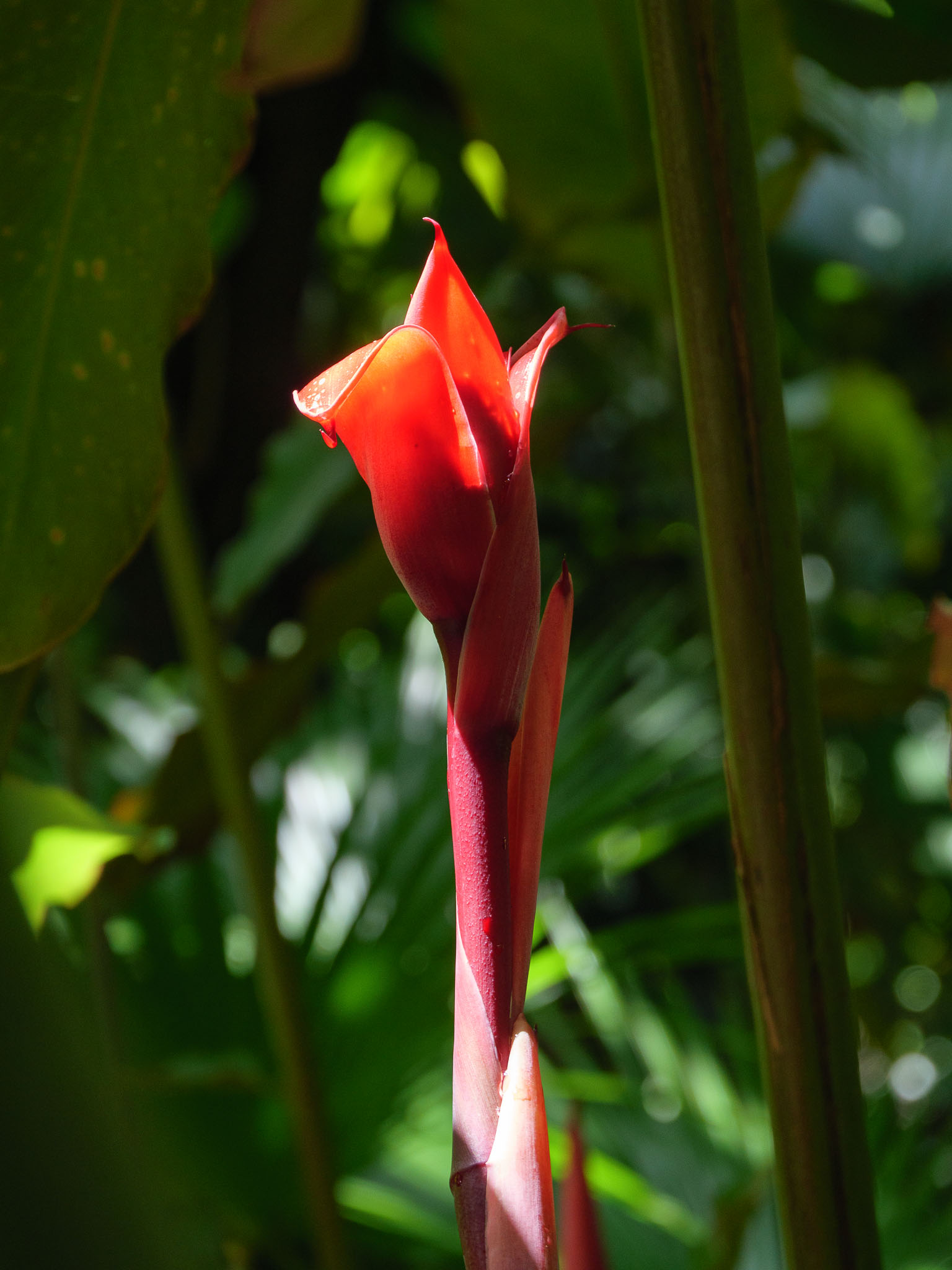
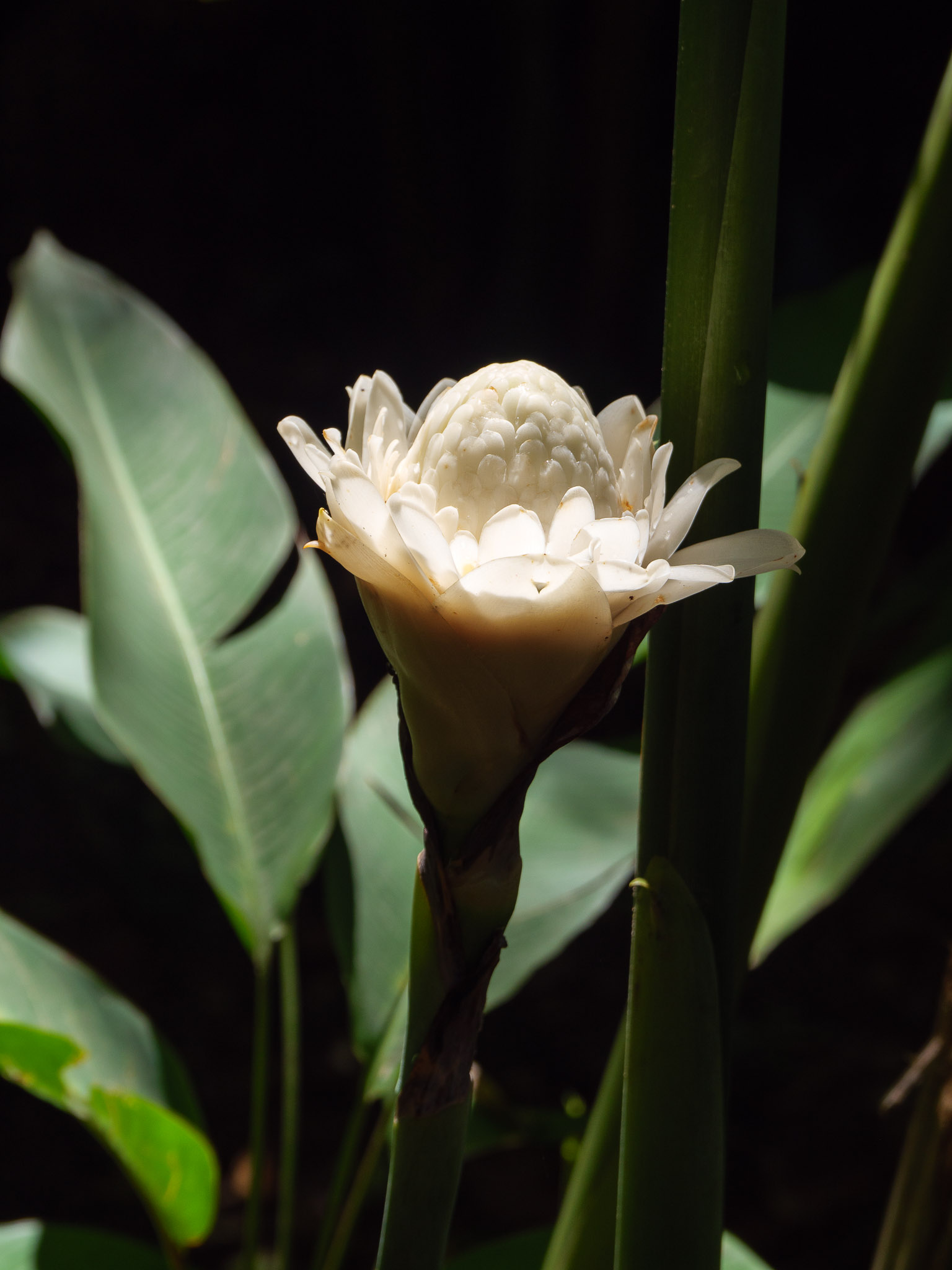
Stroll among tropical plants: A well-maintained walking path leads you through colorful hibiscus, lobster claw heliconias (balisiers), and century-old trees.
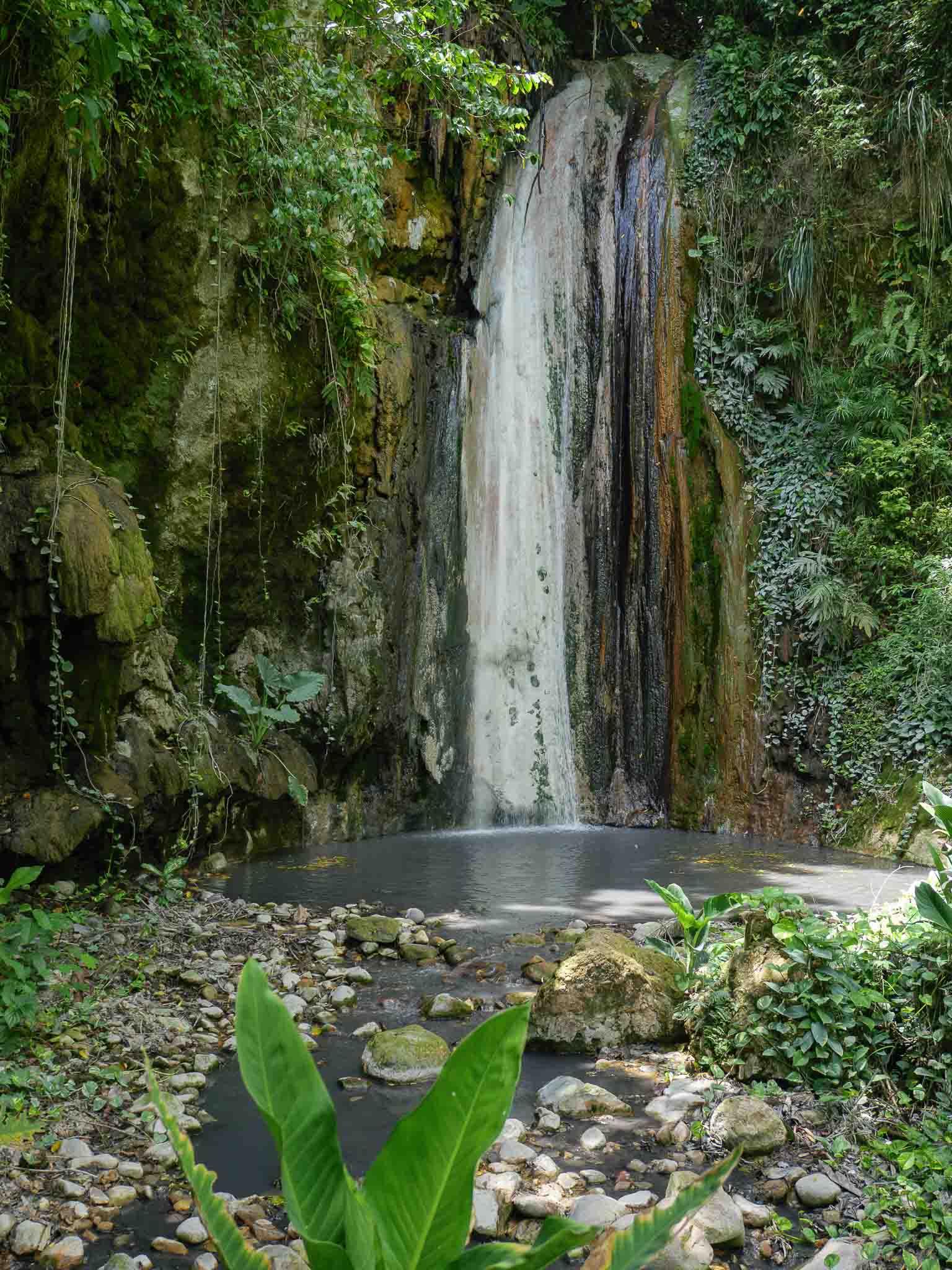
Admire Diamond Waterfall: This iconic waterfall regularly changes color. Why? The water is heavily loaded with volcanic minerals!
Try the historic mineral baths: The original baths were built in 1784 for the troops of King Louis XVI. You can soak in deeply relaxing thermal waters (note that this experience requires an additional fee on top of the garden admission ticket).
Practical Information:
Opening hours: The park is open Monday through Saturday. Operating hours can vary, so be sure to check them before heading over.
Admission: $7 USD per adult for entrance to the gardens.
Parking: A small, shaded, free parking lot is located right in front of the entrance to the estate.
7. The 4 Best Snorkeling Spots in St. Lucia
St. Lucia is home to exceptionally rich marine reserves. Because the west coast is sheltered from wind and heavy swells, the water remains crystal-clear, making the underwater marine life truly fascinating.
Here are our four favorite spots for exploring the underwater world with a mask and snorkel:
1. Sugar Beach (Anse des Pitons): Snorkeling Between the Two Giants
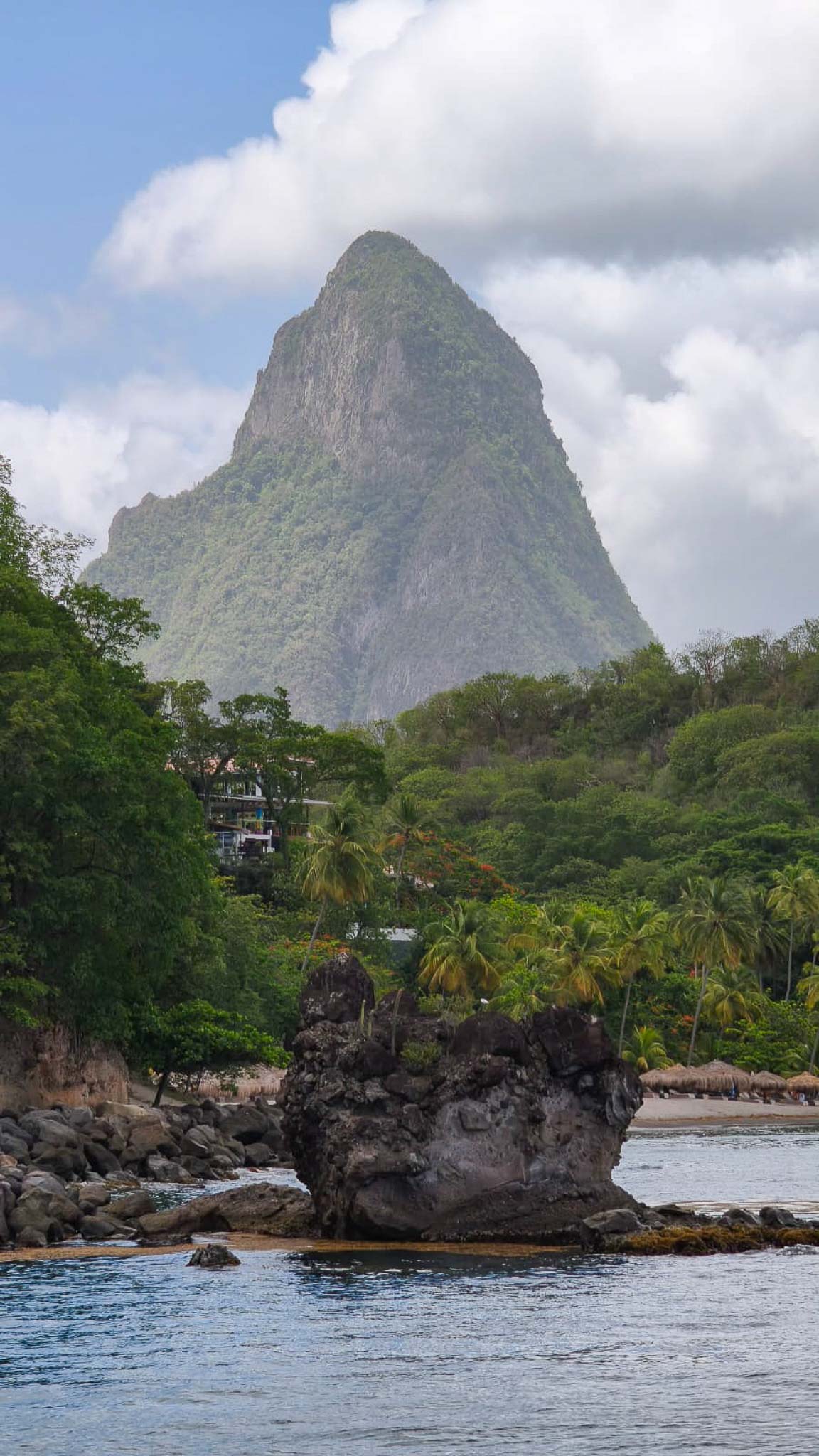
Sugar Beach is arguably the most spectacular spot on the island. The beach is nestled right between Gros Piton and Petit Piton.
The protected marine reef bordering Petit Piton drops sharply into the deep blue. Here, you’ll swim alongside parrotfish, angelfish, stingrays, and occasionally sea turtles.
Beach access is public and completely free. However, you will walk through the luxurious Viceroy Resort property. If you arrive by car, the visitor parking lot is situated at the top of the hill, so plan for a 15-minute walk downhill (and a steep trek back up!).
An alternative is to take advantage of the resort’s amenities and pay a few dollars to ride their shuttle back up to the parking lot. The resort’s restaurant is very pleasant and high quality—it can be a lovely extra perk to fully enjoy your outing at the resort.
2. Anse Chastanet: A Natural Aquarium Right off the Beach
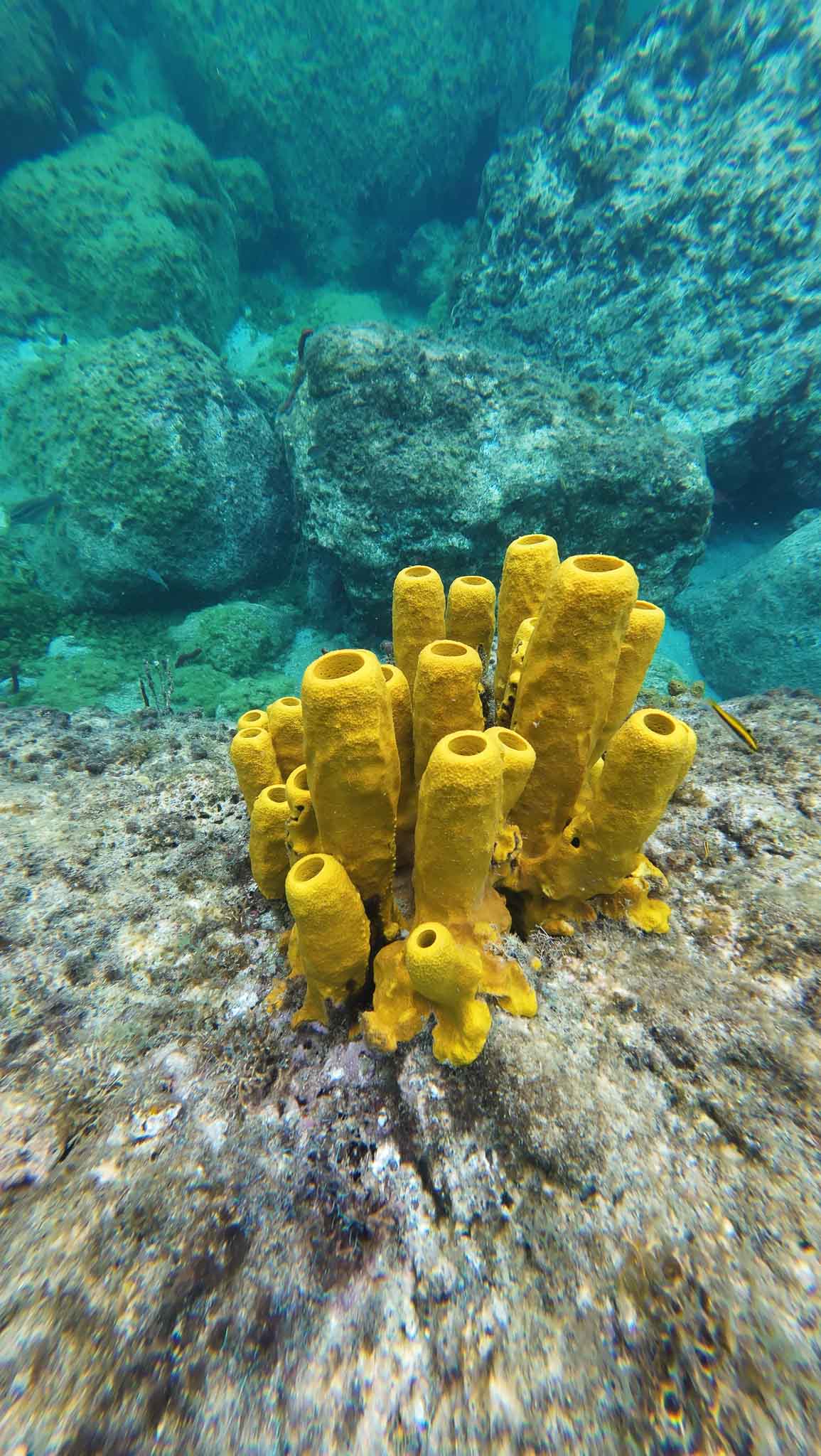
Anse Chastanet is widely considered one of the finest coral reefs in the entire Caribbean. The bay has been part of a protected marine reserve for many years.
The coral reef starts just 10 feet (3 meters) from the shoreline. Underwater, you’ll spot giant sea fans, trumpetfish, octopuses, and schools of squid.
The beach is open to the public. However, the access road leading from Soufriere is a very bumpy dirt track, which is why an SUV or a 4×4 vehicle is strongly recommended.
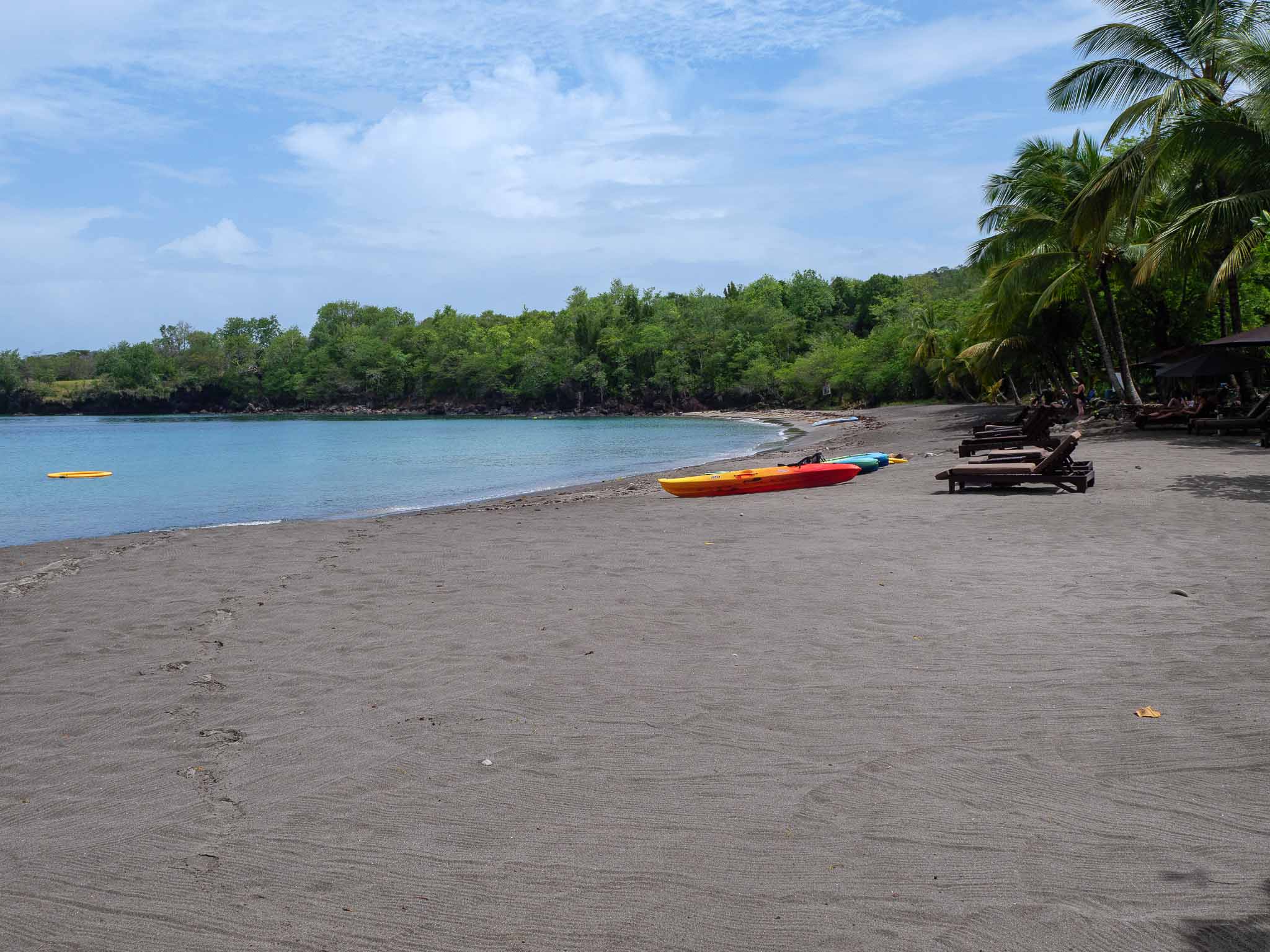
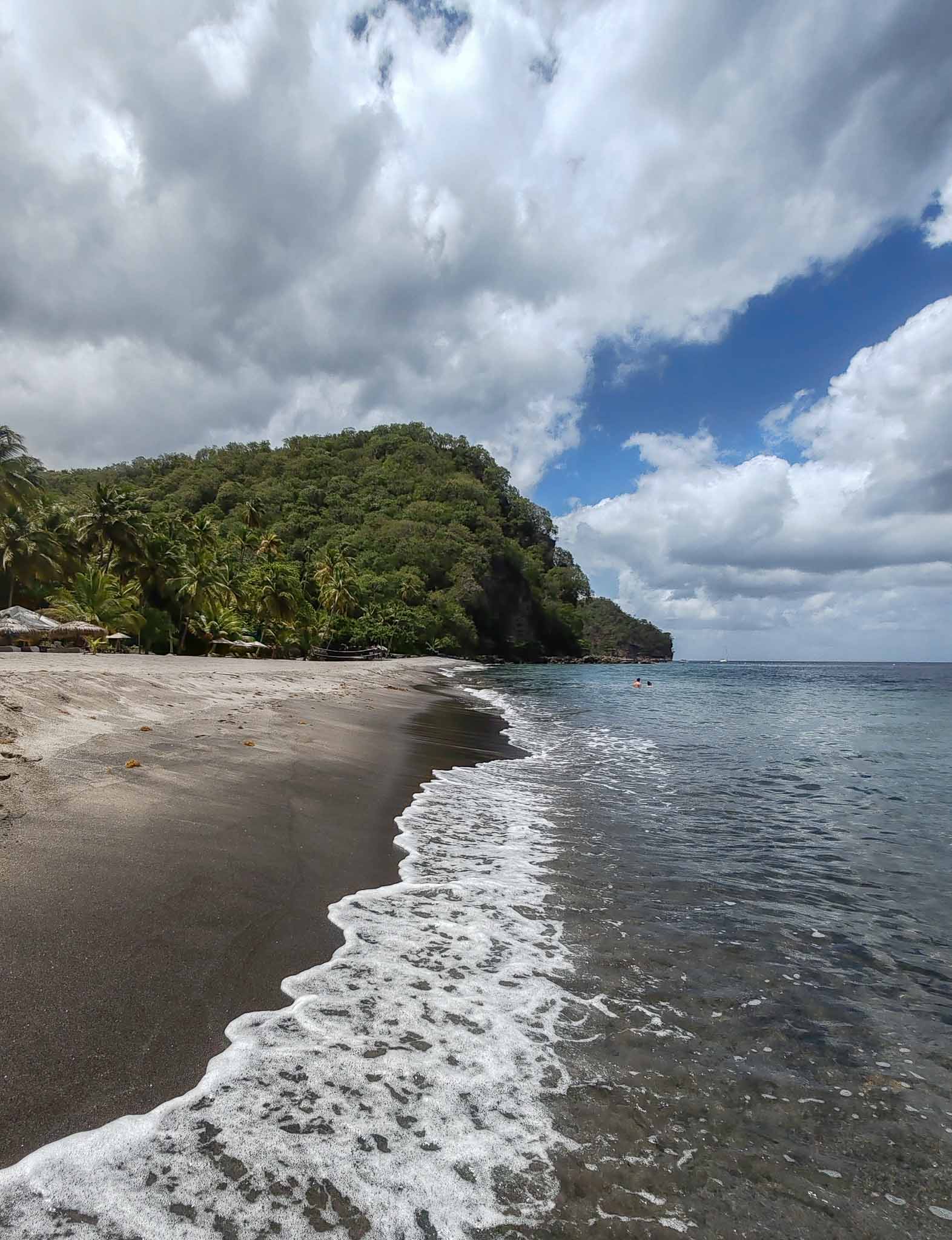
3. Anse Mamin: A Wild Black-Sand Gem
Anse Mamin is the immediate neighbor to Anse Chastanet. This wild bay features volcanic black sand framed by lush tropical jungle.
By swimming along the rocks on the right side of the bay, you’ll discover pristine, well-preserved rocky sea beds. Plus, the site is notably quiet under the water. Access on foot is super easy—just follow the coastal trail from Anse Chastanet for about 10 minutes.
The Little Extra: The beach bar serves outstanding local burgers in an intimate, relaxing setting.
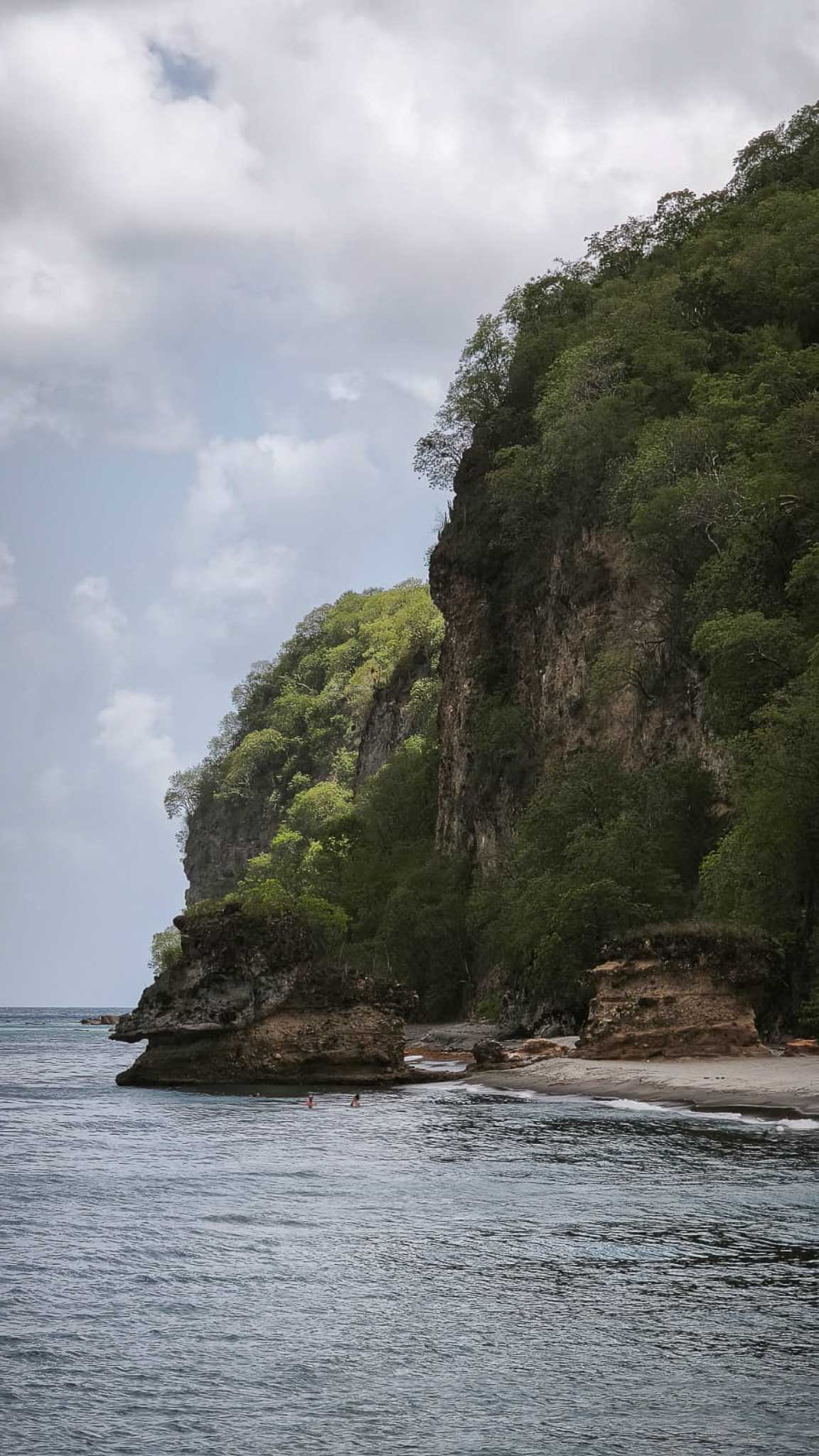
4. Anse Cochon: Crystal-Clear Waters North of Soufriere
Located further north near the town of Anse La Raye, Anse Cochon is a tranquil cove bordered by lush forest.
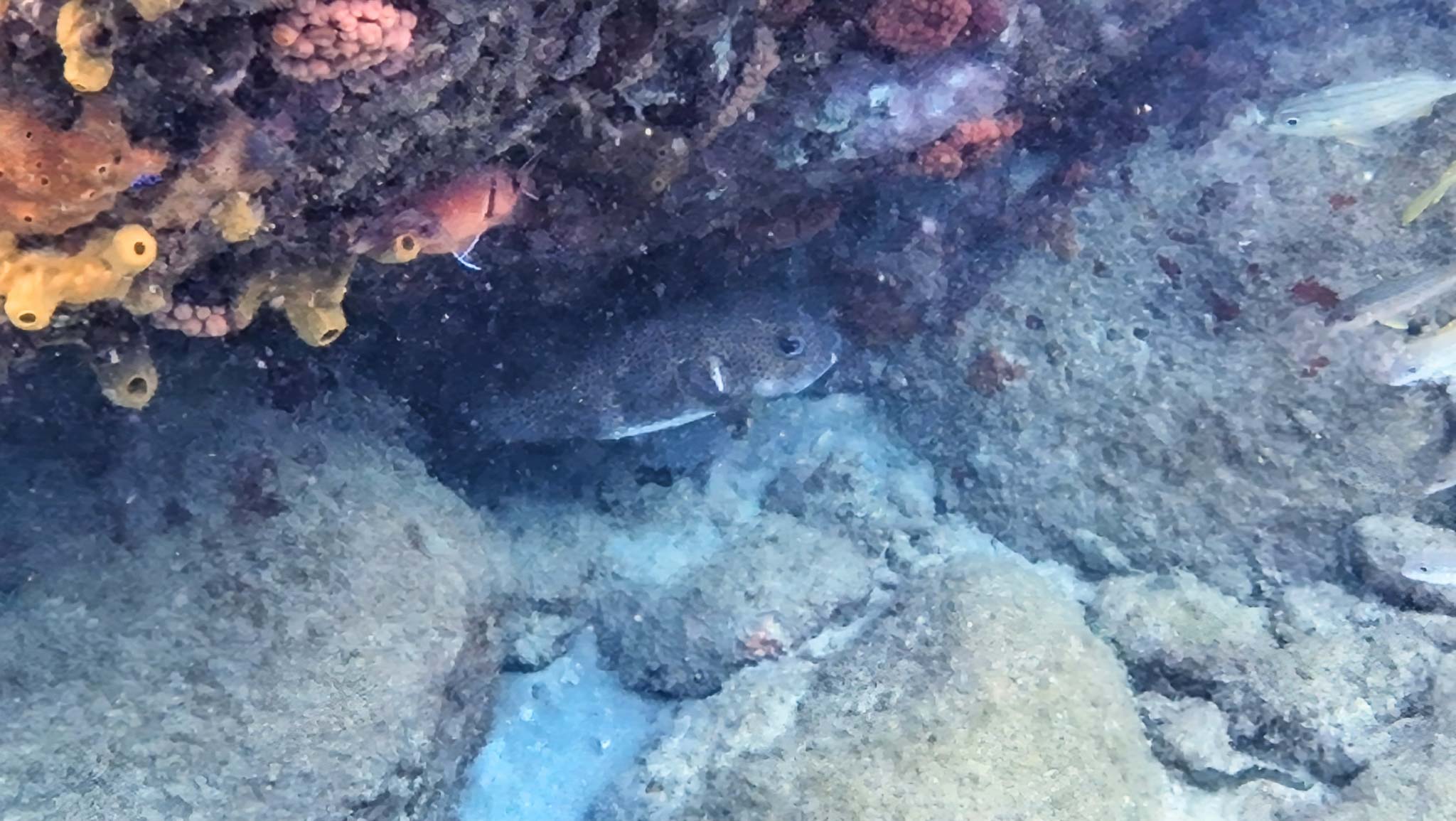
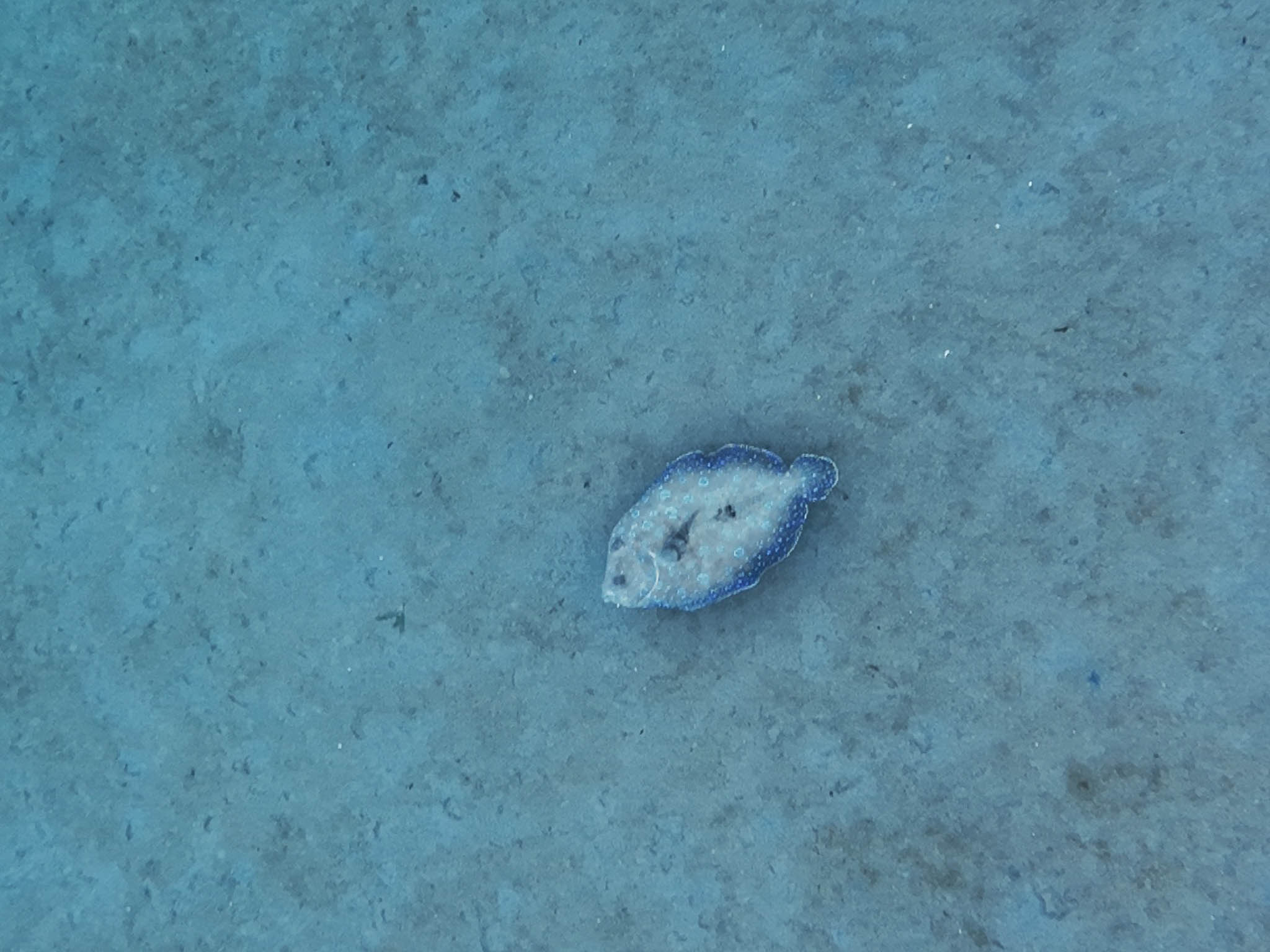
The rocky reefs lining both sides of the bay are teeming with life. Visibility here is often crystal-clear, making it ideal for spotting moray eels, seahorses, boxfish, and rays.
The bay can be accessed either by boat or through the Ti Kaye Resort. If you enter via the resort, a parking fee is requested at the entrance ($10 USD per person). However, this amount is fully deductible from your food and drink bill at the beach bar!
Where to Stay in St. Lucia?
Choosing the right accommodation is a key step in planning your trip. The island stretches out over long distances, and the winding roads mean driving times can add up quickly. That’s why we strongly recommend prioritizing a stay in the South. As you’ve seen, we fell head over heels for the wild region surrounding Soufriere. The high concentration of activities in this area will allow you to enjoy your vacation without having to drive long distances every day.
Our Tip: If you are staying for 5 days, split your stay into two parts. Spend your first night in the North upon arrival to easily visit Pigeon Island. Then, pack your bags and move South for the remainder of your trip.
In the South (Soufriere): The Must-Stay Area
The South is without a doubt the absolute best place to base yourself. Staying here puts you right next to the island’s most beautiful natural wonders.
Sugarmon Villas: Our Favorite Stay in the South
This is the property we chose for our stay in the South, and we truly fell in love with it. The villas are modern, spacious, and fully equipped. Our accommodation included a well-equipped kitchen, allowing us to be completely independent with meals—especially breakfasts. On top of that, the panoramic view of the Pitons from the pool is pure magic. It’s the ideal spot to enjoy the South at your own pace. Discover this wonderful property and book your stay.
Sugar Beach, A Viceroy Resort: Absolute Luxury Between the Pitons
If you’re seeking a bucket-list experience, Sugar Beach is the island’s legendary luxury address. This high-end resort is nestled directly between Gros Piton and Petit Piton. The stunning villas feature private plunge pools and direct beach access. It’s the dream destination for an unforgettable honeymoon. Check rates and availability.
Fond Doux Eco Resort: Creole Charm in the Heart of Nature
For total immersion in lush tropical greenery, we highly recommend Fond Doux Eco Resort. This eco-friendly estate features magnificent traditional Creole cottages set within a historic organic cocoa plantation. It is a deeply authentic, peaceful, and eco-conscious haven. Check rates and availability.
In the North (Gros-Islet / Rodney Bay): Our Charming Alternatives
To be completely transparent, our own accommodation in the North was very disappointing. That’s why we prefer not to recommend it here. However, spending a night in the North remains very convenient for visiting Pigeon Island. Here are two lovely, charming properties to prioritize in this area:
The Landings Resort & Spa: Luxury at the Foot of Pigeon Island
Located right next to the national park, this exceptional resort offers lavish suites. Its setting between the marina and a private beach is magnificent. Plus, you can walk to the fort ruins in just a few minutes. This is a marvelous place to stay if you want to treat yourself to an unforgettable night for a special occasion or simply pamper yourself. Check Booking.com to book your stay.
Bay Gardens Inn: A Lovely, Budget-Friendly Charming Option
If you’re looking for a comfortable and affordable address near Rodney Bay, this boutique hotel is perfect. The property offers cozy, welcoming rooms set around a pretty tropical pool. Additionally, you can reach the beach and local restaurants on foot in just a few minutes. Discover this lovely property and check availability for your stay.
Conclusion: Is 5 Days Enough to Visit St. Lucia?
In just 5 days, St. Lucia completely won us over. The island offers a stunning concentration of raw, untamed nature. Between its majestic Pitons, pristine marine life, and the genuine kindness of the locals, it was a truly wonderful trip.
Above all, the southern region of the island remains our ultimate favorite. We strongly recommend dedicating the vast majority of your stay to exploring the South.
Continue Your Journey Through the Caribbean Arc
St. Lucia is ideally situated for island-hopping to neighboring destinations. Its close geographic proximity makes ferry and air connections super convenient. As a result, you can easily design the perfect trip combining English-speaking Caribbean culture with the relaxed charm of the French West Indies.
How about you? Is St. Lucia on your travel bucket list? Feel free to drop any questions in the comments right down below!
Frequently Asked Questions: Preparing Your Trip to St. Lucia
1. When is the best time to visit St. Lucia?
The ideal time to visit is from December to May, which corresponds to the Caribbean dry season. However, visiting St. Lucia during the rainy season (June to November) is by no means off-limits! That’s actually the choice we made, and we loved experiencing the island with far fewer crowds. Plus, during this time of year, the vegetation is incredibly lush, and accommodation rates are often much more affordable.
2. Can you visit St. Lucia on a day trip from Martinique?
We strongly advise against it. Ferry rides take time, and going through customs upon arrival requires patience. Consequently, a single day on the island would feel rushed and frustrating. Plan to spend at least 3 to 5 days on the island to truly enjoy everything it has to offer.
3. Do you need an International Driving Permit to rent a car?
No, your regular domestic driver’s license (US, Canadian, European, etc.) is perfectly sufficient. However, the rental car company will issue you a mandatory temporary local driver’s permit upon pickup. This document is required to drive legally on the island. It costs around $20 USD and is obtained directly at the rental counter.
4. Do you need a power outlet adapter?
Yes, an adapter is absolutely essential! St. Lucia uses UK-style three-rectangular-prong power outlets (Type G). Be sure to pack a universal travel adapter in your luggage to charge all your devices!

Welcome to Les Vadrouilles de Mbly, a French travel blog dedicated to authentic escapes and the sweet life. As an epicurean and nature lover, I explore Martinique and the world to share my best discoveries.
If you love uncovering charming stays, savoring local cuisine, and exploring off the beaten path, you’ve come to the right place! Be sure to follow us on social media to experience all our daily adventures.